
 EN
EN
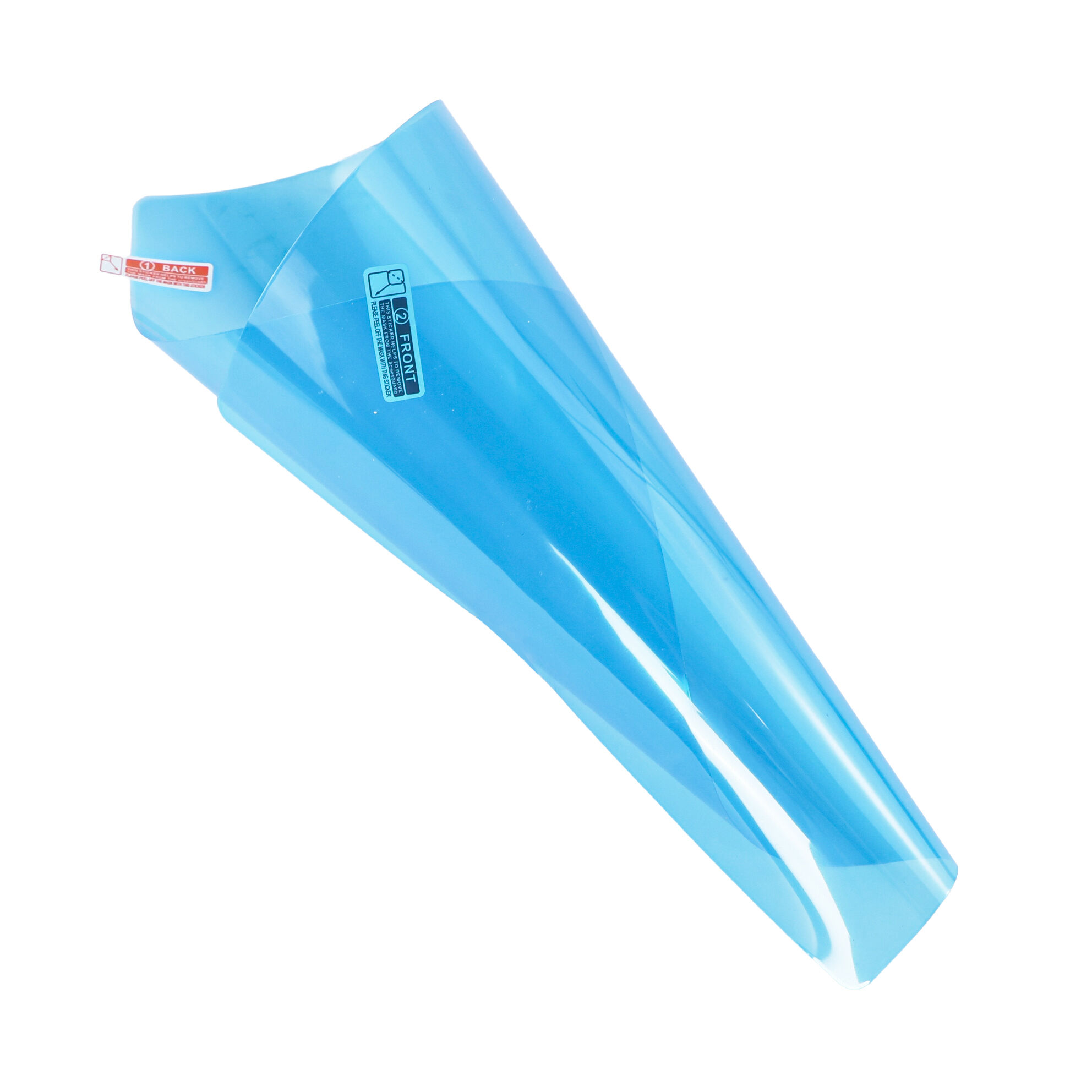
The protective film industry has witnessed significant advancements in recent years, with 9H nano shock film emerging as one of the most discussed solutions for screen protection. However, numerous misconceptions surround this innovative technology, leading many consumers and businesses to make uninformed decisions. These myths often stem from incomplete information, marketing exaggerations, or confusion with other protective materials. Understanding the reality behind 9H nano shock film technology is crucial for making educated purchasing decisions, whether for personal devices or industrial applications. The proliferation of misinformation has created a landscape where separating fact from fiction becomes increasingly challenging, making it essential to address these misconceptions head-on.
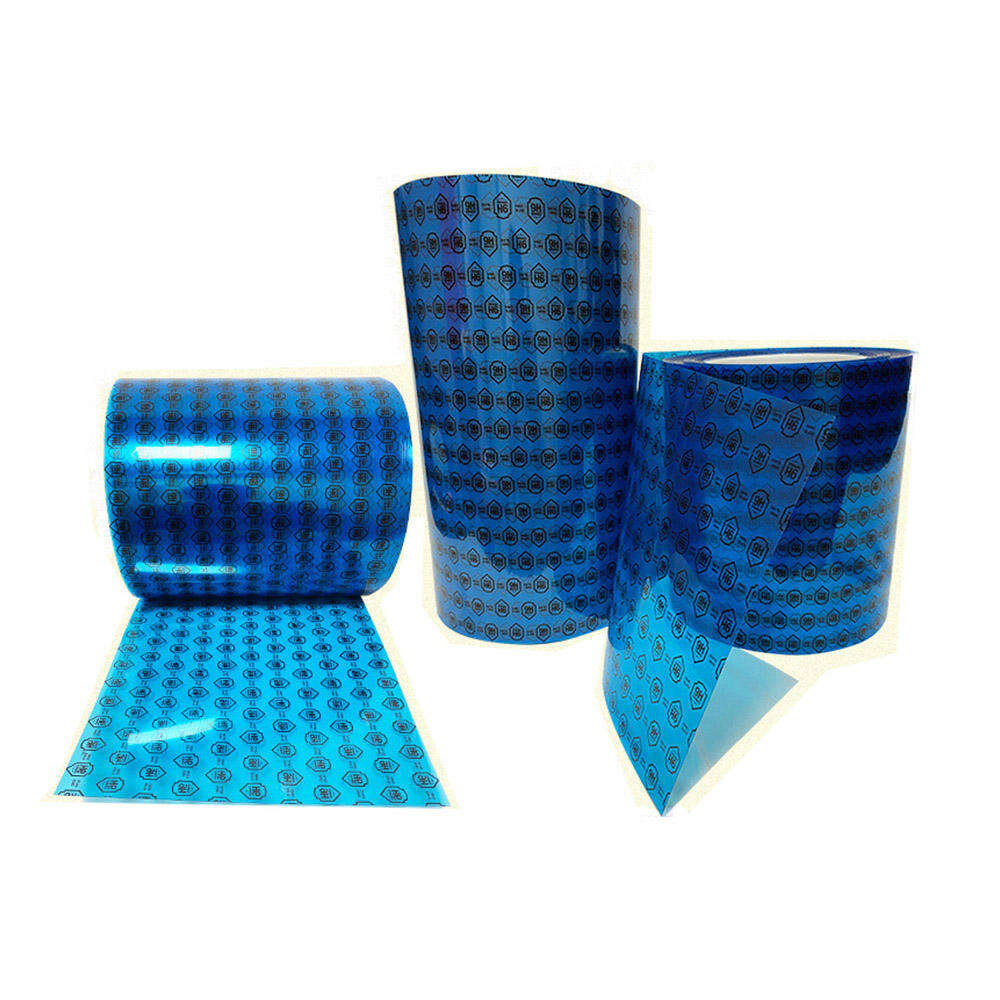
Understanding the Fundamentals of 9H Nano Technology
The Science Behind Hardness Ratings
One of the most prevalent myths surrounding 9H nano shock film involves the misunderstanding of hardness ratings and their practical implications. The 9H rating refers to pencil hardness testing, where the film can resist scratching from a 9H pencil, representing the hardest grade in the standard pencil scale. This measurement system, however, should not be confused with the Mohs hardness scale used for minerals and gemstones. Many consumers incorrectly assume that 9H nano shock film possesses the same hardness as tempered glass, leading to unrealistic expectations about its protective capabilities. The pencil hardness test specifically measures resistance to surface scratching under controlled conditions, not impact resistance or overall durability against various types of damage.
The nano-coating technology integrated into these films represents a significant advancement in surface treatment methods. This coating creates microscopic layers that enhance the film's properties without significantly increasing thickness or weight. The nanotechnology aspect involves particles and structures measured in nanometers, allowing for precise control over surface characteristics while maintaining transparency and flexibility. Understanding this fundamental science helps dispel myths about miraculous properties that some manufacturers claim their 9H nano shock film possesses beyond its actual capabilities.
Material Composition and Manufacturing Process
Another common misconception involves the belief that all 9H nano shock film products are manufactured using identical processes and materials. The reality is considerably more complex, with various manufacturers employing different base materials, coating techniques, and quality control measures. Some films utilize polyethylene terephthalate as the base substrate, while others may incorporate thermoplastic polyurethane or specialized polymer blends. The nano-coating application methods also vary significantly, from vacuum deposition techniques to solution-based coating processes, each offering distinct advantages and limitations.
The manufacturing quality directly impacts the final product's performance characteristics, including adhesion strength, optical clarity, and long-term durability. High-quality 9H nano shock film undergoes rigorous testing protocols to ensure consistent performance across different environmental conditions and usage scenarios. However, lower-grade products may exhibit significant variations in protective capabilities, leading to consumer dissatisfaction and reinforcing negative myths about the technology's effectiveness.
Debunking Performance and Durability Myths
Shock Absorption Capabilities
A widespread myth suggests that 9H nano shock film can provide the same level of impact protection as thick tempered glass screen protectors. This misconception stems from marketing materials that emphasize shock absorption without clearly explaining the mechanisms involved. The shock-absorbing properties of these films primarily result from their flexibility and ability to distribute impact forces across a wider area, rather than simply blocking or deflecting impacts like rigid materials. The film's thinness, typically measuring between 0.1 to 0.3 millimeters, inherently limits its capacity to absorb high-energy impacts compared to thicker protective solutions.
Professional testing reveals that 9H nano shock film excels in protecting against everyday hazards such as keys, coins, and minor drops, but may not prevent damage from severe impacts or sharp objects applied with significant force. The technology's strength lies in its ability to maintain screen functionality while providing a reasonable level of protection against common sources of damage encountered in typical usage scenarios.
Longevity and Maintenance Requirements
Many consumers believe that 9H nano shock film requires no maintenance and will maintain its protective properties indefinitely once applied. This myth can lead to disappointment when films begin showing signs of wear or reduced effectiveness over time. Like all protective materials, these films are subject to gradual degradation from ultraviolet radiation, repeated cleaning, and normal wear patterns. The nano-coating may experience microscopic changes that affect its hydrophobic properties, scratch resistance, or optical clarity over extended periods.
Proper maintenance significantly extends the functional lifespan of 9H nano shock film installations. Regular cleaning with appropriate solutions, avoiding abrasive cleaning materials, and periodic inspection for signs of lifting or damage help maintain optimal performance. Understanding these maintenance requirements allows users to maximize their investment while setting realistic expectations for product longevity under various usage conditions.
Installation and Application Misconceptions
Professional versus DIY Installation
A persistent myth maintains that 9H nano shock film installation is so straightforward that professional application is unnecessary. While some products are designed for consumer application, achieving optimal results often requires specific techniques, tools, and environmental conditions that may not be readily available to average users. Improper installation can result in bubble formation, uneven adhesion, reduced protective effectiveness, or premature film failure. Professional installers possess specialized squeegees, cleaning solutions, and dust-free environments that significantly improve installation outcomes.
The complexity of 9H nano shock film installation varies considerably depending on the device type, film characteristics, and desired coverage area. Curved surfaces, complex geometries, and precision cutting requirements may exceed typical DIY capabilities, making professional installation a worthwhile investment. Additionally, many manufacturers offer warranty coverage only when their products are installed by certified professionals, providing additional protection for the consumer's investment.
Compatibility and Adhesion Properties
Another widespread misconception involves universal compatibility claims, suggesting that 9H nano shock film can be successfully applied to any surface without consideration of substrate materials or surface treatments. Different screen technologies, including various types of glass, plastic, and composite materials, may require specific adhesive formulations or surface preparation techniques for optimal bonding. Some surfaces may have oleophobic coatings or other treatments that interfere with film adhesion, leading to poor performance or premature failure.
The adhesive technology used in quality 9H nano shock film products is specifically engineered to provide strong initial bonding while allowing for clean removal without residue. However, this balance requires careful formulation that considers factors such as surface energy, texture, and chemical compatibility. Understanding these technical requirements helps explain why generic films may not perform as expected on all devices, dispelling the myth of universal applicability.
Cost and Value Perception Myths
Price versus Quality Relationships
Many consumers operate under the assumption that all 9H nano shock film products offer similar value propositions, leading to purchasing decisions based primarily on price rather than performance characteristics. This myth has been perpetuated by the proliferation of low-cost alternatives that may carry similar designations but utilize inferior materials or manufacturing processes. Premium 9H nano shock film products typically incorporate advanced materials, undergo extensive quality testing, and provide better long-term performance, justifying higher initial costs through extended service life and superior protection.
The total cost of ownership for 9H nano shock film extends beyond the initial purchase price to include factors such as installation costs, replacement frequency, and potential savings from prevented damage. High-quality films may require less frequent replacement, provide better protection against costly screen repairs, and maintain their appearance longer than budget alternatives. Understanding these economic factors helps consumers make more informed decisions rather than focusing solely on upfront costs.
Return on Investment Considerations
A common myth suggests that 9H nano shock film provides guaranteed protection against all types of screen damage, leading to unrealistic expectations about potential cost savings. While these films significantly reduce the likelihood of certain types of damage, they cannot eliminate all risks associated with device usage. The return on investment depends on individual usage patterns, environmental conditions, and the specific protective requirements of each application.
Calculating the true value of 9H nano shock film requires consideration of both prevented damage and enhanced device usability. Films that maintain screen clarity, reduce fingerprint visibility, and provide anti-glare properties offer benefits beyond basic protection. These additional features contribute to improved user experience and may extend device usable life by maintaining optimal screen performance over time.
Environmental and Health Safety Myths
Chemical Safety and Environmental Impact
Concerns about chemical safety and environmental impact have generated several myths about 9H nano shock film products. Some consumers worry that nano-coatings may pose health risks through particle inhalation or skin contact during normal use. However, properly manufactured films encapsulate nanoparticles within the coating matrix, preventing their release during normal handling and use. Reputable manufacturers conduct extensive safety testing to ensure their products meet relevant health and safety standards for consumer electronics applications.
Environmental considerations surrounding 9H nano shock film production and disposal vary significantly among manufacturers and product types. Some films utilize recyclable base materials and environmentally friendly coating processes, while others may incorporate less sustainable components. The overall environmental impact must be evaluated considering factors such as product lifespan, replacement frequency, and end-of-life disposal options compared to alternative protection methods.
Regulatory Compliance and Standards
Misconceptions about regulatory oversight have led some consumers to believe that all 9H nano shock film products undergo identical testing and certification processes. The reality involves varying regulatory requirements across different markets and applications, with some products subject to more stringent testing than others. Understanding relevant standards and certifications helps consumers identify products that meet appropriate safety and performance requirements for their specific applications.
International standards organizations have developed testing protocols specifically for protective films, including methods for evaluating optical properties, adhesion strength, and durability characteristics. Products that comply with recognized standards typically provide more reliable performance and safety profiles than those lacking proper certification. Consumers should look for evidence of compliance with relevant standards when evaluating different 9H nano shock film options.
FAQ
Does 9H nano shock film really provide the same protection as tempered glass
No, 9H nano shock film does not provide identical protection to tempered glass screen protectors. While both offer 9H pencil hardness ratings, they protect through different mechanisms. Nano shock films excel at scratch resistance and impact distribution due to their flexibility, while tempered glass provides superior protection against high-impact forces but may shatter under extreme conditions. The choice depends on your specific protection needs and device usage patterns.
Can I install 9H nano shock film myself or do I need professional help
While some 9H nano shock film products are designed for consumer installation, professional application often yields better results, especially for complex device geometries or premium films. DIY installation can be successful with proper preparation, appropriate tools, and careful technique. However, professional installers have specialized equipment and experience that minimize common issues like bubble formation and ensure optimal adhesion for maximum protection.
How long does 9H nano shock film typically last before replacement
The lifespan of 9H nano shock film varies based on usage patterns, environmental conditions, and product quality, typically ranging from six months to two years. High-quality films with proper installation and maintenance generally last longer than budget alternatives. Signs that replacement may be needed include reduced clarity, lifting edges, visible scratches, or diminished hydrophobic properties. Regular inspection helps determine optimal replacement timing.
Are there any health concerns associated with 9H nano shock film
Properly manufactured 9H nano shock film poses minimal health risks during normal use, as nanoparticles are encapsulated within the coating matrix and not released during handling. Reputable manufacturers conduct safety testing to ensure compliance with health standards. However, consumers should purchase from established manufacturers who provide safety documentation and avoid products lacking proper certification or unclear ingredient disclosure.

