
 EN
EN
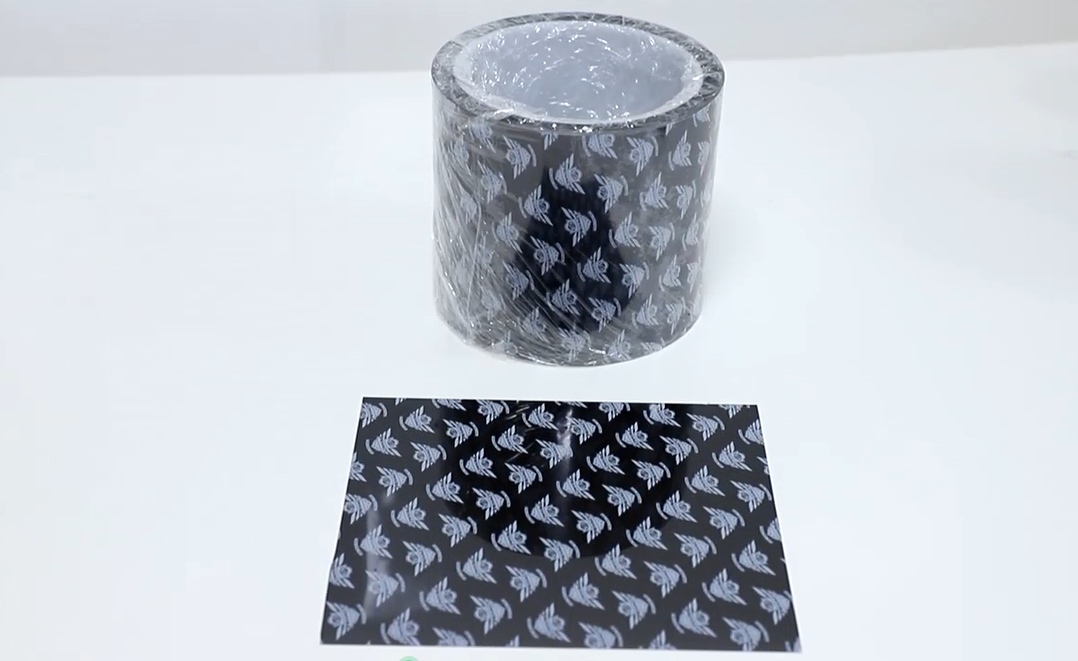
Modern device protection has evolved significantly with the introduction of advanced materials like 9H nano PET film. This innovative protective solution offers superior scratch resistance and durability compared to traditional screen protectors. As consumers increasingly rely on expensive electronic devices, understanding the protective capabilities of 9H nano PET film becomes crucial for making informed purchasing decisions. The technology behind this material combines nanoscale engineering with premium polyethylene terephthalate substrates to deliver exceptional protection against daily wear and tear.
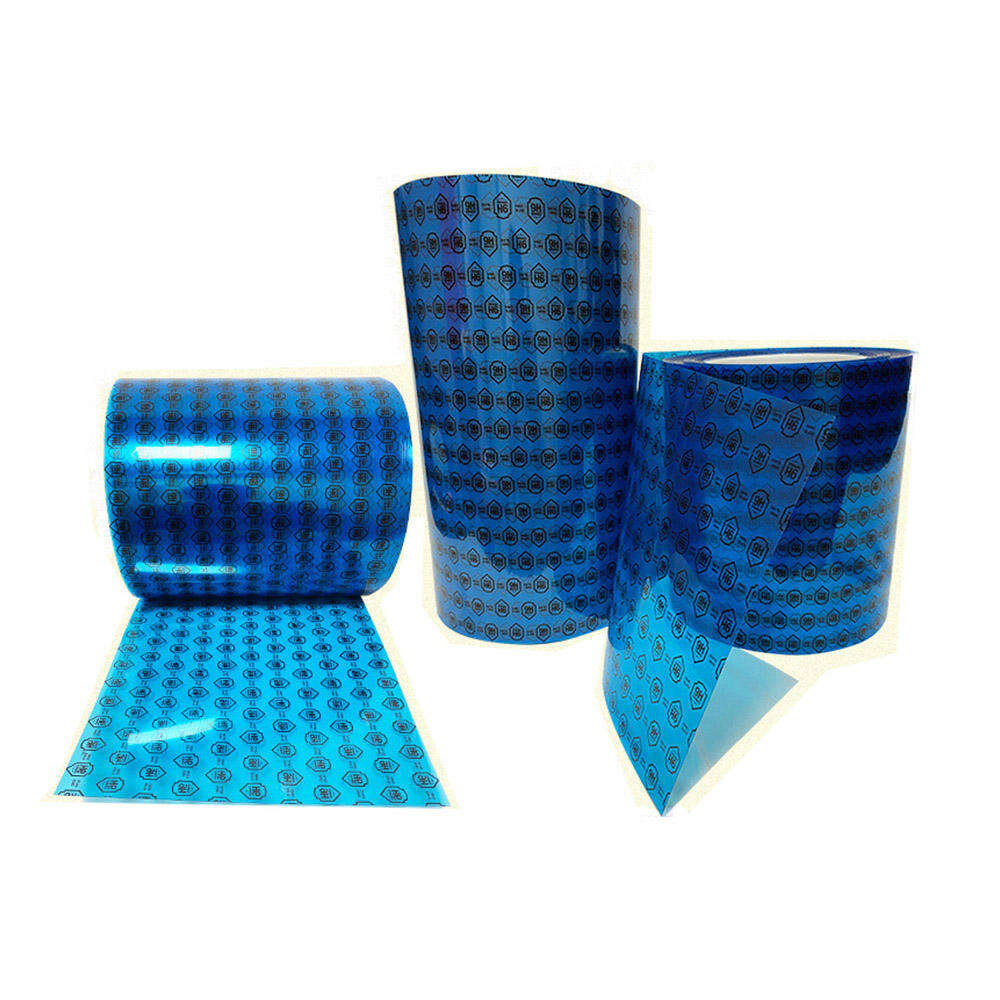
Understanding the Science Behind 9H Nano PET Film Technology
Composition and Manufacturing Process
The development of 9H nano PET film involves sophisticated manufacturing techniques that integrate nanoscale particles into a polyethylene terephthalate matrix. This process creates a multi-layered structure where each layer serves a specific protective function. The base PET substrate provides flexibility and optical clarity, while the nano-enhanced surface coating delivers the remarkable hardness rating of 9H on the Mohs scale. Manufacturers utilize precision coating equipment to ensure uniform distribution of nanoparticles across the entire film surface.
Quality control measures during production include thickness monitoring, adhesion testing, and optical transmission verification. The manufacturing environment must maintain strict cleanliness standards to prevent contamination that could compromise the film's protective properties. Advanced curing processes using ultraviolet light or thermal treatment help bond the nano coating permanently to the PET substrate, creating a durable protective barrier.
Molecular Structure and Hardness Properties
At the molecular level, 9H nano PET film exhibits a crystalline structure that contributes to its exceptional hardness characteristics. The nanoparticles embedded within the coating create a network of reinforcement points that distribute stress across the film surface. This distribution mechanism prevents localized damage from sharp objects or impact forces that would typically cause scratches or cracks in conventional materials.
The 9H hardness rating indicates that the film can resist scratching from materials up to level 9 on the Mohs hardness scale, which includes most everyday objects like keys, coins, and sand particles. This level of protection surpasses traditional plastic films and approaches the hardness of tempered glass while maintaining the flexibility advantages of polymer materials.
Scratch Resistance Performance in Real-World Applications
Laboratory Testing Standards and Results
Comprehensive laboratory testing reveals the superior scratch resistance capabilities of 9H nano PET film compared to alternative protective materials. Standard testing protocols include the use of calibrated pencils, steel wool abrasion tests, and controlled impact assessments. These evaluations demonstrate that 9H nano PET film maintains its optical clarity and surface integrity even after thousands of test cycles.
Comparative studies show that devices protected with 9H nano PET film experience significantly fewer visible scratches during normal use scenarios. The film's ability to self-heal minor surface marks through thermal activation further enhances its long-term performance. Research data indicates that properly applied 9H nano PET film can extend device screen lifespan by up to 300 percent compared to unprotected surfaces.
Field Performance and User Experience
Real-world applications of 9H nano PET film demonstrate consistent performance across various environmental conditions and usage patterns. Users report minimal visible wear after months of regular use, including exposure to pocket contents, bag storage, and desktop surfaces. The film's resistance to fingerprint accumulation and ease of cleaning contribute to maintained visual clarity throughout its service life.
Professional installers note that the advanced adhesive properties of 9H nano PET film allow for precise application without air bubbles or edge lifting. The material's conformability enables coverage of curved surfaces and complex geometries while maintaining uniform protection across the entire protected area. User satisfaction surveys consistently rate 9H nano PET film highly for both protective performance and aesthetic preservation.
Impact Resistance and Shock Absorption Properties
Energy Dissipation Mechanisms
The multi-layered construction of 9H nano PET film provides excellent impact resistance through sophisticated energy dissipation mechanisms. When subjected to sudden impacts or drops, the film's elastic properties allow it to absorb and redistribute kinetic energy across its surface area. This distribution prevents concentrated stress points that could lead to screen cracking or component damage in the protected device.
Laboratory drop tests demonstrate that devices equipped with 9H nano PET film show significantly reduced damage rates compared to unprotected units. The film's ability to maintain structural integrity during impact events while preserving touch sensitivity and display quality makes it an ideal choice for high-value electronic equipment. Advanced polymer chemistry enables the material to recover its original shape after deformation, ensuring continued protection after impact events.
Edge Protection and Corner Coverage
Strategic application of 9H nano PET film includes comprehensive edge protection that addresses vulnerable corner areas where impact damage typically initiates. The film's flexibility allows for wraparound coverage that protects device edges without interfering with ports, buttons, or charging connections. This complete coverage approach significantly reduces the risk of damage propagation from edge impacts.
Engineering analysis shows that corner impacts generate the highest stress concentrations in mobile devices and electronic equipment. The enhanced thickness and reinforcement provided by properly installed 9H nano PET film creates a protective barrier that absorbs impact energy before it can reach the underlying display or housing components. This comprehensive protection approach has proven effective in reducing warranty claims and repair costs for device manufacturers and users.
Optical Clarity and Visual Performance
Light Transmission and Color Accuracy
Advanced optical engineering ensures that 9H nano PET film maintains exceptional light transmission properties while providing superior protection. The material achieves over 95 percent optical clarity, which preserves the original color accuracy and brightness of protected displays. Specialized anti-reflective coatings integrated into the film structure reduce glare and improve visibility in bright lighting conditions.
Color temperature measurements confirm that 9H nano PET film introduces minimal color shift or distortion to protected displays. Professional photographers and graphic designers appreciate the film's ability to maintain color accuracy for critical visual work. The material's stable optical properties ensure consistent performance throughout its service life, without yellowing or haziness that can affect cheaper alternatives.
Touch Sensitivity and Response Time
The thin profile and optimized surface properties of 9H nano PET film preserve the original touch sensitivity and response characteristics of capacitive touchscreens. Advanced surface treatments ensure smooth finger tracking and accurate gesture recognition without the sluggish response often associated with thicker protective materials. Gaming applications and precision drawing tasks perform seamlessly through the protective film.
Multi-touch capability remains fully functional with 9H nano PET film installation, supporting complex gestures and simultaneous input points. The film's electrostatic properties are carefully engineered to maintain proper capacitive coupling between fingers and the underlying touch sensors. This optimization ensures that protected devices retain their full interactive capabilities while benefiting from enhanced protection.
Installation Techniques and Best Practices
Surface Preparation Requirements
Successful installation of 9H nano PET film requires meticulous surface preparation to ensure optimal adhesion and performance. The cleaning process involves multiple stages using specialized solutions to remove oils, fingerprints, and microscopic debris that could interfere with proper bonding. Professional installation environments maintain controlled humidity and temperature conditions to prevent contamination during application.
Surface inspection using high-intensity lighting reveals any remaining contaminants or imperfections that must be addressed before film application. The use of lint-free cloths and anti-static solutions ensures that the prepared surface remains pristine throughout the installation process. Proper surface preparation directly impacts the long-term performance and durability of the 9H nano PET film protection system.
Application Methods and Quality Control
Professional application of 9H nano PET film utilizes specialized tools and techniques to achieve bubble-free installation with perfect edge alignment. The process begins with precise positioning using alignment guides that ensure accurate placement relative to device features and openings. Controlled pressure application using specialized squeegees removes air pockets while activating the adhesive system.
Quality control checks during installation include verification of edge adhesion, absence of air bubbles, and proper coverage of vulnerable areas. Post-installation curing processes may involve heat activation or pressure cycling to optimize the bond strength between the 9H nano PET film and the protected surface. Professional installers document installation parameters to ensure consistent results and warranty compliance.
Maintenance and Longevity Considerations
Cleaning Protocols and Care Instructions
Proper maintenance of 9H nano PET film involves following specific cleaning protocols that preserve the material's protective properties and optical clarity. Recommended cleaning solutions include alcohol-based formulations that remove contaminants without damaging the nano-enhanced surface coating. Microfiber cloths provide effective cleaning action while preventing scratches that could compromise the film's appearance.
Regular cleaning schedules help maintain the self-cleaning properties of 9H nano PET film by preventing the accumulation of oils and debris that can mask these beneficial characteristics. Avoid abrasive cleaners or rough cleaning materials that could damage the surface structure. The film's resistance to common cleaning chemicals ensures compatibility with most commercial device cleaning products.
Expected Lifespan and Replacement Indicators
Under normal usage conditions, 9H nano PET film typically provides effective protection for 12 to 24 months before replacement becomes advisable. Factors affecting lifespan include usage intensity, environmental exposure, and maintenance frequency. Visual indicators for replacement include reduced optical clarity, edge lifting, or the appearance of permanent scratches that cannot be resolved through cleaning.
Performance degradation typically occurs gradually, allowing users to plan replacement timing based on their protection requirements and aesthetic preferences. The cost-effectiveness of 9H nano PET film replacement compared to device repair makes regular renewal an economical choice for valuable electronic equipment. Proper removal techniques ensure that old film can be replaced without leaving residue or damage to the underlying surface.
FAQ
How does 9H nano PET film compare to tempered glass screen protectors?
9H nano PET film offers several advantages over tempered glass protectors, including superior flexibility, reduced thickness, and elimination of shatter risk. While both materials provide excellent scratch resistance, the PET film's ability to conform to curved surfaces and its lighter weight make it ideal for complex device geometries. The optical clarity and touch sensitivity of 9H nano PET film often exceed those of glass alternatives while providing comparable protection levels.
Can 9H nano PET film be removed and reapplied if necessary?
Yes, 9H nano PET film can be carefully removed using proper techniques that involve gradual peeling and adhesive removal solutions. However, once removed, the film cannot be reapplied effectively due to contamination of the adhesive surface. The removal process should be performed slowly to prevent damage to the underlying device surface, and complete adhesive cleanup is essential before installing new protection.
Does 9H nano PET film interfere with wireless charging or device sensors?
Properly designed 9H nano PET film maintains compatibility with wireless charging systems and device sensors including proximity detectors, ambient light sensors, and fingerprint readers. The material's electrical properties are optimized to allow electromagnetic field transmission while providing physical protection. Some applications may require precise cutouts or specialized formulations to ensure full functionality of integrated device features.
What environmental conditions can affect 9H nano PET film performance?
9H nano PET film demonstrates excellent stability across typical operating temperature ranges from -20°C to 60°C without performance degradation. Extended exposure to extreme heat, direct sunlight, or harsh chemicals may gradually affect the material properties. The film's resistance to humidity and moisture makes it suitable for outdoor applications, though prolonged submersion should be avoided to maintain optimal adhesive performance and longevity.

