
 EN
EN
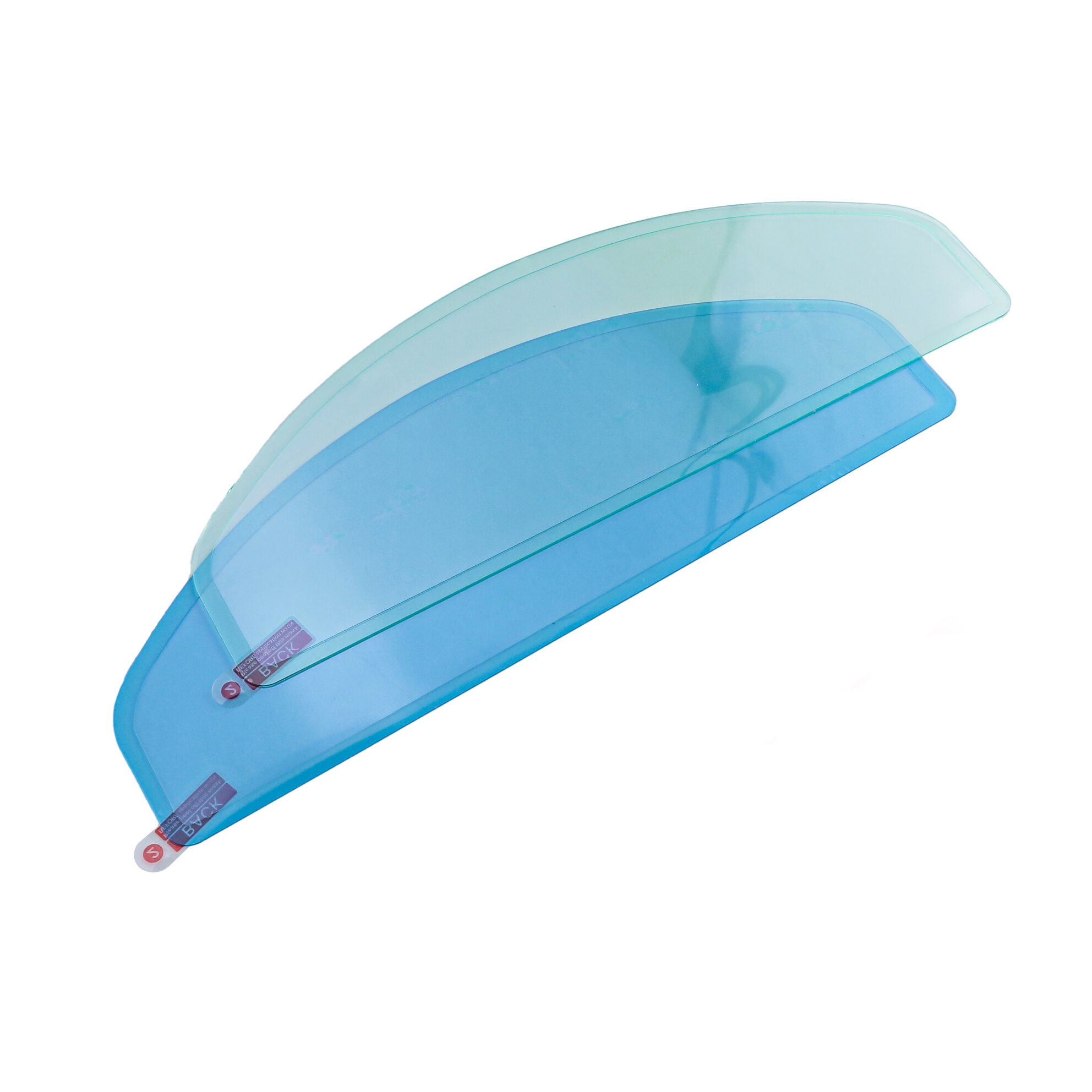
Thermoplastic polyurethane (TPU) has emerged as one of the most versatile materials in modern manufacturing, offering a unique combination of flexibility, durability, and chemical resistance that makes it indispensable across numerous industries. TPU represents a revolutionary polymer that bridges the gap between rigid plastics and conventional rubbers, delivering exceptional performance characteristics that traditional materials simply cannot match. As manufacturers increasingly demand materials that can withstand harsh environments while maintaining their structural integrity, TPU has become the go-to solution for applications ranging from automotive components to medical devices. The growing popularity of TPU stems from its remarkable ability to be processed using standard thermoplastic equipment while exhibiting elastomeric properties, making it both cost-effective and highly functional in diverse industrial applications.
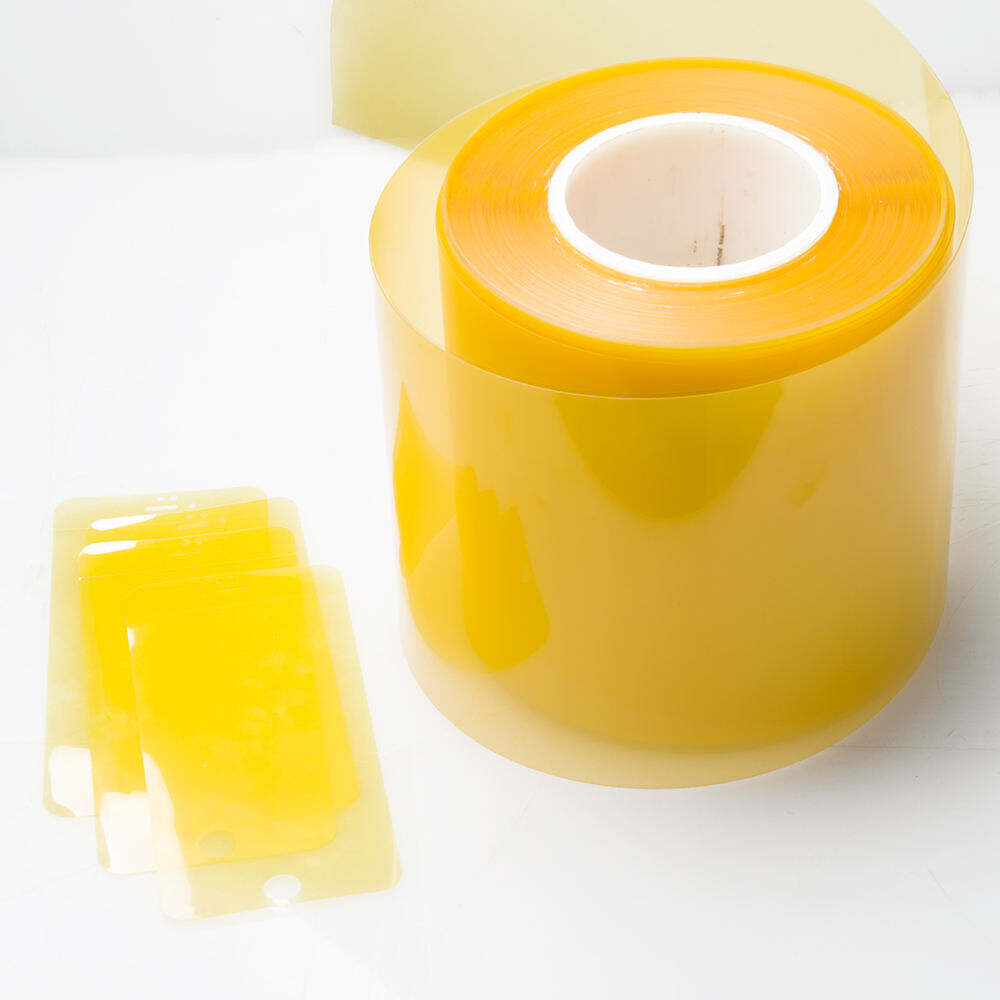
Automotive Industry Applications
Interior Components and Safety Systems
The automotive sector represents one of the largest consumer markets for TPU, where this material serves critical functions in both safety and comfort applications. Automotive manufacturers rely on TPU for producing airbag covers, dashboard components, and interior trim pieces that require both flexibility and resistance to temperature extremes. The material's excellent abrasion resistance makes it ideal for high-wear applications such as gear shift boots, steering wheel covers, and seat cushions that must maintain their appearance and functionality over extended periods. TPU also plays a crucial role in automotive safety systems, where its impact resistance and energy absorption properties help protect passengers during collisions while maintaining structural integrity under normal operating conditions.
Modern vehicles incorporate TPU in various sealing applications, including door seals, window gaskets, and weatherstripping components that must maintain their elasticity across wide temperature ranges. The material's resistance to oils, fuels, and cleaning chemicals makes it particularly valuable in automotive applications where exposure to various automotive fluids is inevitable. Additionally, TPU's processing versatility allows manufacturers to create complex geometries and multi-durometer components that would be difficult or impossible to achieve with traditional rubber materials, enabling innovative design solutions that improve both vehicle performance and passenger comfort.
External Components and Performance Parts
Exterior automotive applications for TPU have expanded significantly as manufacturers seek materials that can withstand harsh environmental conditions while maintaining their appearance and functionality. Body panel protection films, paint protection coatings, and anti-stone chip materials frequently utilize TPU formulations that offer superior clarity, self-healing properties, and resistance to UV degradation. These applications demonstrate TPU's ability to provide long-term protection while remaining virtually invisible, preserving the aesthetic appeal of vehicle surfaces while extending their service life.
Performance automotive applications increasingly rely on TPU for components such as suspension bushings, vibration dampeners, and flexible couplings that must withstand extreme mechanical stresses while maintaining their elastomeric properties. The material's excellent fatigue resistance and ability to maintain consistent performance across temperature extremes make it ideal for racing applications and high-performance vehicles where component failure is not an option. TPU also finds application in automotive hoses, particularly those exposed to aggressive chemicals or extreme temperatures, where traditional rubber materials may degrade or lose their flexibility over time.
Consumer Electronics and Device Protection
Mobile Device Protection Solutions
The consumer electronics industry has embraced TPU as a primary material for device protection, particularly in the rapidly growing smartphone and tablet markets. TPU screen protectors and device cases offer superior impact protection while maintaining optical clarity and touch sensitivity, essential features for modern touchscreen devices. The material's self-healing properties allow minor scratches to disappear over time, maintaining the pristine appearance of protective films even after extended use. TPU's flexibility enables the creation of form-fitting cases that provide comprehensive protection without adding excessive bulk to sleek device designs.
Manufacturing processes for TPU protective films have advanced significantly, allowing for the production of ultra-thin materials that provide excellent protection while remaining virtually undetectable when applied to device screens. These TPU films offer superior clarity compared to traditional plastic alternatives while providing enhanced impact resistance and scratch protection. The material's ability to conform to curved surfaces and complex geometries makes it ideal for protecting modern devices with curved screens and intricate designs, ensuring complete coverage without compromising functionality or aesthetics.
Wearable Technology Integration
Wearable technology represents a growing application area for TPU, where the material's biocompatibility, flexibility, and durability make it ideal for prolonged skin contact applications. Smartwatch bands, fitness tracker straps, and medical monitoring devices frequently incorporate TPU components that must withstand constant flexing, moisture exposure, and skin oils while maintaining their structural integrity. The material's resistance to bacteria and ease of cleaning make it particularly suitable for applications where hygiene is a primary concern.
Advanced TPU formulations designed for wearable applications often incorporate antimicrobial additives and specialized surface treatments that enhance comfort and reduce the risk of skin irritation during extended wear periods. These specialized TPU materials maintain their flexibility and appearance even after repeated exposure to sweat, soap, and other common substances encountered in daily wear applications. The material's processing versatility also enables the integration of electronic components directly into TPU substrates, creating seamless wearable devices that combine functionality with comfort.
Medical and Healthcare Applications
Medical Device Components
The healthcare industry relies heavily on TPU for critical medical device applications where biocompatibility, sterilization resistance, and long-term stability are paramount requirements. Medical tubing, catheters, and surgical instruments frequently incorporate TPU components that must maintain their properties after repeated sterilization cycles while providing reliable performance in demanding clinical environments. The material's excellent chemical resistance ensures compatibility with various medications, disinfectants, and bodily fluids without degradation or leaching of harmful substances.
TPU's versatility in medical applications extends to implantable devices, where specialized biocompatible formulations meet stringent regulatory requirements for long-term biological compatibility. Heart valve components, vascular grafts, and orthopedic implant cushions utilize TPU's unique combination of flexibility and durability to provide long-lasting solutions that improve patient outcomes. The material's ability to be manufactured in various durometer ranges allows medical device designers to tailor mechanical properties to specific application requirements, ensuring optimal performance in diverse clinical scenarios.
Pharmaceutical and Laboratory Equipment
Laboratory and pharmaceutical applications for TPU continue to expand as researchers and manufacturers recognize the material's exceptional chemical resistance and processing versatility. Laboratory tubing, seals, and gaskets made from TPU provide reliable containment for aggressive chemicals and solvents while maintaining their integrity across wide temperature ranges. The material's transparency in certain formulations allows for visual monitoring of processes and fluid levels, essential features in analytical and research applications.
Pharmaceutical manufacturing equipment increasingly incorporates TPU components in applications where traditional materials may be unsuitable due to chemical compatibility issues or regulatory requirements. Clean-in-place systems, sterile transfer components, and single-use manufacturing systems utilize TPU's excellent cleanability and resistance to sanitization chemicals. The material's ability to maintain its properties after gamma sterilization makes it particularly valuable for single-use pharmaceutical and biotechnology applications where sterility assurance is critical.
Industrial and Manufacturing Applications
Machinery Components and Industrial Parts
Industrial manufacturing applications for TPU span numerous sectors where the material's exceptional wear resistance and mechanical properties provide significant advantages over traditional materials. Conveyor belt covers, industrial rollers, and wear strips utilize TPU's outstanding abrasion resistance to extend equipment life and reduce maintenance requirements. The material's ability to maintain its properties under high-load conditions makes it ideal for heavy-duty industrial applications where component failure can result in costly downtime.
TPU's chemical resistance proves invaluable in industrial applications involving exposure to oils, solvents, and aggressive chemicals that would quickly degrade conventional rubber materials. Hydraulic seals, pneumatic components, and chemical processing equipment incorporate TPU elements that provide reliable sealing performance while withstanding harsh operating environments. The material's excellent tear strength and puncture resistance make it suitable for applications involving sharp objects or high-stress conditions where traditional elastomers might fail.
Specialty Manufacturing Processes
Advanced manufacturing techniques have opened new application areas for TPU, particularly in additive manufacturing and 3D printing applications where the material's processability and final properties create unique opportunities. TPU filaments for 3D printing enable the production of flexible, durable parts that would be difficult or impossible to create using traditional manufacturing methods. These applications range from prototyping flexible components to producing end-use parts for specialized applications.
Specialized TPU formulations designed for specific manufacturing processes continue to expand the material's application range in industrial settings. Injection molding grades optimized for complex geometries, extrusion compounds designed for continuous processing, and thermoforming materials that maintain their properties during secondary operations all contribute to TPU's growing importance in modern manufacturing. The material's recyclability also supports sustainable manufacturing practices, allowing for the reuse of production waste and end-of-life products in new applications.
Sports and Recreation Equipment
Athletic Footwear and Apparel
The sports and recreation industry has embraced TPU as a key material for high-performance athletic equipment where durability, flexibility, and comfort are essential requirements. Athletic footwear applications utilize TPU in midsole components, heel counters, and protective overlays that must withstand repeated impact and flexing while maintaining their supportive properties. The material's excellent resistance to moisture and UV degradation makes it ideal for outdoor sports equipment that faces challenging environmental conditions.
TPU's processing versatility enables the creation of complex athletic equipment components with varying properties within a single part, allowing designers to optimize performance for specific applications. Running shoe midsoles can incorporate different TPU formulations in targeted areas to provide cushioning where needed while maintaining stability and support in critical zones. This design flexibility has revolutionized athletic footwear design, enabling the creation of performance-optimized products that enhance athletic performance while reducing injury risk.
Protective Sports Equipment
Protective sports equipment represents another significant application area for TPU, where the material's impact resistance and energy absorption properties provide crucial safety benefits. Helmet liners, shin guards, and protective padding utilize TPU's ability to absorb and distribute impact forces while maintaining their protective properties over extended use periods. The material's resistance to moisture and bacteria growth makes it particularly suitable for equipment that experiences heavy perspiration and frequent cleaning.
Advanced TPU formulations for sports protection applications often incorporate specialized additives to enhance specific performance characteristics such as impact absorption, flexibility, or antimicrobial properties. These specialized materials enable the development of lightweight protective equipment that doesn't compromise mobility while providing superior protection compared to traditional materials. The material's ability to be manufactured in various colors and finishes also allows for attractive protective equipment that athletes willingly wear, improving overall safety compliance in sports applications.
FAQ
What makes TPU superior to traditional rubber materials in industrial applications
TPU offers several advantages over traditional rubber materials, including superior abrasion resistance, excellent chemical compatibility, and the ability to be processed using standard thermoplastic equipment. Unlike thermoset rubbers, TPU can be remelted and reprocessed, making it more environmentally friendly and cost-effective for manufacturing. The material also maintains consistent properties across wide temperature ranges and offers better resistance to oils, fuels, and industrial chemicals commonly encountered in industrial environments.
How does TPU perform in extreme temperature conditions
TPU demonstrates excellent temperature stability, with specialized formulations capable of maintaining their elastomeric properties from -40°F to over 200°F (-40°C to 93°C). The material's performance in extreme temperatures depends on the specific formulation, but properly selected TPU grades maintain their flexibility, strength, and chemical resistance even under challenging thermal conditions. This temperature stability makes TPU suitable for automotive, aerospace, and industrial applications where components experience significant temperature variations.
What are the key considerations when selecting TPU for medical applications
Medical applications require TPU formulations that meet strict biocompatibility requirements, including USP Class VI certification and ISO 10993 testing standards. Key considerations include the intended contact duration with biological tissues, sterilization method compatibility, and specific mechanical property requirements. Medical-grade TPU must also demonstrate stability over the expected service life and compatibility with any medications or biological fluids it may contact during use.
Can TPU be recycled and what are the environmental benefits
TPU is fully recyclable through mechanical recycling processes, where post-consumer and post-industrial waste can be remelted and reformed into new products. This recyclability represents a significant environmental advantage over thermoset materials that cannot be reprocessed. Many TPU manufacturers now offer recycled content formulations and take-back programs to support circular economy initiatives. Additionally, bio-based TPU formulations derived from renewable feedstocks are becoming increasingly available, further reducing the environmental impact of TPU applications.

