
 EN
EN
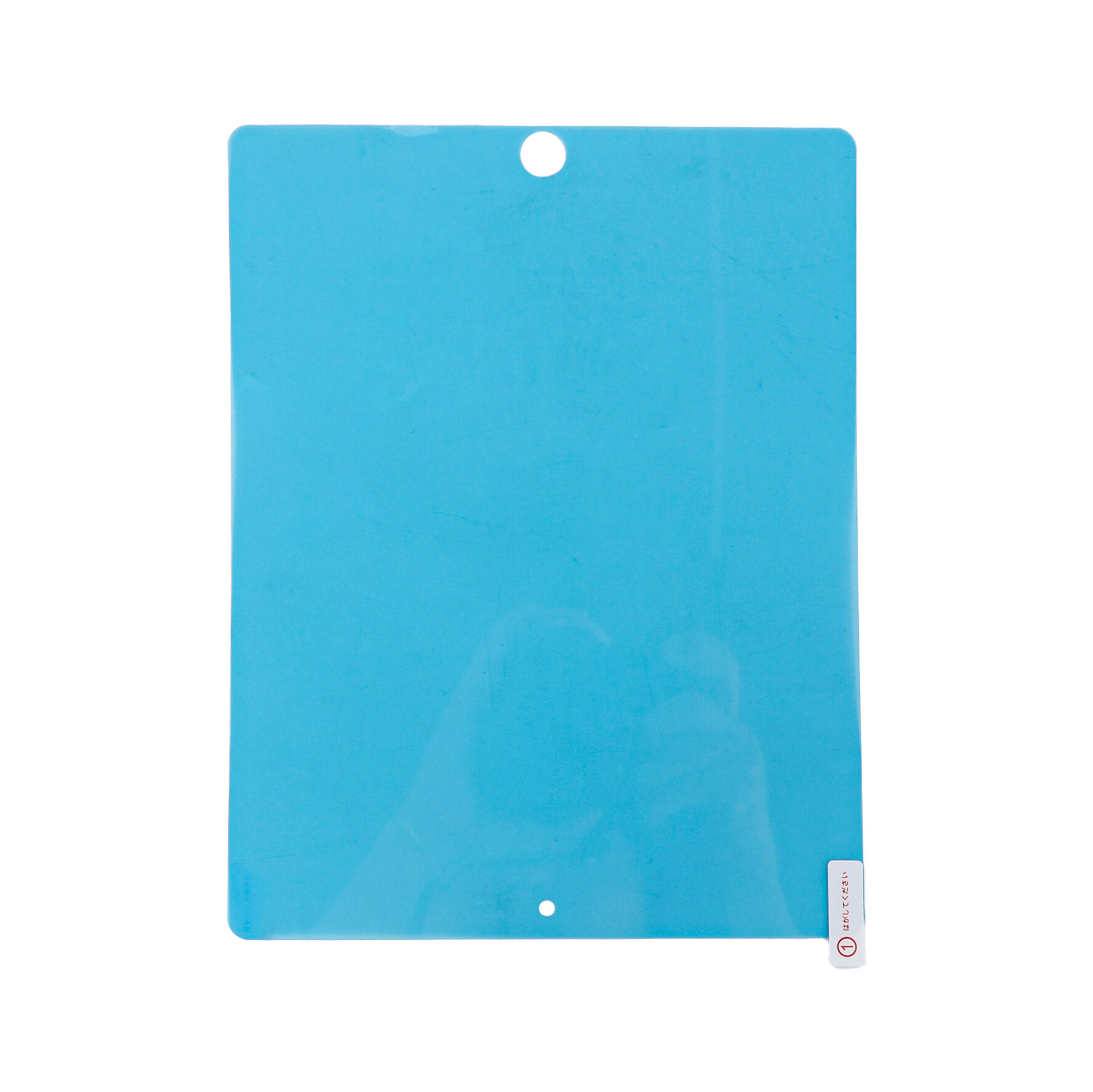
Touch sensitivity remains one of the most critical concerns for users considering screen protection solutions, particularly when evaluating anti shock high clear PET film options. The relationship between protective film thickness, material composition, and touch responsiveness has become increasingly important as devices rely more heavily on precise touch interactions for navigation, gaming, and professional applications.
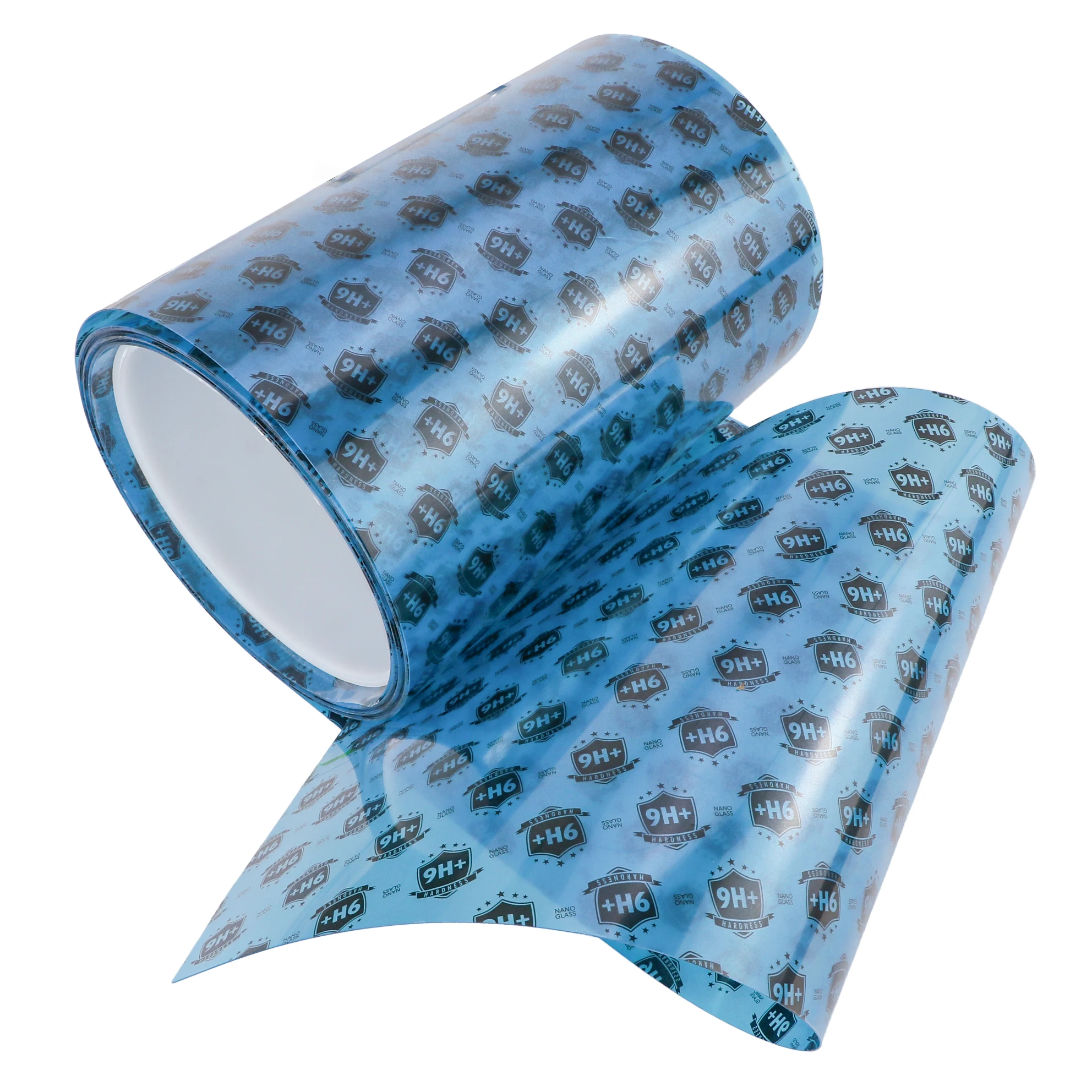
Modern anti shock high clear PET film technology has evolved significantly to address touch sensitivity challenges while maintaining superior protection capabilities. Understanding how these films interact with capacitive touch screens and what factors influence responsiveness helps users make informed decisions about screen protection without compromising device functionality.
Understanding Touch Screen Technology and Film Interaction
Capacitive Touch Screen Fundamentals
Capacitive touch screens operate by detecting electrical conductivity changes when a finger approaches the screen surface. The screen creates an electrostatic field that extends slightly beyond the actual display surface, allowing for touch detection through thin protective layers. When anti shock high clear PET film is applied, this electrostatic field must still effectively reach the user's finger to register touch inputs accurately.
The dielectric properties of PET material play a crucial role in maintaining touch sensitivity. High-quality anti shock high clear PET film is specifically engineered with dielectric constants that allow electrostatic fields to pass through with minimal interference. This engineering consideration ensures that the protective layer does not create a barrier that prevents proper touch detection.
Screen sensitivity calibration also affects how well devices respond to touch through protective films. Most modern devices include sensitivity adjustment settings that can accommodate the slight additional thickness introduced by anti shock high clear PET film, though this adjustment capability varies between device manufacturers and models.
Material Properties Affecting Touch Response
The molecular structure of PET creates specific electrical characteristics that influence touch sensitivity. Unlike some alternative materials, properly formulated anti shock high clear PET film maintains consistent dielectric properties across its surface, preventing dead zones or areas of reduced sensitivity that could affect user experience.
Film thickness represents another critical factor in touch sensitivity performance. Standard anti shock high clear PET film typically measures between 0.1mm to 0.3mm thickness, with thinner variants generally providing better touch sensitivity while thicker options offer enhanced shock absorption. The relationship between protection level and touch responsiveness requires careful balance during film selection.
Surface treatments applied to anti shock high clear PET film can also impact touch sensitivity. Anti-fingerprint coatings, oleophobic treatments, and textured surfaces may slightly alter the electrical interaction between fingers and the underlying touch sensors, though modern formulations minimize these effects through advanced chemistry.
Factors That Influence Touch Sensitivity Performance
Installation Quality and Air Bubbles
Proper installation significantly affects how anti shock high clear PET film performs regarding touch sensitivity. Air bubbles trapped beneath the film create inconsistent thickness areas that can interfere with touch screen functionality. These bubbles act as electrical insulators, creating dead spots where touch inputs may not register properly or require additional pressure to activate.
Dust particles or debris trapped during installation can create similar issues, forming raised areas that alter the distance between fingers and the touch sensors. Professional installation techniques for anti shock high clear PET film emphasize clean room conditions and proper squeegee application to eliminate these sensitivity-affecting imperfections.
Edge lifting or poor adhesion can also compromise touch sensitivity around screen borders. When anti shock high clear PET film begins separating from the screen surface, air gaps form that interrupt the electrical field continuity necessary for consistent touch detection across the entire display area.
Device-Specific Compatibility Considerations
Different device manufacturers implement varying touch sensitivity technologies that respond differently to anti shock high clear PET film application. Some devices feature more sensitive touch sensors designed to accommodate screen protectors, while others may require manual sensitivity adjustments after film installation.
Screen resolution and pixel density can influence how touch sensitivity changes with protective film application. Higher resolution displays often incorporate more sensitive touch detection systems that maintain better performance when anti shock high clear PET film is properly applied, while older or lower-resolution devices may show more noticeable sensitivity changes.
Operating system touch algorithms also play a role in sensitivity performance. Software-based touch processing can compensate for the slight changes introduced by anti shock high clear PET film, with some systems automatically adjusting sensitivity parameters when they detect reduced touch response levels.
Measuring and Testing Touch Sensitivity Impact
Quantitative Assessment Methods
Touch sensitivity testing for anti shock high clear PET film involves measuring response time delays, pressure thresholds, and accuracy levels across different screen areas. Professional testing equipment can detect millisecond-level delays in touch response that might indicate sensitivity reduction, though these delays are often imperceptible during normal usage.
Pressure sensitivity measurements determine whether anti shock high clear PET film requires users to apply additional force for touch registration. Quality films should maintain pressure thresholds within 10% of unprotected screen values, ensuring comfortable usage without requiring adjusted touching patterns.
Multi-touch functionality testing evaluates how anti shock high clear PET film affects gestures requiring multiple simultaneous touch points. Complex gestures like pinch-to-zoom, rotation, and multi-finger scrolling provide comprehensive sensitivity performance indicators that reflect real-world usage scenarios.
Real-World Performance Indicators
User experience testing reveals practical sensitivity impacts that laboratory measurements might miss. Typing accuracy, gaming responsiveness, and drawing precision all serve as indicators of how anti shock high clear PET film affects daily device interaction quality.
Edge sensitivity performance becomes particularly important for navigation gestures and side-menu access. High-quality anti shock high clear PET film maintains consistent sensitivity even near screen edges where touch detection typically becomes more challenging due to sensor positioning.
Long-term sensitivity monitoring helps identify whether anti shock high clear PET film performance degrades over time due to adhesive changes, surface wear, or accumulated contaminants that might affect electrical conductivity between fingers and touch sensors.
Optimization Strategies for Maximum Touch Sensitivity
Selection Criteria for Sensitivity-Optimized Films
Choosing anti shock high clear PET film specifically designed for touch sensitivity preservation requires understanding material specifications beyond basic protection capabilities. Films engineered with optimized dielectric constants, minimal thickness variations, and advanced adhesive formulations provide superior touch responsiveness compared to generic protective options.
Manufacturer specifications should include touch sensitivity retention percentages, which indicate how much of the original screen responsiveness remains after film application. Premium anti shock high clear PET film products typically maintain 95% or higher touch sensitivity retention across all screen areas.
Certification standards for touch compatibility provide additional assurance of sensitivity performance. Films certified for specific device models or touch technologies have undergone compatibility testing that validates their suitability for maintaining optimal user experience.
Installation and Maintenance Best Practices
Professional installation techniques maximize touch sensitivity performance by ensuring perfect adherence and eliminating air gaps that could interfere with electrical field transmission. Clean installation environments, proper surface preparation, and graduated pressure application during anti shock high clear PET film installation prevent sensitivity-compromising imperfections.
Regular cleaning maintains optimal touch sensitivity by removing contaminants that might accumulate on the film surface. Appropriate cleaning solutions and techniques preserve the electrical properties of anti shock high clear PET film while maintaining clear visual transmission and smooth touch interaction.
Periodic sensitivity calibration using device settings helps maintain optimal touch responsiveness as anti shock high clear PET film ages or environmental conditions change. Most devices allow sensitivity adjustments that can compensate for minor changes in touch response characteristics.
FAQ
How much does anti shock high clear PET film reduce touch sensitivity?
High-quality anti shock high clear PET film typically reduces touch sensitivity by less than 5% when properly installed. Most users notice no difference in daily usage, and any sensitivity changes can often be compensated through device touch sensitivity settings. Poor quality films or improper installation may cause more noticeable sensitivity reduction.
Can anti shock high clear PET film cause dead spots on touch screens?
Properly manufactured and installed anti shock high clear PET film should not create dead spots on touch screens. Dead spots typically result from air bubbles, dust particles trapped during installation, or manufacturing defects in the film material. Quality installation techniques and premium film materials prevent these issues.
Do thicker anti shock films affect touch sensitivity more than thinner ones?
Thicker anti shock high clear PET film may slightly reduce touch sensitivity compared to thinner variants, but modern manufacturing techniques minimize this difference. The relationship between thickness and sensitivity depends more on material quality and dielectric properties than absolute thickness measurements. Most users find acceptable sensitivity performance across standard thickness ranges.
Will anti shock high clear PET film affect stylus performance?
Anti shock high clear PET film generally maintains good compatibility with both active and passive styluses. Active styluses that use electromagnetic or Bluetooth connectivity typically show no performance change, while passive styluses may require slightly more pressure depending on film thickness and material properties. Quality films preserve stylus accuracy and responsiveness for professional applications.

