
 EN
EN
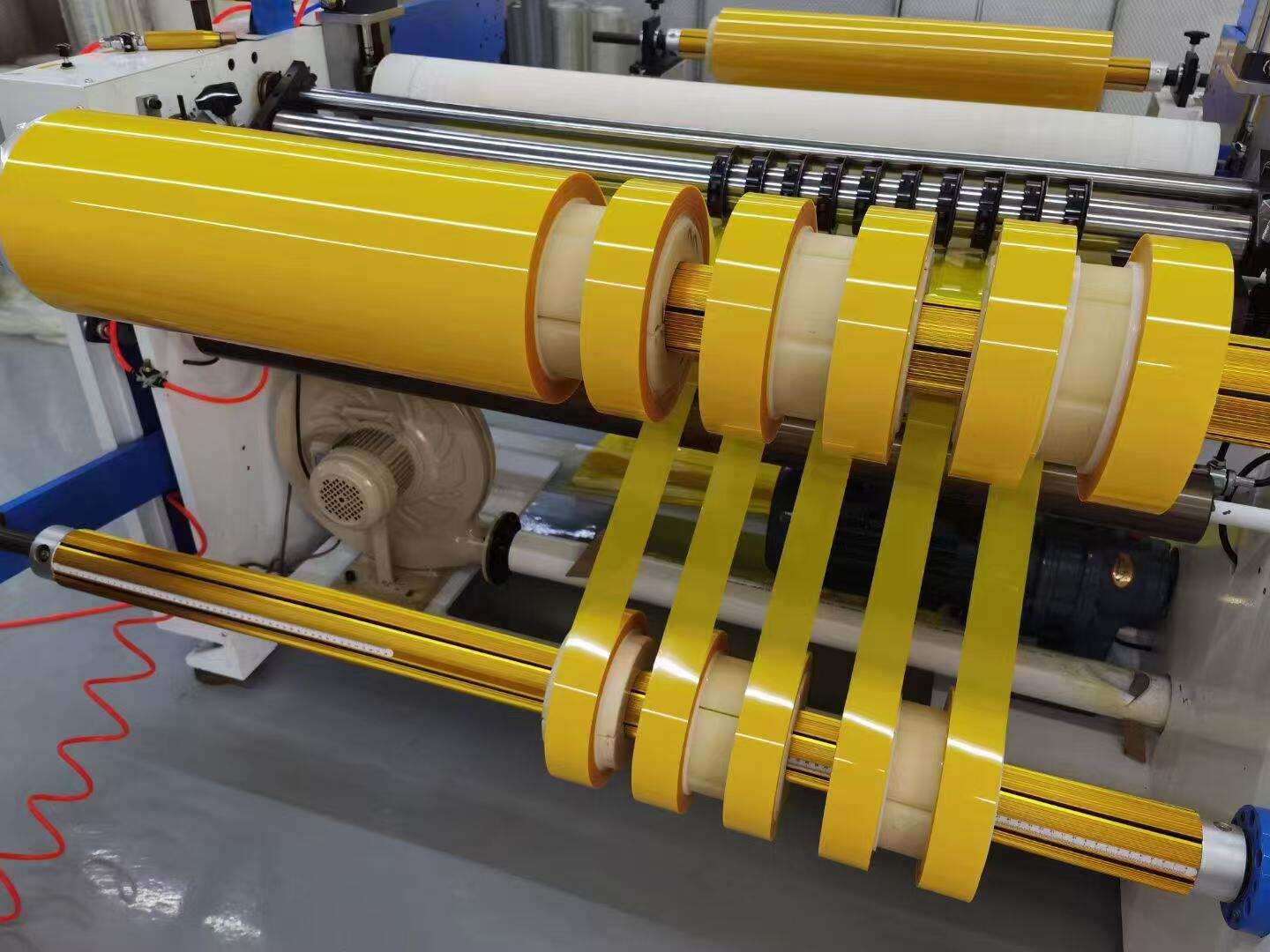
Privacy 9H nano PET film represents a cutting-edge solution in protective screen technology, engineered specifically to withstand physical damage while maintaining optical clarity. The question of whether this advanced material can effectively resist scratches and external damage is crucial for manufacturers, device integrators, and end-users seeking reliable protection for sensitive electronic displays. Understanding the mechanical properties and protective capabilities of 9H nano PET film requires examining its unique molecular structure, hardness rating, and real-world performance characteristics.
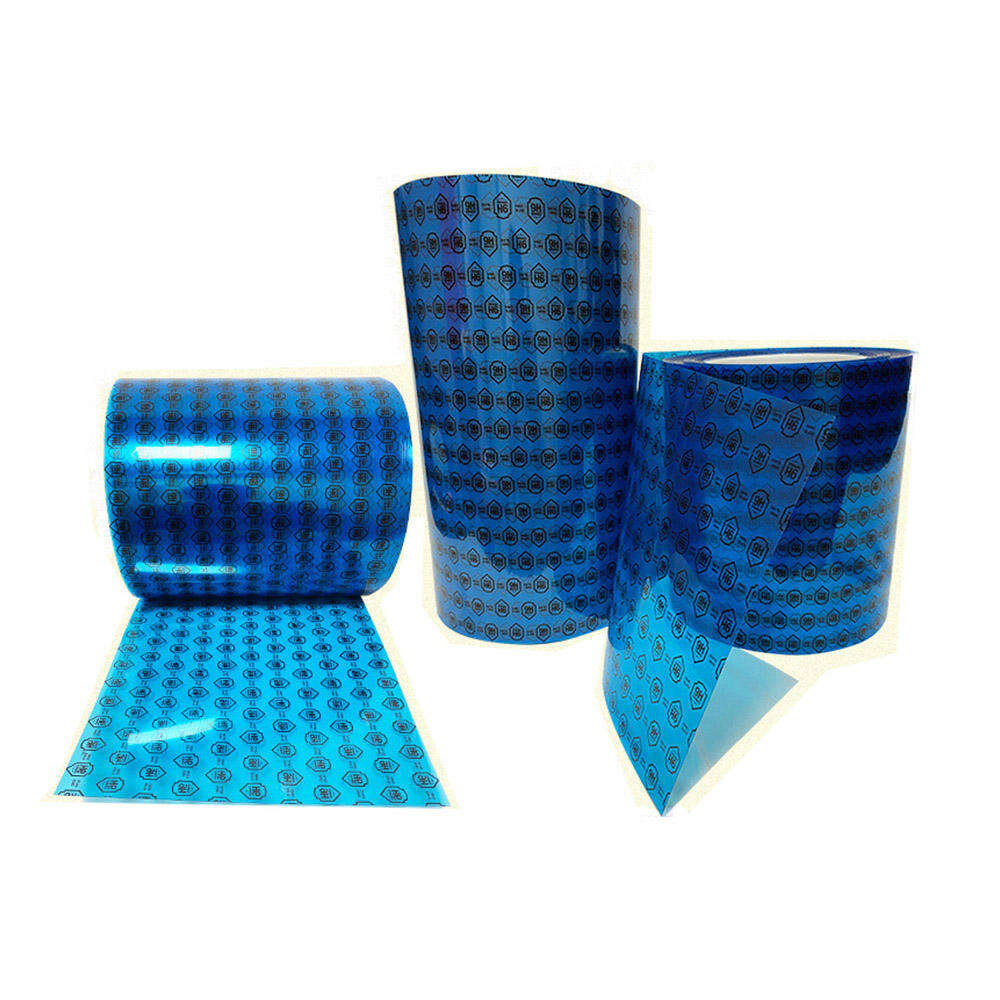
The answer is definitively yes – privacy 9H nano PET film demonstrates exceptional resistance to scratches and external damage through its engineered hardness rating and advanced polymer composition. This protective film achieves its remarkable durability through a combination of nanotechnology enhancement, precise molecular alignment, and specialized coating processes that create a barrier significantly harder than conventional plastic films. The 9H rating indicates pencil hardness equivalent to the hardest graphite pencil, positioning this material among the most scratch-resistant flexible films available for commercial applications.
Understanding the 9H Hardness Rating System
Pencil Hardness Scale Fundamentals
The 9H designation in 9H nano PET film refers to the pencil hardness scale, a standardized measurement system that evaluates material resistance to scratching and indentation. This scale ranges from 9B (softest) through HB to 9H (hardest), with each increment representing a measurable increase in surface hardness. When applied to protective films, the 9H rating indicates that the material can withstand scratching from pencils up to 9H hardness without showing visible damage or surface deformation.
Industrial testing protocols for 9H nano PET film involve controlled scratch tests using calibrated pencils at specific angles and pressures. The film must demonstrate consistent resistance across multiple test points, maintaining surface integrity even when subjected to repeated contact with hard materials. This standardized approach ensures that 9H-rated films meet stringent durability requirements essential for protecting valuable electronic components and display surfaces.
Comparative Hardness Analysis
Standard PET films typically achieve hardness ratings between 2H and 4H, making 9H nano PET film significantly more resistant to physical damage. The enhanced hardness results from nanotechnology integration that modifies the polymer matrix at the molecular level, creating stronger intermolecular bonds and improved crystalline structure. This advancement represents a substantial improvement over conventional protective films used in consumer electronics and industrial applications.
The hardness differential translates directly to practical protection benefits, with 9H nano PET film offering approximately three to four times greater scratch resistance than standard alternatives. This enhanced protection capability makes it suitable for demanding applications where surface integrity is critical, including automotive displays, medical devices, and high-value consumer electronics requiring long-term durability assurance.
Nanotechnology Enhancement Mechanisms
Molecular Structure Modifications
The nanotechnology component in 9H nano PET film involves the integration of nano-scale particles and molecular modifications that fundamentally alter the material's physical properties. These enhancements create a denser, more uniform polymer matrix with improved resistance to mechanical stress, thermal expansion, and chemical degradation. The nano-particles act as reinforcement agents, distributing applied forces across a broader surface area and preventing crack propagation that could compromise film integrity.
Advanced manufacturing processes align polymer chains more effectively, reducing weak points and creating a more homogeneous material structure. This molecular engineering approach results in 9H nano PET film that maintains flexibility while achieving unprecedented hardness levels. The balanced combination of strength and flexibility allows the film to conform to curved surfaces while providing robust protection against impact damage and surface abrasion.
Surface Coating Technologies
Specialized surface coatings applied to 9H nano PET film further enhance its protective capabilities through additional hardness layers and anti-scratch treatments. These coatings typically involve silicate-based compounds or ceramic nano-particles that create an ultra-hard exterior surface while maintaining the underlying film's flexibility and optical properties. The multi-layer approach combines the mechanical advantages of hard surface coatings with the practical benefits of flexible substrate materials.
Modern coating techniques ensure uniform application across the entire film surface, eliminating weak spots or inconsistencies that could compromise protection effectiveness. The coating process is carefully controlled to maintain optical clarity while maximizing scratch resistance, ensuring that 9H nano PET film delivers both protective performance and visual quality required for high-end display applications.
External Damage Resistance Properties
Impact and Shock Protection
Beyond scratch resistance, 9H nano PET film demonstrates exceptional capability against impact damage and shock absorption. The material's engineered flexibility allows it to distribute impact forces across a wider area, reducing the concentration of stress at any single point. This characteristic proves particularly valuable in mobile device applications where drop protection and impact resistance are critical performance requirements.
Laboratory testing reveals that 9H nano PET film can absorb and dissipate impact energy more effectively than rigid protective materials, reducing the likelihood of crack formation or catastrophic failure. The film's ability to deform slightly under extreme stress while returning to its original shape provides superior protection compared to brittle alternatives that may shatter upon impact. This dynamic response capability makes 9H nano PET film ideal for applications requiring both everyday scratch protection and emergency impact resistance.
Environmental Durability Factors
Environmental resistance represents another critical aspect of external damage protection, with 9H nano PET film demonstrating stability against temperature fluctuations, humidity variations, and chemical exposure. The material maintains its protective properties across a wide temperature range, typically from -40°C to +150°C, without experiencing significant degradation or performance loss. This thermal stability ensures consistent protection in diverse operating environments and climate conditions.
Chemical resistance testing shows that 9H nano PET film resists common solvents, cleaning agents, and atmospheric pollutants that could potentially damage conventional protective films. The enhanced molecular structure provides inherent resistance to chemical attack while maintaining surface integrity and optical clarity. This comprehensive environmental protection capability extends the service life of protected devices and reduces maintenance requirements in challenging operating conditions.
Application Performance Validation
Real-World Testing Results
Extensive field testing and laboratory analysis confirm the superior scratch resistance and damage protection capabilities of 9H nano PET film across various application scenarios. Accelerated aging tests simulate years of typical use conditions, demonstrating that the film maintains its protective properties without significant degradation or performance reduction. These validation studies provide quantitative evidence supporting the material's long-term reliability and effectiveness claims.
Comparative testing against alternative protective materials consistently shows 9H nano PET film outperforming standard options in both scratch resistance and overall durability metrics. Independent testing laboratories have verified these performance advantages through standardized protocols that measure surface hardness, impact resistance, and optical quality retention. The documented performance data provides confidence for engineers and designers specifying protective films for critical applications.
Industry-Specific Applications
Different industries leverage the protective capabilities of 9H nano PET film based on their specific damage resistance requirements and operating conditions. Automotive applications utilize the film's scratch resistance for dashboard displays and navigation systems exposed to temperature extremes and physical contact. Medical device manufacturers rely on the material's durability and chemical resistance for touchscreen interfaces requiring frequent cleaning and sterilization procedures.
Consumer electronics applications benefit from the film's ability to maintain optical clarity while providing robust protection against everyday use damage. The material's flexibility allows application to curved surfaces common in modern device designs while delivering consistent protection across the entire surface area. Industrial control systems and outdoor displays particularly value the film's environmental resistance and long-term stability under harsh operating conditions.
Installation and Performance Optimization
Proper Application Techniques
Achieving optimal scratch resistance and damage protection from 9H nano PET film requires proper installation techniques that ensure complete adhesion and eliminate air bubbles or contamination. Surface preparation involves thorough cleaning with appropriate solvents to remove oils, dust, and residual adhesives that could compromise film adhesion. The installation environment should maintain controlled temperature and humidity levels to prevent condensation and ensure proper curing of adhesive systems.
Professional installation tools and techniques maximize the protective effectiveness of 9H nano PET film by ensuring uniform application pressure and proper edge sealing. Squeegee application methods remove trapped air while conforming the film to surface contours and maintaining consistent thickness across the protected area. Quality installation directly impacts the film's ability to resist scratches and external damage throughout its service life.
Maintenance and Longevity Factors
Proper maintenance practices extend the protective life of 9H nano PET film while maintaining its scratch resistance and optical properties. Regular cleaning with appropriate solutions removes accumulated contaminants without damaging the film surface or compromising its protective capabilities. Avoiding abrasive cleaning materials and harsh chemicals preserves the film's engineered surface properties and ensures continued protection effectiveness.
Monitoring film condition through regular inspection allows early detection of potential issues before they compromise protection performance. Signs of wear, edge lifting, or surface degradation indicate the need for replacement to maintain optimal protection levels. Proactive maintenance approaches maximize the return on investment in 9H nano PET film protection systems while ensuring consistent damage resistance throughout the product lifecycle.
FAQ
How does 9H nano PET film compare to tempered glass screen protectors in terms of scratch resistance?
While tempered glass typically offers higher absolute hardness, 9H nano PET film provides comparable scratch resistance with superior flexibility and impact absorption. The film's ability to bend without breaking makes it more suitable for curved surfaces and applications where weight reduction is important. Both materials offer excellent protection, but 9H nano PET film delivers additional advantages in terms of installation ease and replacement cost.
Can 9H nano PET film be removed and reapplied without losing its protective properties?
9H nano PET film is typically designed for single-use application, and removal may damage the adhesive layer or film structure. Once properly installed, the film should remain in place throughout its intended service life. If removal becomes necessary, replacement with new film ensures optimal protection rather than attempting to reuse the original material, which may have compromised adhesive properties or surface integrity.
What types of external damage can 9H nano PET film NOT protect against?
While 9H nano PET film provides excellent protection against scratches, minor impacts, and environmental exposure, it cannot prevent damage from extremely sharp objects applied with significant force, such as knives or metal tools used intentionally. The film also cannot protect against electrical damage, liquid intrusion through device openings, or mechanical failure of the underlying device components. Understanding these limitations helps set appropriate expectations for protection capabilities.
Does the privacy feature of 9H nano PET film affect its scratch resistance properties?
The privacy functionality, typically achieved through micro-louver technology or polarizing filters, does not compromise the scratch resistance properties of 9H nano PET film. The hardness rating and protective capabilities remain unchanged, as the privacy features are integrated into the film structure without affecting the surface hardness or mechanical properties. Users receive both visual privacy protection and scratch resistance in a single integrated solution.
Table of Contents
- Understanding the 9H Hardness Rating System
- Nanotechnology Enhancement Mechanisms
- External Damage Resistance Properties
- Application Performance Validation
- Installation and Performance Optimization
-
FAQ
- How does 9H nano PET film compare to tempered glass screen protectors in terms of scratch resistance?
- Can 9H nano PET film be removed and reapplied without losing its protective properties?
- What types of external damage can 9H nano PET film NOT protect against?
- Does the privacy feature of 9H nano PET film affect its scratch resistance properties?

