
 EN
EN
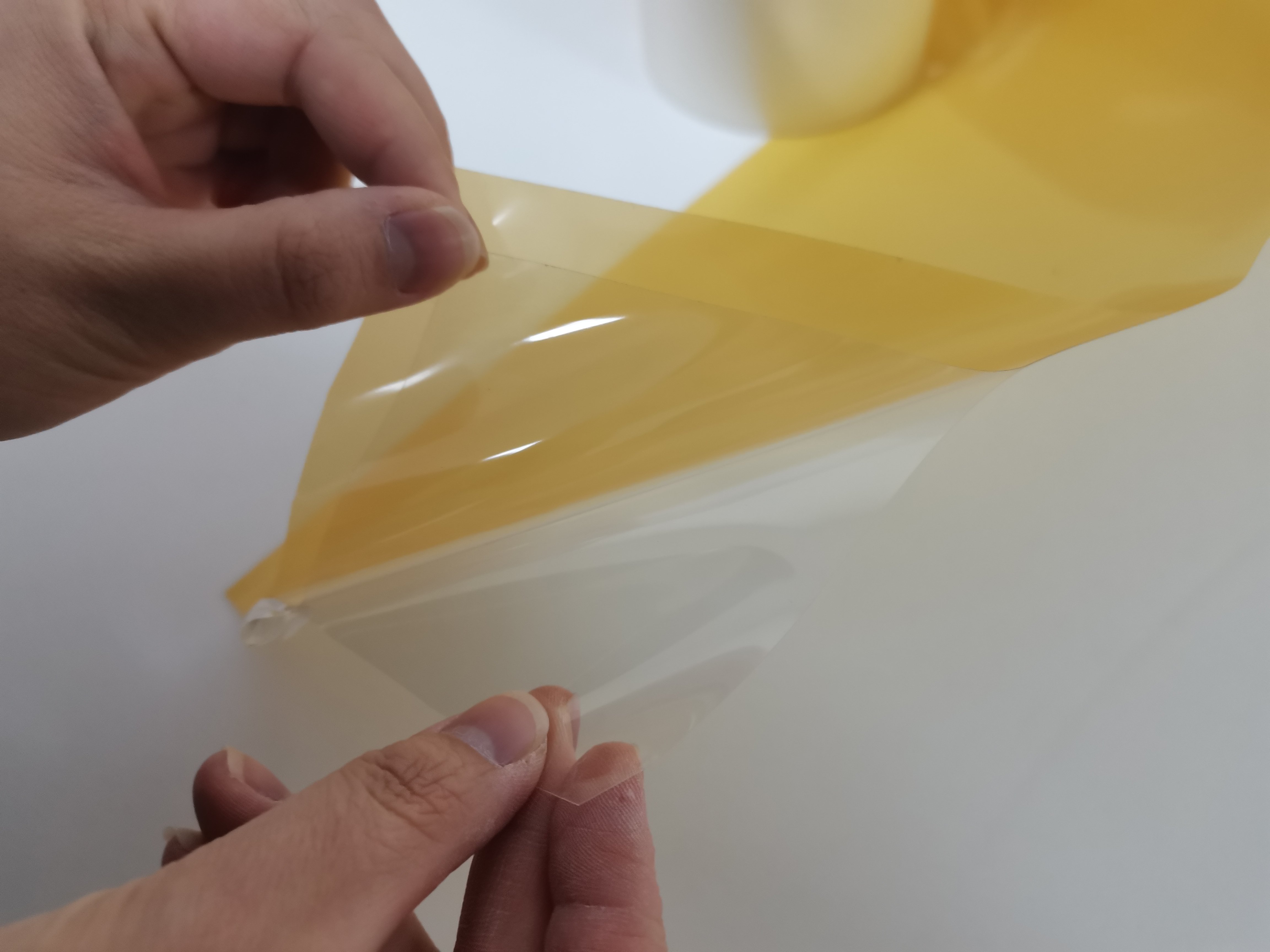
A hydrogel membrane has rapidly become the preferred protective layer for modern electronic devices, and its customisable nature is a key reason why. Unlike rigid tempered glass, a hydrogel membrane conforms to curved, flat, or irregular surfaces with ease, making it suitable for a wide range of device form factors. When businesses and manufacturers explore device protection at scale, the ability to tailor a hydrogel membrane to specific dimensions, finishes, and functional requirements transforms it from a simple accessory into a strategic component.
Understanding exactly how a customisable hydrogel membrane enhances device protection requires looking at its material properties, its adaptability during manufacturing, and its real-world performance in industrial and consumer applications. Each hydrogel membrane layer is engineered from a flexible polymer matrix that absorbs impact energy, resists scratching, and recovers from minor surface damage. This article explores the specific mechanisms through which a well-designed hydrogel membrane delivers superior protection and why customisation amplifies those benefits significantly.
Material Advantages of a Hydrogel Membrane
Flexibility and Impact Absorption
The most fundamental advantage of a hydrogel membrane lies in its inherent flexibility. A standard hydrogel membrane is manufactured from a thermoplastic polyurethane base combined with a hydrophilic polymer network, giving it both elasticity and toughness. When a device receives an impact, the hydrogel membrane disperses the shock force across its surface area rather than concentrating it at a single point, significantly reducing the likelihood of screen damage. This energy-distribution property makes the hydrogel membrane far more effective than brittle alternatives for devices that are handled frequently or used in demanding environments.
A customisable hydrogel membrane can be adjusted in thickness to match specific protection requirements. Thicker hydrogel membrane variants provide more cushioning for rugged applications, while ultra-thin hydrogel membrane formulations preserve touchscreen sensitivity for precision devices. This thickness flexibility means a single hydrogel membrane platform can serve multiple device categories without compromising performance in any of them.
Self-Healing Surface Properties
One of the most valued characteristics of a hydrogel membrane is its self-healing capability. Minor scratches on the hydrogel membrane surface gradually disappear as the polymer network reforms over time, typically within minutes to hours depending on temperature and humidity. This means the hydrogel membrane consistently maintains a clear, smooth appearance across the device lifecycle without requiring frequent replacement. For businesses managing device fleets or product lines, a self-healing hydrogel membrane reduces maintenance costs and extends the useful life of each protective layer. The self-healing mechanism within the hydrogel membrane is driven by cross-linked polymer chains that possess sufficient mobility to reconnect after surface deformation, making this feature reliable and repeatable under normal operating conditions.
How Customisation Enhances Hydrogel Membrane Protection
Precision Cutting and Shape Adaptation
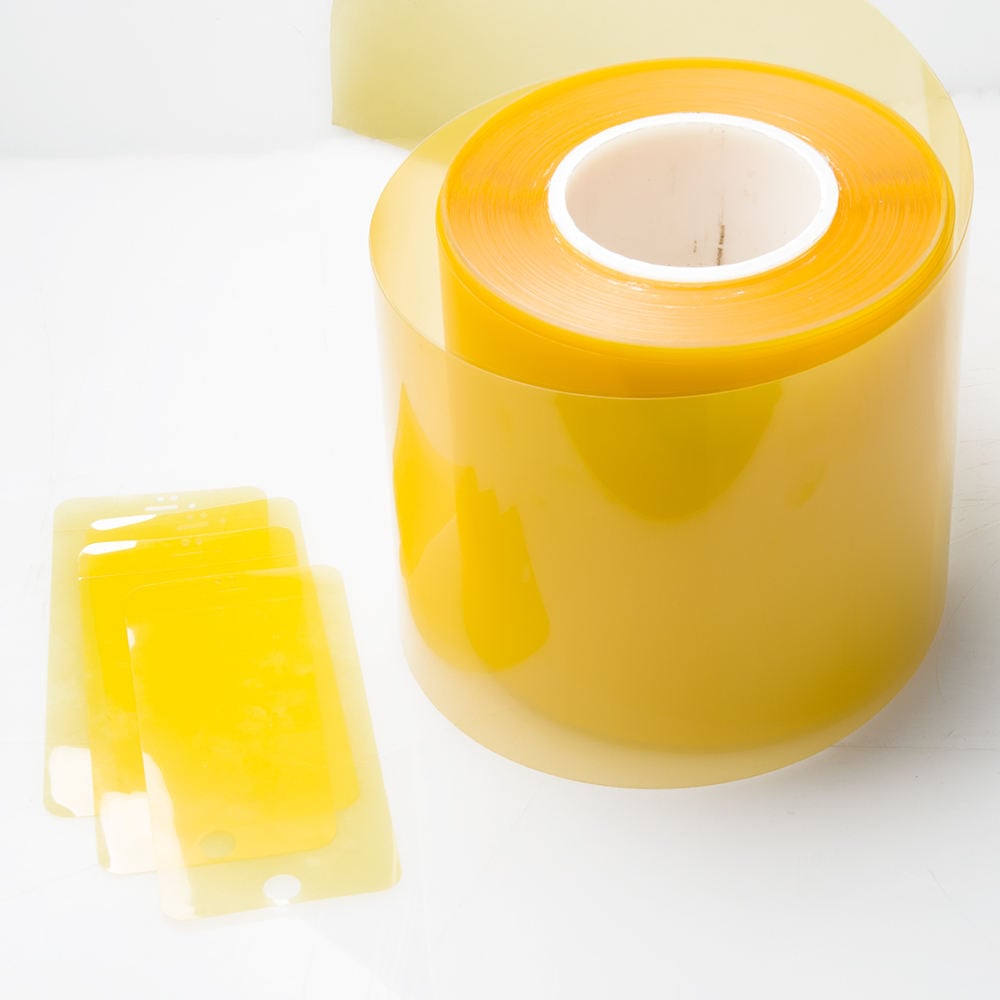
A customisable hydrogel membrane can be die-cut or plotter-cut to match the exact dimensions of any device screen, including models with curved edges, camera cutouts, and sensor zones. This precision fit ensures the hydrogel membrane covers every vulnerable area of the display without leaving exposed gaps or lifting at corners. When a hydrogel membrane is cut generically, it may leave screen edges unprotected, which is where most damage originates. A custom-shaped hydrogel membrane eliminates this risk entirely by providing full-coverage protection aligned to the exact device geometry. Manufacturers working with a hydrogel membrane roll material benefit particularly from this flexibility, as they can produce custom shapes in high volumes efficiently while maintaining consistent hydrogel membrane quality across every cut unit.
Surface Finish and Functional Coating Options
Customisation of a hydrogel membrane extends beyond shape. The surface finish of the hydrogel membrane can be specified as glossy, matte, or anti-glare, depending on the intended application and user experience requirements. A matte hydrogel membrane reduces fingerprint visibility and screen reflection, which is valuable in professional environments. An anti-glare hydrogel membrane improves display visibility in outdoor or high-ambient-light settings. Beyond aesthetics, a hydrogel membrane can be produced with additional functional coatings, such as oleophobic layers that resist oil and moisture, or antimicrobial treatments that inhibit bacterial growth on the screen surface. Each of these hydrogel membrane coating options is selected during the customisation stage, allowing the final product to deliver protection that is both physical and functional.
Industrial and Commercial Applications of Hydrogel Membrane
Wholesale Supply for Device Manufacturers
For device manufacturers and accessory distributors, sourcing a hydrogel membrane in roll format offers significant operational advantages. A hydrogel membrane roll provides consistent material quality across a large production run, enabling factories to cut and apply the hydrogel membrane with high repeatability. The roll format of a hydrogel membrane also reduces packaging waste and material handling complexity compared to pre-cut sheet formats. Businesses that integrate a hydrogel membrane into their production workflow benefit from faster throughput, lower per-unit costs, and the ability to serve a broader range of device models using a single hydrogel membrane material source. Multicolour TPU hydrogel membrane options further expand the commercial appeal, allowing branding or differentiation at the product level without changing the underlying protective properties of the hydrogel membrane.
Retail and B2B Market Fit
In the retail market, a customisable hydrogel membrane appeals to consumers who want precise protection without the rigidity of glass protectors. In B2B contexts, a hydrogel membrane is increasingly specified for enterprise device programmes, point-of-sale terminals, medical devices, and industrial tablets where durability and clarity are both essential. The hydrogel membrane serves these diverse markets because its customisation options allow each application to receive a protection solution that is fully matched to its requirements. Any business evaluating the hydrogel membrane for large-scale deployment should assess roll material availability, cutting compatibility, and coating options as part of their hydrogel membrane procurement criteria.
FAQ
What makes a hydrogel membrane different from tempered glass?
A hydrogel membrane is flexible, self-healing, and conforms to curved surfaces, whereas tempered glass is rigid and shatters under sufficient impact. The hydrogel membrane absorbs shock through elastic deformation rather than cracking, making it more durable in everyday handling scenarios. For devices with curved or irregular screens, the hydrogel membrane provides better edge-to-edge coverage than tempered glass can achieve.
Can a hydrogel membrane be applied to non-phone devices?
Yes, a hydrogel membrane can be custom-cut to fit tablets, laptops, smartwatches, vehicle dashboards, and industrial displays. Because a hydrogel membrane is supplied in roll format and can be cut to virtually any shape, it is a versatile protection solution across many device categories beyond smartphones. Businesses sourcing hydrogel membrane material in bulk can cover multiple device types from a single roll supply.
How long does a hydrogel membrane typically last?
A quality hydrogel membrane can last twelve months or longer under normal use conditions, depending on the level of daily handling and the specific environment. The self-healing property of the hydrogel membrane helps maintain its appearance over time, reducing the need for early replacement. Proper application and using a hydrogel membrane with a suitable adhesive layer further extend its functional lifespan on the device.

