
 EN
EN
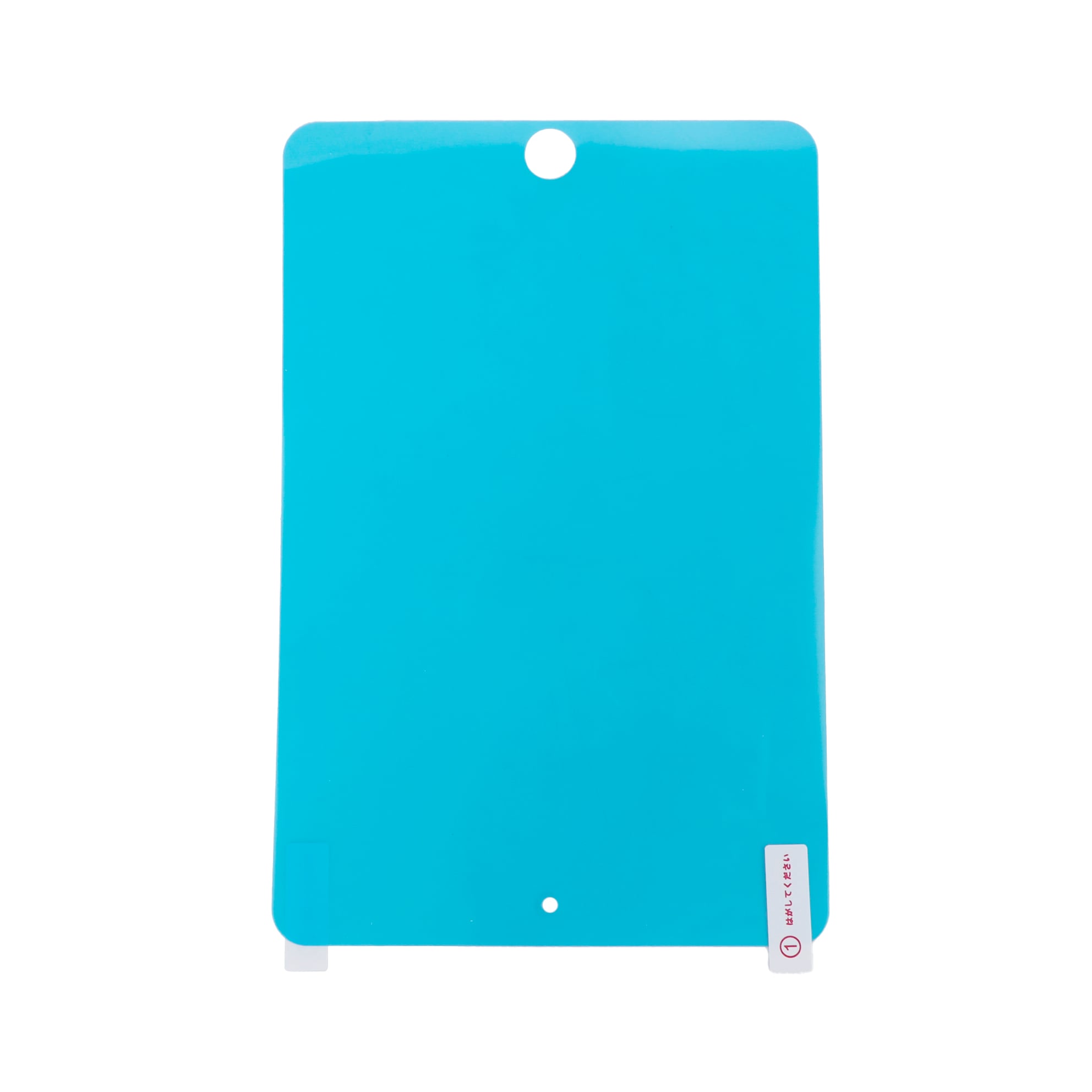
In today's competitive device protection market, the hydrogel membrane has become the material of choice for enterprises seeking reliable, scalable, and brand-aligned screen protection. Unlike rigid tempered glass alternatives, a hydrogel membrane offers a flexible, self-healing surface that absorbs impact without compromising display clarity. This combination of physical performance and material adaptability explains why large organisations increasingly specify hydrogel membrane products when managing device fleets at scale.
Customisation is the critical differentiator that elevates hydrogel membrane solutions above standard off-the-shelf options. Enterprises operate across diverse device ecosystems, brand environments, and regulatory requirements, and a one-size-fits-all hydrogel membrane simply cannot meet those varied demands. The ability to tailor hydrogel membrane specifications — from thickness and adhesive formulation to colour tint and surface finish — gives procurement teams a practical tool for addressing real operational challenges. This article examines the specific reasons why enterprises consistently prefer customisable hydrogel membrane solutions over fixed-format alternatives.
The Performance Advantages of Hydrogel Membrane at Enterprise Scale
Self-Healing and Durability Properties
One of the most commercially significant properties of a hydrogel membrane is its capacity for self-healing. When a hydrogel membrane surface receives minor scratches or abrasions, the thermoplastic polyurethane (TPU) material redistributes its molecular structure to close surface marks without any intervention. For enterprises managing hundreds or thousands of devices, this self-healing hydrogel membrane characteristic dramatically reduces maintenance costs and the frequency of protector replacement cycles. A hydrogel membrane that repairs itself extends the usable service life of each installation, which translates directly into lower total cost of ownership across a large device fleet.
Beyond self-healing, a high-quality hydrogel membrane delivers consistent optical clarity, anti-fingerprint resistance, and anti-blue-light filtering when specified. These hydrogel membrane performance attributes are particularly valued in enterprise environments where screens are used for extended periods in demanding lighting conditions. Whether the deployment context is a logistics warehouse, a retail point-of-sale terminal, or a professional services office, the hydrogel membrane maintains display quality while protecting the underlying panel from wear and micro-impact damage.
Compatibility Across Diverse Device Ecosystems
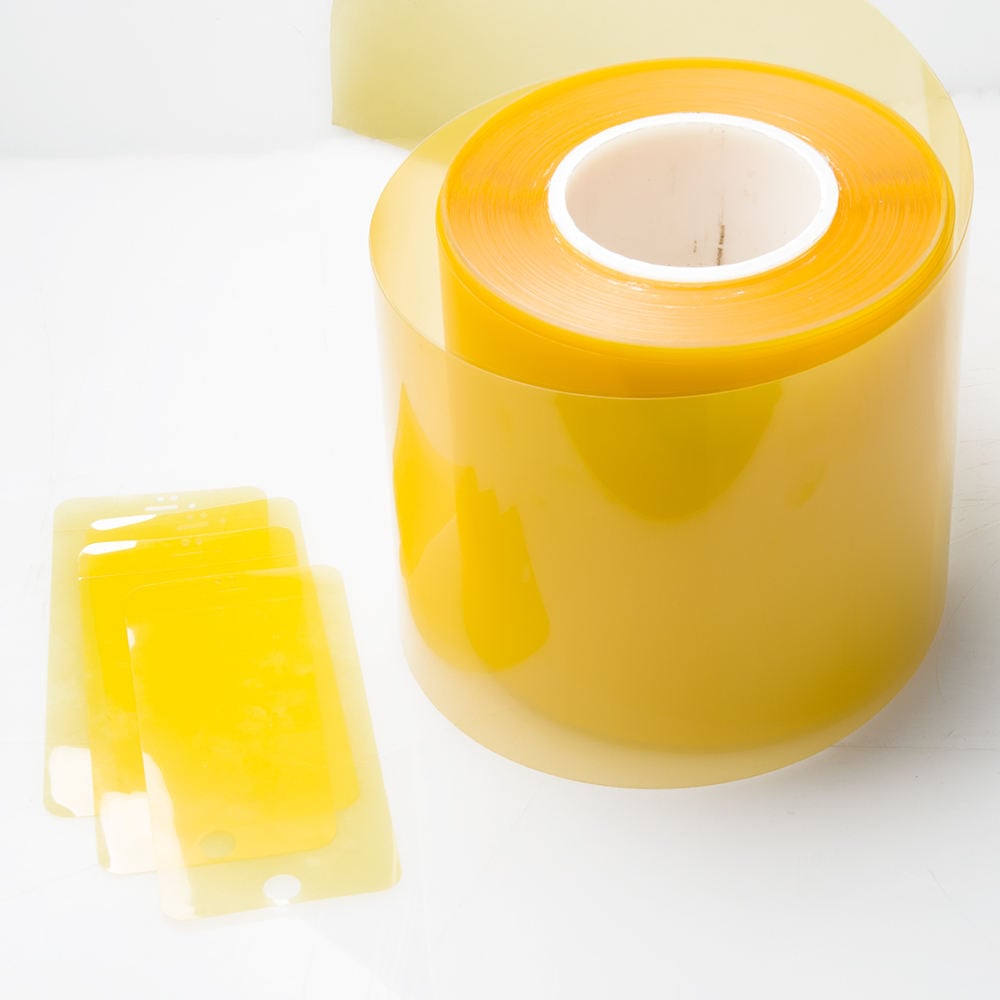
Enterprise device fleets rarely consist of a single make or model. A customisable hydrogel membrane can be cut and formatted to fit smartphones, tablets, industrial handhelds, and wearable displays within the same procurement programme. Suppliers who offer hydrogel membrane material on continuous rolls enable B2B buyers to cut precise shapes using automated plotting equipment, eliminating the need to stock dozens of pre-cut SKUs. This roll-based hydrogel membrane supply model is especially efficient for enterprises that operate proprietary or ruggedised devices not covered by standard retail hydrogel membrane product lines.
Why Customisation Is Essential for Enterprise Hydrogel Membrane Procurement
Brand Identity and Visual Specification
Enterprises with strong brand governance programmes require every customer-facing and employee-facing device to present a consistent visual identity. A customisable hydrogel membrane supports this requirement by allowing procurement teams to specify surface tint, privacy filter intensity, and even printed branding elements embedded within the hydrogel membrane layer. When a company distributes thousands of devices to field staff or retail environments, the hydrogel membrane becomes part of the visible product experience. The ability to align hydrogel membrane appearance with corporate colour standards and brand guidelines is a meaningful advantage that standard hydrogel membrane products cannot offer.
Adhesive and Surface Finish Customisation
Different enterprise deployment scenarios place different demands on hydrogel membrane adhesive performance. A hydrogel membrane applied in a high-humidity logistics environment requires a different adhesive specification than one applied in a temperature-controlled office setting. Customisable hydrogel membrane solutions allow enterprises to select silicone adhesive grades, release liner weights, and surface finishes such as matte, glossy, or anti-glare to match the operational environment precisely. This level of hydrogel membrane customisation reduces field failures, minimises re-application rates, and ensures that technicians deploying hydrogel membrane products across multiple sites experience consistent installation outcomes. The result is a hydrogel membrane programme that performs predictably regardless of environmental variation.
Supply Chain and Commercial Reasons Enterprises Choose Hydrogel Membrane
Volume Pricing and Roll-Based Supply Efficiency
Procurement teams at enterprise level evaluate hydrogel membrane solutions not only on technical merit but also on total supply chain economics. Buying hydrogel membrane material in wholesale roll format provides significant unit cost advantages compared to purchasing pre-packaged retail hydrogel membrane units. A single hydrogel membrane roll can yield hundreds of individual cut pieces, reducing packaging waste and warehousing footprint simultaneously. Suppliers who offer acrylic multicolour TPU hydrogel membrane rolls with consistent quality tolerances give enterprise buyers the confidence to build long-term supply agreements around hydrogel membrane material rather than finished hydrogel membrane products, further improving cost predictability.
Quality Consistency and Certification Alignment
Large organisations often apply internal quality standards or industry certification requirements to materials used in their device programmes. A customisable hydrogel membrane supplier that can provide material specifications, test certificates, and batch consistency documentation meets these procurement governance requirements in ways that consumer-grade hydrogel membrane channels cannot. When a hydrogel membrane supplier supports formal quality documentation, it simplifies the approval process for new hydrogel membrane specifications and accelerates the integration of hydrogel membrane products into existing device management programmes. This governance alignment is a decisive factor for regulated industries such as healthcare, finance, and public sector organisations that specify hydrogel membrane protection for sensitive device inventories.
FAQ
What makes a hydrogel membrane different from tempered glass screen protectors?
A hydrogel membrane is made from flexible TPU material that absorbs impact and self-heals minor scratches, whereas tempered glass is rigid and shatters under sufficient force. The hydrogel membrane also conforms more precisely to curved screen edges, making it suitable for modern device designs that tempered glass cannot accommodate without visible gaps or lifting edges.
Can hydrogel membrane be supplied in custom sizes for non-standard devices?
Yes. When hydrogel membrane is supplied in roll format, it can be cut to any dimension using plotter or die-cutting equipment. This makes hydrogel membrane the preferred material for enterprises managing proprietary, ruggedised, or industrial devices that do not have pre-cut hydrogel membrane products available through standard retail channels.
How does customisable hydrogel membrane improve enterprise procurement efficiency?
Customisable hydrogel membrane reduces the number of individual SKUs a procurement team must manage by consolidating multiple device protection needs into a single hydrogel membrane material specification. It also allows enterprises to align hydrogel membrane adhesive grades and surface finishes to specific deployment environments, reducing field failure rates and minimising the cost of re-application across large device fleets.

