
 EN
EN
In the rapidly evolving landscape of protective film technology, TPU hydrogel film has emerged as a critical material for screen protection, automotive applications, and advanced electronics manufacturing. As global markets demand higher performance standards and regulatory compliance, manufacturers face increasing pressure to align their production processes with international quality benchmarks. Understanding how leading producers of TPU hydrogel film achieve and maintain compliance with global standards reveals not only technical excellence but also strategic operational frameworks that ensure consistent quality across diverse markets.
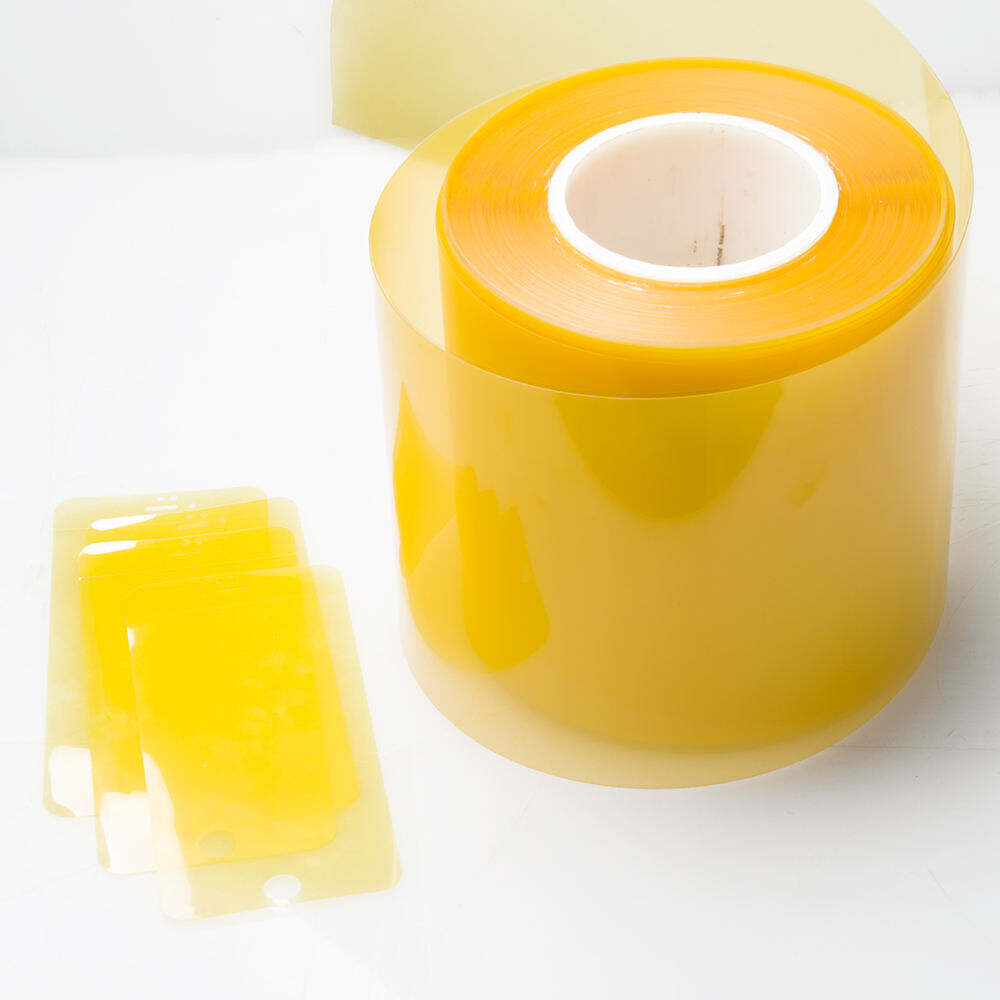
The journey toward global standard compliance begins long before the first roll of TPU hydrogel film leaves the production line. Leading manufacturers implement comprehensive quality management systems that integrate ISO certifications, regional regulatory requirements, and industry-specific testing protocols. These organizations recognize that meeting global standards is not merely about passing inspections but establishing systematic excellence that permeates every aspect of production, from raw material selection to final product validation. The complexity of this challenge intensifies when considering that TPU hydrogel film must satisfy divergent requirements across markets in North America, Europe, Asia, and emerging economies, each with distinct regulatory frameworks and performance expectations.
Advanced Manufacturing Processes That Ensure Regulatory Compliance
Precision Coating Technologies and Thickness Control
Top-tier manufacturers of TPU hydrogel film employ sophisticated coating systems that deliver micron-level thickness consistency across production runs. These systems utilize gravure coating, slot-die coating, or curtain coating methodologies depending on the specific product formulation and target application. The precision required to meet global standards necessitates real-time monitoring systems that detect even minor variations in film thickness, ensuring that each batch conforms to specifications outlined in ISO 9001 quality management protocols. Advanced optical measurement devices continuously scan the TPU hydrogel film during production, triggering immediate adjustments when thickness deviates beyond acceptable tolerances.
Cleanroom Manufacturing Environments
The production of TPU hydrogel film for premium applications demands cleanroom facilities classified according to ISO 14644 standards. Leading manufacturers maintain Class 10,000 or higher cleanroom environments to minimize particulate contamination that could compromise film clarity and adhesion properties. These controlled environments regulate not only airborne particles but also temperature, humidity, and static electricity—factors that significantly impact the molecular structure and performance characteristics of TPU hydrogel film. Environmental monitoring systems operate continuously, logging data that demonstrates sustained compliance with both internal specifications and external regulatory requirements.
Quality Assurance Through Statistical Process Control
Statistical process control methodologies form the backbone of quality assurance programs at leading TPU hydrogel film facilities. These manufacturers collect thousands of data points throughout each production cycle, analyzing variables such as tensile strength, elongation percentage, light transmittance, and adhesion force. By applying Six Sigma principles and control charting techniques, production teams identify process variations before they result in non-conforming products. This proactive approach to quality management ensures that TPU hydrogel film consistently meets specifications defined by ASTM International standards and other recognized testing organizations.
Comprehensive Testing Protocols Aligned With International Standards
Mechanical Performance Validation
Leading manufacturers subject their TPU hydrogel film to rigorous mechanical testing that exceeds minimum regulatory requirements. Tensile testing machines measure ultimate tensile strength and elongation at break according to ASTM D882 standards, while tear resistance testing follows protocols established in ASTM D1004. These mechanical assessments verify that the film maintains structural integrity under stress conditions representative of real-world applications. Manufacturers maintain detailed testing records that demonstrate batch-to-batch consistency, providing documentation essential for certification audits and customer quality reviews.
Optical and Surface Quality Assessment
The optical properties of TPU hydrogel film directly impact user experience in screen protection applications, making transparency and haze measurements critical quality indicators. Advanced spectrophotometers quantify light transmittance across the visible spectrum, ensuring that the film achieves the 90 percent or higher transparency typically required for premium applications. Surface quality inspections employ automated vision systems that detect microscopic defects, scratches, or inclusion particles that could diminish product performance. These optical validation procedures align with JIS K7361 Japanese Industrial Standards and equivalent international testing protocols.
Environmental Resistance and Durability Testing
Global standards mandate that TPU hydrogel film demonstrate stability across diverse environmental conditions. Leading manufacturers conduct accelerated aging tests that expose samples to elevated temperatures, UV radiation, and humidity cycles as specified in standards such as ASTM G154. Thermal cycling tests verify that the film maintains adhesion and optical properties when subjected to temperature fluctuations between negative forty and positive eighty degrees Celsius. Chemical resistance testing evaluates performance when exposed to common solvents, cleaning agents, and cosmetic products, ensuring that the TPU hydrogel film retains protective functionality throughout its intended service life.
Supply Chain Management and Raw Material Certification
Supplier Qualification and Auditing Programs
The quality of TPU hydrogel film begins with the raw materials entering the production process. Leading manufacturers implement comprehensive supplier qualification programs that evaluate potential vendors against stringent criteria including ISO 9001 certification, production capacity, technical capabilities, and quality management maturity. Once approved, suppliers undergo periodic audits that verify continued compliance with material specifications and ethical sourcing requirements. This systematic approach to supply chain management ensures that every component—from polyurethane resins to adhesive formulations—meets documented standards before incorporation into TPU hydrogel film production.
Material Testing and Incoming Inspection
Even with qualified suppliers, top manufacturers never bypass incoming material inspection. Dedicated quality control laboratories perform physical, chemical, and performance testing on raw materials before releasing them for production use. For TPU hydrogel film manufacturing, this includes verifying the molecular weight distribution of polymer resins, measuring the viscosity of coating solutions, and confirming the absence of restricted substances listed in regulations such as REACH and RoHS. This redundant verification layer protects against material variability that could compromise final product quality and regulatory compliance.
Traceability Systems and Batch Control
Complete traceability represents a non-negotiable requirement for meeting global standards in TPU hydrogel film production. Advanced manufacturers implement enterprise resource planning systems that track every raw material lot from receipt through conversion into finished goods. Barcode scanning and RFID technologies create digital records linking specific TPU hydrogel film batches to their constituent materials, processing parameters, quality test results, and shipping documentation. This comprehensive traceability enables rapid response to quality issues and facilitates the root cause analysis essential for continuous improvement initiatives.
Regulatory Certification and Third-Party Validation
ISO Certification Portfolio Management
Leading TPU hydrogel film manufacturers maintain portfolios of ISO certifications that demonstrate systematic adherence to global quality, environmental, and safety standards. ISO 9001 certification validates quality management systems, while ISO 14001 confirms environmental management practices. Manufacturers serving medical or food-contact applications often pursue additional certifications such as ISO 13485 for medical devices or FSSC 22000 for food safety management. Maintaining these certifications requires ongoing surveillance audits, management review processes, and continuous improvement programs that embed compliance into organizational culture rather than treating it as a periodic compliance exercise.
Regional Regulatory Compliance Strategies
The global marketplace for TPU hydrogel film encompasses regions with distinct regulatory frameworks. In the European Union, manufacturers must navigate REACH registration requirements, ensuring that all substances used in TPU hydrogel film production are properly registered and authorized. North American markets require compliance with FDA regulations for materials contacting food or skin, while also considering state-level requirements such as California Proposition 65. Asian markets present their own regulatory landscapes, with countries like Japan, South Korea, and China maintaining specific standards for chemical substances and product safety. Leading manufacturers employ regulatory affairs specialists who monitor evolving requirements across jurisdictions, adapting formulations and documentation practices to maintain market access.
Independent Laboratory Testing and Certification
To validate compliance claims and build customer confidence, top-tier TPU hydrogel film producers engage accredited third-party testing laboratories. Organizations such as SGS, Intertek, and TUV Rheinland provide independent verification that products meet specified standards. These laboratories conduct testing according to recognized international methods, issuing certificates and test reports that manufacturers can present to customers and regulatory authorities. For specialized applications, manufacturers may pursue industry-specific certifications such as UL listing for electrical applications or NSF certification for products used in food service environments. This third-party validation differentiates leading TPU hydrogel film manufacturers from competitors who rely solely on internal testing.
Continuous Improvement and Technology Innovation
Research and Development Investment
Meeting current global standards represents just the baseline expectation for leading TPU hydrogel film manufacturers. These organizations invest significantly in research and development programs aimed at anticipating future requirements and developing next-generation materials. Advanced polymer chemistry research explores bio-based TPU formulations that reduce environmental impact while maintaining performance characteristics. Nanotechnology research investigates the incorporation of functional additives that enhance scratch resistance, antimicrobial properties, or self-healing capabilities. By pushing technological boundaries, these manufacturers position themselves to meet emerging standards before competitors recognize the need for adaptation.
Customer Collaboration and Application Development
Understanding how TPU hydrogel film performs in end-use applications provides invaluable insights for meeting industry-specific standards. Leading manufacturers establish technical collaboration programs with major customers in electronics, automotive, and consumer goods sectors. These partnerships facilitate knowledge exchange about application requirements, performance expectations, and emerging challenges. Field failure analysis programs systematically investigate any TPU hydrogel film failures reported from the market, using these insights to refine formulations and processing parameters. This customer-centric approach ensures that products not only meet published standards but also deliver reliable performance in real-world conditions.
Digital Transformation and Industry 4.0 Implementation
The most forward-thinking TPU hydrogel film manufacturers leverage digital technologies to enhance quality control and regulatory compliance. Internet-of-Things sensors embedded throughout production equipment generate continuous data streams that feed into advanced analytics platforms. Machine learning algorithms identify subtle patterns that human operators might overlook, predicting potential quality deviations before they occur. Digital twin technologies create virtual replicas of production processes, enabling manufacturers to simulate process changes and predict their impact on TPU hydrogel film properties without disrupting actual production. These Industry 4.0 capabilities represent the cutting edge of manufacturing excellence, positioning early adopters to meet increasingly stringent global standards with greater efficiency and reliability.
FAQ
What are the most important international standards that TPU hydrogel film manufacturers must meet?
The most critical international standards for TPU hydrogel film include ISO 9001 for quality management systems, REACH and RoHS for chemical substance restrictions in European markets, and various ASTM standards for mechanical and optical property testing. Manufacturers serving specific industries must also comply with sector-specific requirements such as FDA regulations for medical or food-contact applications, automotive industry standards for interior materials, and electronics industry standards for component materials. The specific standards applicable to any particular TPU hydrogel film depend on its intended application and target markets.
How do manufacturers ensure consistent quality across different production batches of TPU hydrogel film?
Consistent quality across batches results from implementing statistical process control methodologies, maintaining stringent raw material specifications, operating within tightly controlled environmental parameters, and conducting comprehensive testing at multiple production stages. Leading manufacturers establish detailed process specifications that define acceptable ranges for all critical variables, from coating solution viscosity to curing temperature profiles. Automated monitoring systems track these parameters in real-time, triggering alerts when deviations occur. Regular calibration of measurement equipment and periodic validation of test methods ensure that quality assessments remain accurate and reliable over time.
Why do some TPU hydrogel film manufacturers pursue certifications beyond basic regulatory requirements?
Manufacturers pursue additional certifications to differentiate their products in competitive markets, meet specific customer requirements, access premium market segments, and demonstrate commitment to quality excellence. Certifications such as ISO 14001 for environmental management or ISO 45001 for occupational health and safety signal corporate responsibility that resonates with environmentally and socially conscious customers. Industry-specific certifications like IATF 16949 for automotive suppliers or ISO 13485 for medical device manufacturers are often mandatory for serving those sectors. These additional certifications also drive internal process improvements that enhance operational efficiency and product quality beyond minimum compliance levels.
How frequently do global standards for TPU hydrogel film change, and how do manufacturers stay current?
Global standards undergo periodic review and revision, typically on three to five year cycles, though more frequent updates occur in response to emerging health, safety, or environmental concerns. Leading TPU hydrogel film manufacturers maintain active memberships in industry associations and standards development organizations, enabling them to participate in standard-setting processes and receive early notification of proposed changes. Regulatory affairs teams monitor government agency announcements, subscribe to regulatory intelligence services, and attend industry conferences where regulatory updates are discussed. This proactive monitoring approach ensures that manufacturers can adapt their processes and formulations before new standards take effect, maintaining uninterrupted market access.
Table of Contents
- Advanced Manufacturing Processes That Ensure Regulatory Compliance
- Comprehensive Testing Protocols Aligned With International Standards
- Supply Chain Management and Raw Material Certification
- Regulatory Certification and Third-Party Validation
- Continuous Improvement and Technology Innovation
-
FAQ
- What are the most important international standards that TPU hydrogel film manufacturers must meet?
- How do manufacturers ensure consistent quality across different production batches of TPU hydrogel film?
- Why do some TPU hydrogel film manufacturers pursue certifications beyond basic regulatory requirements?
- How frequently do global standards for TPU hydrogel film change, and how do manufacturers stay current?

