
 EN
EN
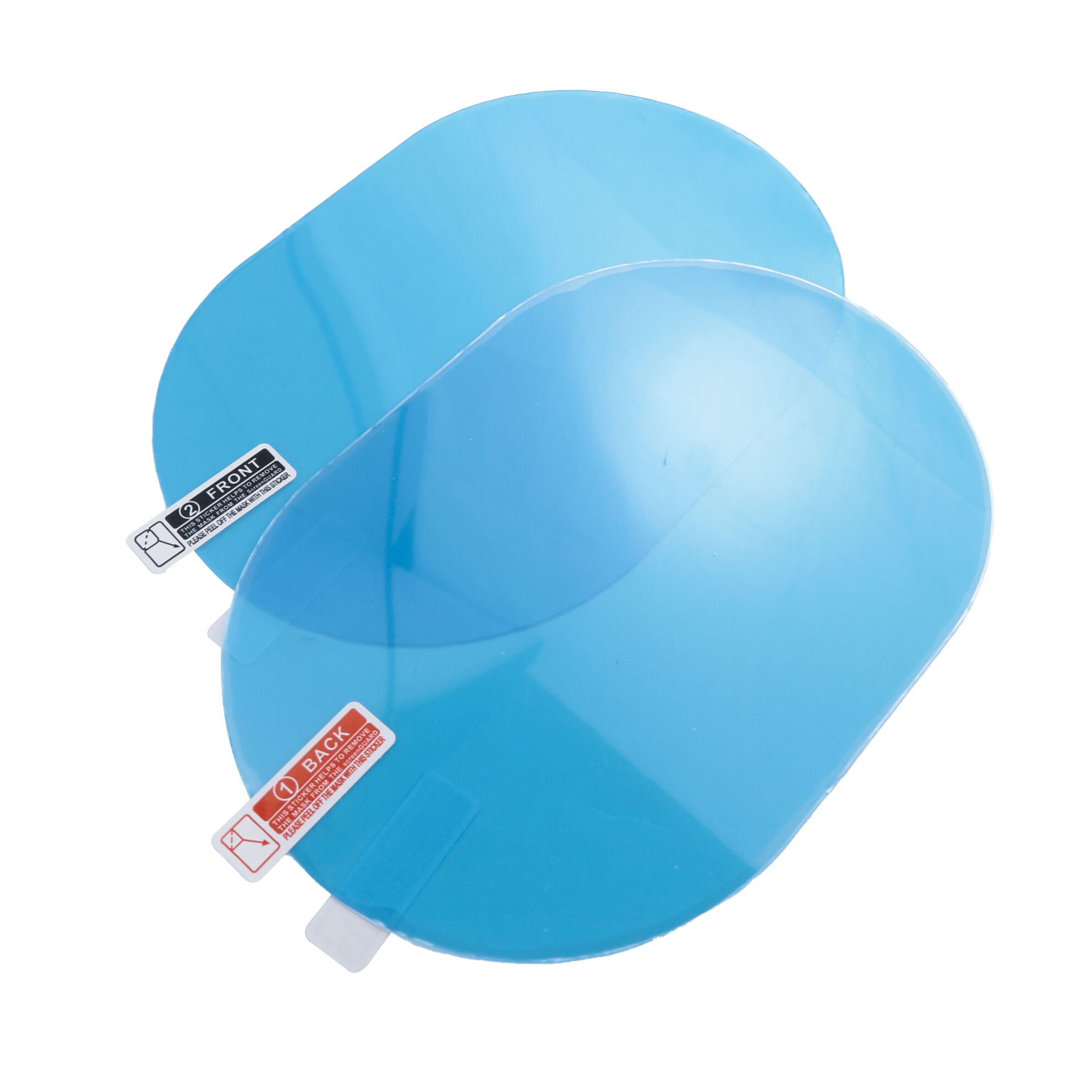
In today's demanding industrial environments, protecting products and equipment from moisture damage has become a critical concern for manufacturers and businesses worldwide. The implementation of advanced protective solutions like customisable rainproof film has revolutionized how industries approach product preservation and longevity. This innovative technology offers tailored protection that adapts to specific product requirements, environmental conditions, and operational demands, making it an essential component in modern industrial applications.
The ability to customize protective films according to specific dimensions, adhesive properties, and environmental resistance levels has transformed traditional approaches to product protection. Unlike standard off-the-shelf solutions, customisable protective films can be engineered to meet precise specifications, ensuring optimal performance across diverse applications from automotive components to electronic devices and industrial machinery.
Understanding the Science Behind Protective Film Technology
Material Composition and Engineering
The foundation of effective customisable rainproof film lies in its sophisticated material composition, which typically combines multiple polymer layers engineered for specific protective properties. These films often incorporate polyurethane, polyethylene, or specialized acrylic compounds that provide exceptional moisture resistance while maintaining flexibility and durability. The molecular structure of these materials creates a barrier that prevents water penetration while allowing for thermal expansion and contraction.
Advanced manufacturing processes enable the integration of various additives and stabilizers that enhance the film's resistance to UV radiation, chemical exposure, and mechanical stress. This multi-layered approach ensures that the protective film maintains its integrity across extended periods, even when exposed to harsh environmental conditions. The customization process allows manufacturers to adjust the thickness, adhesive strength, and surface properties to match specific application requirements.
Adhesion Mechanisms and Surface Compatibility
The effectiveness of protective films depends significantly on their ability to form strong, reliable bonds with substrate surfaces while remaining removable when necessary. Modern customisable rainproof film utilizes advanced adhesive technologies that can be tailored to work with various materials including metals, plastics, glass, and composite materials.
The adhesive formulation process considers factors such as surface energy, texture, and intended application duration to ensure optimal performance. Some applications require permanent adhesion for long-term protection, while others benefit from removable formulations that allow for easy replacement or maintenance access. This flexibility in adhesive design enables the creation of protective solutions that meet specific operational requirements without compromising product functionality.
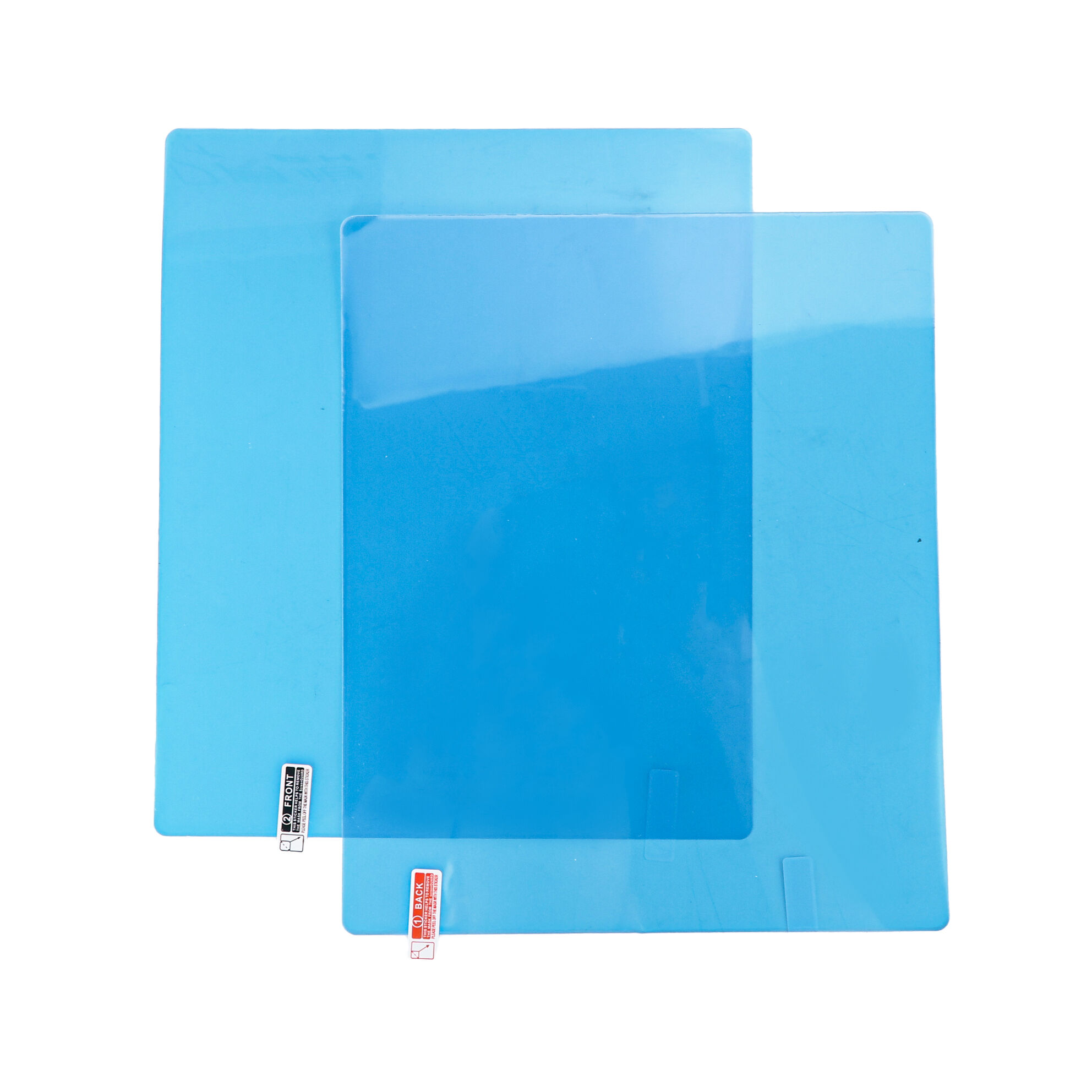
Impact on Product Durability and Maintenance
Corrosion Prevention and Material Preservation
One of the most significant benefits of implementing customisable rainproof film is its ability to prevent corrosion and material degradation caused by moisture exposure. Metal components, particularly those containing iron or steel, are susceptible to oxidation when exposed to water and oxygen. The protective barrier created by specialized films effectively isolates these materials from environmental moisture, significantly extending their operational lifespan.
The prevention of corrosion translates directly into reduced maintenance costs and extended replacement intervals. Industries such as automotive manufacturing, construction equipment, and marine applications have documented substantial cost savings through the implementation of protective film systems. The ability to customize these films for specific environmental conditions ensures maximum effectiveness in preventing material degradation.
Reduced Maintenance Requirements
Products protected by high-quality rainproof films require significantly less frequent maintenance and cleaning compared to unprotected alternatives. The smooth, non-porous surface of protective films prevents dirt, debris, and contaminants from adhering to underlying surfaces, making routine cleaning more efficient and effective. This reduction in maintenance requirements translates into lower operational costs and increased equipment availability.
The self-cleaning properties of many modern protective films further enhance their maintenance benefits. Advanced surface treatments can provide hydrophobic or oleophobic characteristics that cause water and oil-based contaminants to bead up and roll off the surface naturally. This self-cleaning action helps maintain product appearance and functionality with minimal intervention.
Application-Specific Customization Benefits
Dimensional Flexibility and Precision Fitting
The ability to customize protective films to exact dimensions represents a significant advantage over traditional protection methods. Custom sizing eliminates waste, reduces installation time, and ensures complete coverage of critical areas without excess material. This precision fitting capability is particularly valuable for complex geometries, curved surfaces, and irregularly shaped components that cannot be effectively protected with standard-sized materials.
Advanced manufacturing techniques enable the production of protective films with intricate cut patterns, precise edge finishing, and integrated features such as drainage channels or ventilation ports. This level of customization ensures that protection does not interfere with product functionality while providing comprehensive coverage against moisture intrusion.
Environmental Adaptation and Performance Optimization
Different operating environments present unique challenges that require specialized protective solutions. Customisable rainproof film can be engineered to withstand specific temperature ranges, chemical exposures, UV radiation levels, and mechanical stresses encountered in particular applications. This environmental adaptation ensures optimal performance and longevity regardless of operating conditions.
The customization process includes consideration of factors such as thermal cycling, humidity variations, salt spray exposure, and mechanical vibration. By tailoring the film properties to match these specific environmental challenges, manufacturers can achieve superior protection performance compared to generic solutions. This targeted approach maximizes the protective benefits while optimizing cost-effectiveness.
Economic Impact and Return on Investment
Cost-Benefit Analysis of Protective Film Implementation
The economic benefits of implementing customisable rainproof film extend far beyond the initial investment cost. Comprehensive cost-benefit analyses consistently demonstrate significant returns through reduced replacement costs, extended service intervals, and decreased maintenance requirements. The ability to customize these films for specific applications further enhances their economic value by eliminating over-specification and reducing material waste.
Long-term studies in various industries have shown that the total cost of ownership for products protected with high-quality films can be reduced by 30-50% compared to unprotected alternatives. These savings result from extended product lifespan, reduced downtime for maintenance, and lower replacement part costs. The customization aspect allows for optimization of these benefits by ensuring that protection levels match actual requirements.
Market Competitiveness and Brand Protection
Products that maintain their appearance and functionality over extended periods provide significant competitive advantages in the marketplace. The use of protective films helps preserve product aesthetics, preventing the deterioration that can negatively impact brand perception and customer satisfaction. This brand protection value is particularly important for consumer-facing products and equipment used in professional applications.
The ability to offer extended warranties and guarantee product performance over longer periods becomes a powerful marketing tool when protective films are properly implemented. Customers increasingly value durability and longevity in their purchasing decisions, making the investment in protective technology a strategic business advantage rather than simply an operational expense.
Future Developments and Innovation Trends
Smart Film Technologies and Active Protection
Emerging developments in protective film technology are incorporating smart materials and active protection mechanisms that respond dynamically to environmental conditions. These next-generation films may include embedded sensors, self-healing polymers, and adaptive properties that adjust their protective characteristics based on real-time environmental monitoring. Such innovations promise to further extend product lifespan while reducing maintenance requirements.
Research into nano-scale additives and molecular-level engineering is leading to protective films with unprecedented performance characteristics. These advanced materials offer superior barrier properties, enhanced durability, and improved customization options that will expand the range of applications where protective films can provide significant benefits.
Sustainability and Environmental Considerations
The development of environmentally sustainable protective films represents a growing trend in the industry, driven by increasing regulatory requirements and corporate sustainability initiatives. Bio-based polymers, recyclable formulations, and reduced environmental impact manufacturing processes are becoming standard considerations in film development and customization.
Future innovations will likely focus on creating protective films that not only extend product lifespan but also contribute to overall environmental sustainability through reduced resource consumption and waste generation. The customization aspect of these films supports sustainability goals by eliminating over-specification and minimizing material usage while maintaining optimal protection levels.
FAQ
How long does customisable rainproof film typically last before replacement is needed
The lifespan of customisable rainproof film varies significantly depending on environmental conditions, application requirements, and film specifications. In typical industrial applications, high-quality protective films can maintain their effectiveness for 5-10 years or more. Films used in harsh environments such as marine applications or extreme weather conditions may require replacement every 3-5 years, while indoor applications can often achieve lifespans exceeding 10 years. The customization process allows manufacturers to optimize film formulations for specific expected service lives, balancing performance requirements with cost considerations.
Can protective films be applied to products that are already in service or only during manufacturing
Customisable rainproof films can be successfully applied to both new products during manufacturing and existing products already in service. Retrofit applications require careful surface preparation and may involve temporary service interruptions, but the protective benefits can be achieved regardless of product age. The key factors for successful retrofit application include proper surface cleaning, appropriate environmental conditions during installation, and selection of film formulations compatible with existing surface treatments or coatings. Many industries have implemented protective film retrofits as part of preventive maintenance programs to extend the service life of valuable equipment and infrastructure.
What maintenance is required for products protected with customisable rainproof film
Products protected with high-quality rainproof films generally require minimal maintenance beyond standard cleaning procedures. Regular inspection for film integrity, edge lifting, or damage should be conducted according to manufacturer recommendations, typically during routine maintenance intervals. Cleaning can usually be accomplished with mild detergents and standard cleaning equipment, though specific cleaning protocols may be recommended based on film formulation and application environment. The self-cleaning properties of many modern films reduce the frequency of required cleaning while maintaining optimal appearance and performance.
How does film customization affect installation complexity and time requirements
Proper customization of protective films typically reduces installation complexity and time requirements compared to using standard-sized materials that require field modification. Pre-cut films eliminate the need for on-site trimming, reduce material waste, and ensure precise fit and coverage. Installation time can be reduced by 40-60% when using properly customized films, particularly for complex geometries or large-scale applications. The customization process can also include installation aids such as alignment marks, handling tabs, and pre-applied adhesive activation systems that further simplify the installation process and improve final results.
Table of Contents
- Understanding the Science Behind Protective Film Technology
- Impact on Product Durability and Maintenance
- Application-Specific Customization Benefits
- Economic Impact and Return on Investment
- Future Developments and Innovation Trends
-
FAQ
- How long does customisable rainproof film typically last before replacement is needed
- Can protective films be applied to products that are already in service or only during manufacturing
- What maintenance is required for products protected with customisable rainproof film
- How does film customization affect installation complexity and time requirements

