
 EN
EN
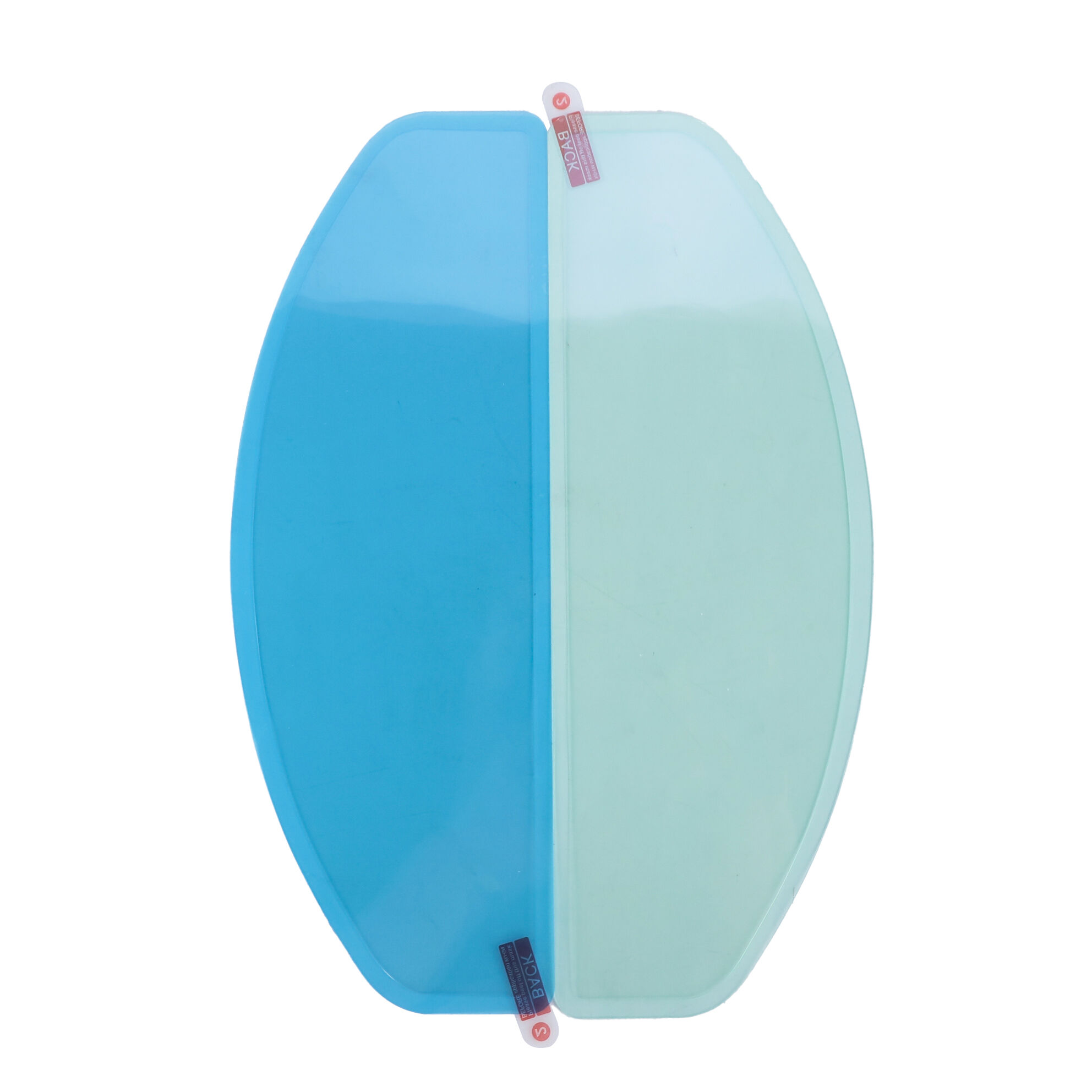
Outdoor enthusiasts and professionals operating in challenging weather conditions face a persistent problem: maintaining clear visibility through protective equipment when rain, fog, and moisture interfere with critical visual clarity. Anti-rainproof film technology has emerged as a revolutionary solution that transforms how we protect and enhance outdoor equipment performance. This specialized protective coating creates an invisible barrier that prevents water droplets from adhering to surfaces, ensuring optimal functionality regardless of environmental conditions. The growing adoption of anti-rainproof film across industries demonstrates its effectiveness in solving moisture-related visibility challenges that have plagued outdoor equipment users for decades.
Understanding Anti-Rainproof Film Technology
The Science Behind Water Repellency
Anti-rainproof film operates through advanced hydrophobic properties that fundamentally alter surface tension dynamics. The microscopic structure of this protective layer creates contact angles that exceed 90 degrees, causing water molecules to form spherical droplets rather than spreading across the surface. This phenomenon occurs due to specialized polymer formulations that incorporate fluorinated compounds or silicone-based materials. The molecular arrangement creates a low-energy surface that minimizes water adhesion, allowing droplets to roll off effortlessly under minimal gravitational force or air movement.
The durability of anti-rainproof film stems from its chemical bonding mechanisms that create permanent or semi-permanent attachments to substrate materials. Advanced manufacturing processes ensure uniform thickness distribution and consistent performance characteristics across varying temperature ranges. The film's transparency remains uncompromised while providing superior protection against environmental contaminants including dust, salt spray, and organic residues that typically accumulate on exposed surfaces.
Material Composition and Performance Characteristics
Modern anti-rainproof film incorporates multiple functional layers designed to optimize specific performance parameters. The base adhesive layer provides secure attachment to target surfaces without causing damage upon removal. The intermediate structural layer offers mechanical strength and flexibility to withstand thermal expansion, vibration, and physical stress. The top functional layer contains the active hydrophobic agents responsible for water repellency and self-cleaning properties.
Quality anti-rainproof film maintains optical clarity exceeding 95% light transmission while reducing glare and reflective interference. The material exhibits excellent chemical resistance against common environmental pollutants, automotive fluids, and cleaning agents. Temperature stability ranges typically span from -40°C to +80°C, ensuring reliable performance across diverse climate conditions and geographic locations.
Applications in Outdoor Equipment Protection
Helmet and Protective Gear Enhancement
Motorcycle riders, construction workers, and sports enthusiasts rely on clear vision through protective visors and face shields. Anti-rainproof film application to helmet surfaces prevents water accumulation that can obstruct vision during critical moments. The film's properties extend beyond rain protection to include fog prevention, which occurs when temperature differentials create condensation on interior surfaces. Professional racing applications demonstrate measurable performance improvements when riders maintain optimal visibility throughout varying weather conditions.
Military and tactical applications utilize anti-rainproof film on night vision equipment, scopes, and protective eyewear where mission success depends on maintaining clear sight lines. The film's anti-reflective properties provide additional tactical advantages by reducing detectability while preserving optical performance. Emergency responders benefit from enhanced visibility during rescue operations conducted in adverse weather conditions.
Optical Equipment and Camera Protection
Professional photographers and videographers working in outdoor environments face constant challenges with lens protection against moisture damage. Anti-rainproof film provides an invisible protective barrier that maintains optical quality while preventing water spots and condensation buildup. The film's removable nature allows for replacement without affecting expensive optical coatings on underlying lenses.
Scientific and surveying instruments require consistent performance regardless of environmental conditions. Anti-rainproof film application ensures accurate measurements and observations by eliminating moisture-induced distortions. Astronomical equipment benefits particularly from reduced condensation during temperature changes that occur throughout extended observation periods.
Performance Advantages Over Traditional Methods
Superior Longevity and Durability
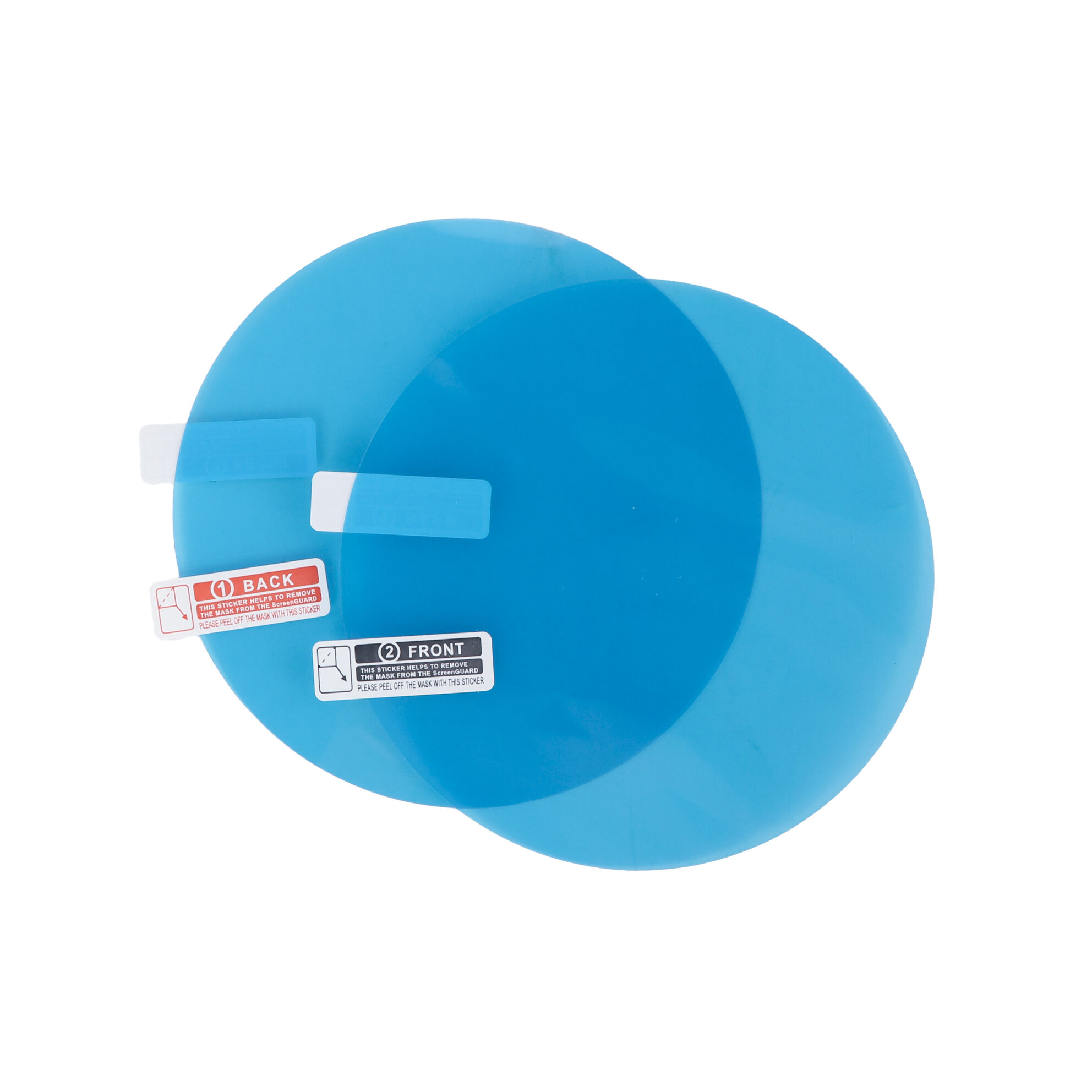
Traditional water repellent treatments often require frequent reapplication due to gradual degradation from UV exposure, abrasion, and chemical attack. Anti-rainproof film maintains consistent performance characteristics throughout its service life, which can extend from several months to multiple years depending on application conditions. The protective film shields underlying surfaces from direct environmental exposure while providing renewable protection through simple replacement procedures.
Cost-effectiveness becomes apparent when comparing long-term maintenance requirements between film-based protection and alternative methods. The initial investment in quality anti-rainproof film typically recovers costs through reduced cleaning frequency, decreased equipment downtime, and extended service intervals. Professional users report significant time savings during equipment preparation and post-use maintenance procedures.
Versatility and Customization Options
Anti-rainproof film technology accommodates diverse surface geometries and material types through advanced adhesive formulations. Curved surfaces, compound angles, and irregular shapes receive uniform protection through conformable film properties that adapt to three-dimensional contours. Custom cutting and sizing options ensure precise fit for specialized equipment configurations.
Manufacturing flexibility allows for integration of additional functional properties including anti-static characteristics, UV filtration, and enhanced impact resistance. Multi-layer constructions can incorporate specific performance features tailored to particular industry requirements or environmental challenges. The ability to combine multiple protective functions in a single film application reduces complexity and installation time compared to separate treatment processes.
Installation and Maintenance Considerations
Proper Application Techniques
Successful anti-rainproof film installation requires careful surface preparation to ensure optimal adhesion and performance longevity. Thorough cleaning removes contaminants that could interfere with bonding mechanisms, while proper ambient conditions during installation prevent air bubbles and edge lifting. Professional installation tools and techniques minimize waste while maximizing coverage efficiency across complex surface geometries.
Temperature and humidity control during application affects final performance characteristics and service life expectations. Controlled environments ensure proper chemical curing and adhesive activation, while field installation procedures must account for variable atmospheric conditions. Quality control measures verify complete coverage and proper edge sealing to prevent moisture ingress that could compromise film integrity.
Long-Term Performance Monitoring
Regular inspection protocols help identify early signs of film degradation or damage that could affect protective performance. Visual examination reveals edge lifting, surface scratches, or contamination buildup that may require attention. Performance testing through water contact angle measurements provides quantitative assessment of hydrophobic properties over time.
Replacement scheduling optimizes protection while minimizing unnecessary maintenance costs. Environmental exposure severity, equipment usage patterns, and performance requirements influence replacement intervals. Proactive replacement prevents protection gaps that could result in equipment damage or performance degradation during critical operations.
Industry-Specific Benefits and Case Studies
Automotive and Transportation Applications
Commercial vehicle operators utilize anti-rainproof film on side mirrors, cameras, and sensor systems to maintain automated safety functions during adverse weather. Fleet management benefits include reduced accident rates, improved driver confidence, and decreased maintenance requirements for visibility-related equipment. The transportation industry has documented measurable safety improvements when anti-rainproof film technology is properly implemented across vehicle fleets.
Aviation applications demonstrate critical performance advantages for aircraft windshields, navigation equipment, and ground support machinery. Anti-rainproof film maintains operational capability during weather delays while reducing cancellation rates due to visibility restrictions. The aerospace industry continues developing specialized formulations optimized for high-altitude conditions and extreme temperature variations.
Marine and Offshore Applications
Marine vessels operating in saltwater environments face unique challenges from corrosive spray and constant moisture exposure. Anti-rainproof film provides protection for navigation equipment, communication systems, and safety devices that must function reliably during emergency situations. Offshore platforms utilize specialized formulations designed to withstand hurricane-force winds and extended submersion periods.
Commercial fishing operations report improved safety and efficiency when visibility equipment remains clear during storm conditions. The film's salt-resistant properties prevent crystallization buildup that typically occurs with traditional protective methods. Research vessels and oceanographic equipment benefit from uninterrupted data collection capabilities regardless of surface weather conditions.
FAQ
How long does anti-rainproof film typically last on outdoor equipment
The service life of anti-rainproof film varies significantly based on environmental exposure conditions, equipment usage patterns, and film quality. High-quality formulations can maintain effective performance for 12 to 24 months under moderate conditions, while extreme environments may require replacement every 6 to 12 months. UV exposure, temperature cycling, and mechanical abrasion represent the primary factors affecting longevity. Regular performance monitoring helps optimize replacement timing to maintain consistent protection levels.
Can anti-rainproof film be applied to any type of surface material
Most modern anti-rainproof films are compatible with glass, polycarbonate, acrylic, and various plastic materials commonly used in outdoor equipment. However, surface energy characteristics and chemical compatibility must be considered for optimal adhesion and performance. Porous surfaces, heavily textured materials, and chemically treated surfaces may require specialized adhesive formulations or surface preparation techniques. Compatibility testing is recommended for critical applications or unusual substrate materials.
Does anti-rainproof film affect optical clarity or equipment performance
Quality anti-rainproof films maintain optical transmission rates exceeding 95% while actually improving visibility through reduced glare and enhanced contrast. The film's uniform thickness and advanced polymer formulations minimize optical distortion across the visible spectrum. Some specialized formulations incorporate anti-reflective properties that can improve optical performance compared to unprotected surfaces. Proper installation techniques ensure bubble-free application that maintains equipment accuracy and measurement precision.
What maintenance is required after installing anti-rainproof film
Anti-rainproof film requires minimal maintenance compared to traditional protective treatments. Regular cleaning with mild soap solutions or approved cleaning agents maintains optimal performance without damaging the protective coating. Avoid abrasive cleaners, petroleum-based solvents, or high-pressure washing that could compromise film integrity. Periodic inspection for edge lifting, surface damage, or contamination buildup helps identify replacement needs before protection is compromised. Most installations require no special tools or procedures for routine maintenance activities.

