
 EN
EN
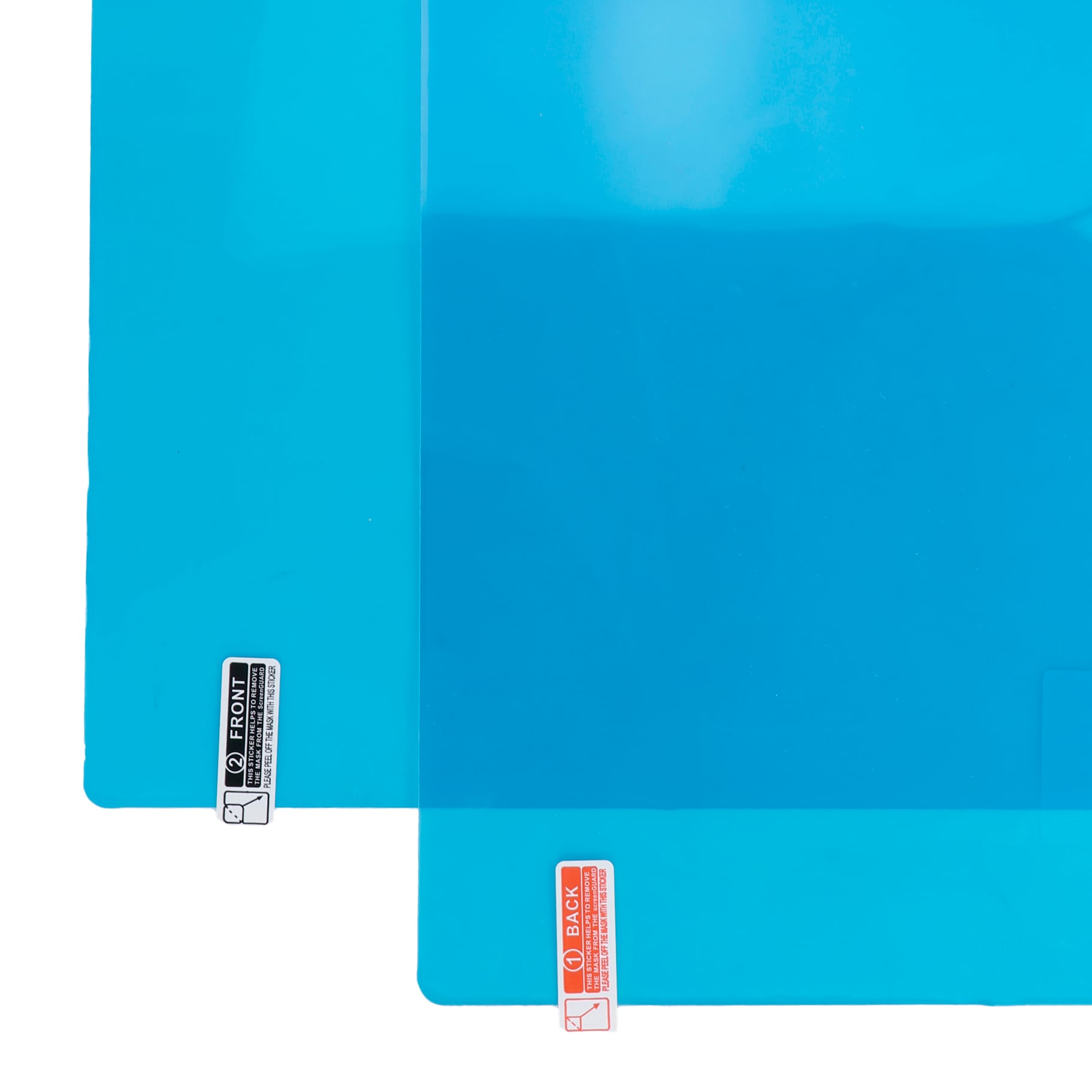
When outdoor equipment is exposed to rain, moisture intrusion becomes one of the most serious threats to both performance and user safety. A well-applied rainproof film creates a reliable protective barrier across surfaces that would otherwise absorb water, fog up, or degrade under continuous wet-weather exposure. Understanding exactly how rainproof film works helps equipment managers, safety officers, and outdoor professionals make better decisions about protective solutions.
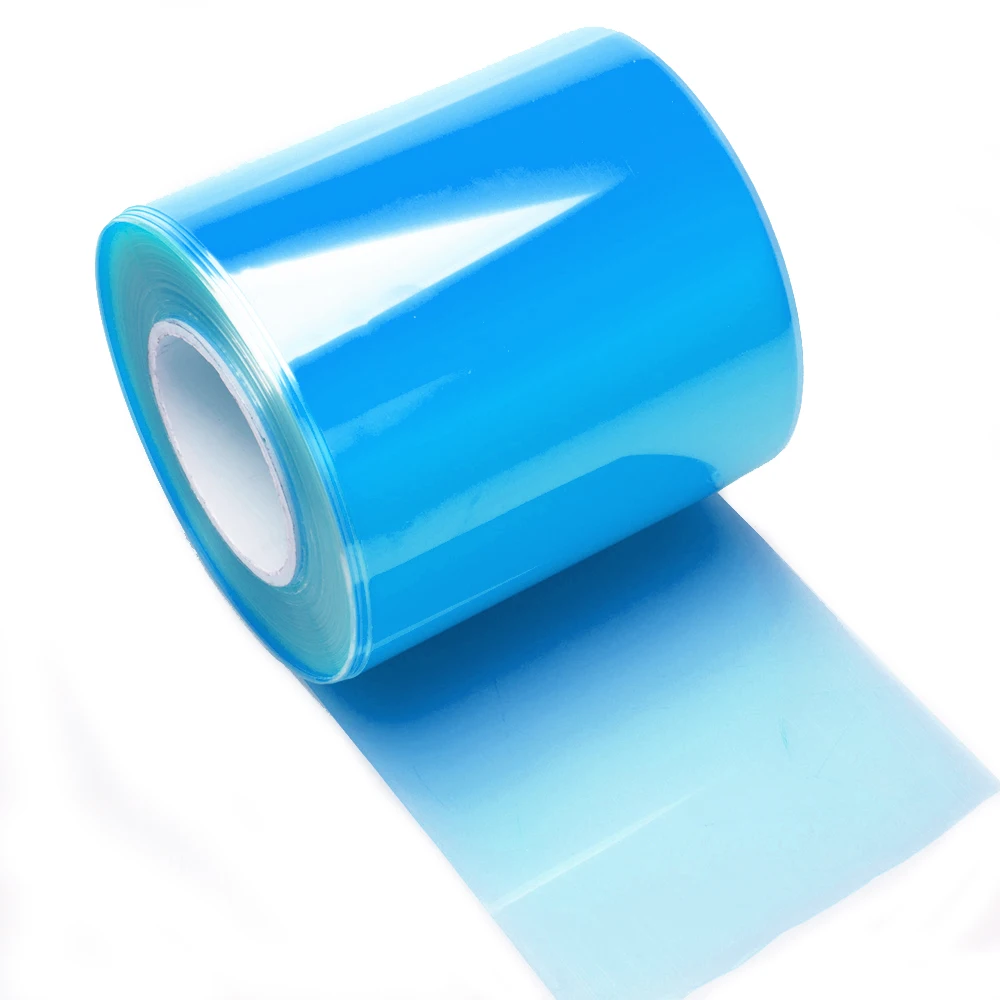
Customisable rainproof film is not simply a coating applied for appearance. It is an engineered protective layer designed to manage water behaviour on critical surfaces. Whether applied to helmet visors, optical lenses, instrument covers, or protective panels, rainproof film actively redirects water, reduces visual obstruction, and prevents the surface degradation that leads to unsafe conditions. This article explains the precise mechanisms behind rainproof film and how those mechanisms translate directly into improved outdoor equipment safety.
The Core Mechanism of Rainproof Film on Equipment Surfaces
How Rainproof Film Controls Water Behaviour
The primary function of rainproof film is to alter how water interacts with a surface. Standard uncoated surfaces tend to allow water to spread into thin, vision-obscuring sheets. Rainproof film uses hydrophobic technology to cause water droplets to bead and roll off the surface rapidly rather than spreading. This water-shedding behaviour is central to how rainproof film delivers its safety benefits. When water does not cling to a surface, the risk of moisture-related visual impairment drops significantly.
On helmet visors and protective eyewear, rainproof film maintains a clear line of sight even during heavy rain. For equipment operators working in outdoor construction, motorsport, cycling, or emergency response, this clarity directly supports decision-making and hazard avoidance. Rainproof film effectively converts a rain-covered surface into a self-clearing one, reducing the need for manual wiping and the distraction that comes with it.
Anti-Fog Integration Within Rainproof Film
Many customisable rainproof film products combine hydrophobic water-repelling properties with anti-fog functionality. Fogging occurs when warm, humid air contacts a cold surface, creating a layer of micro-droplets that scatter light and obscure vision. Rainproof film with anti-fog treatment prevents this condensation from forming into a vision-blocking layer by spreading moisture evenly and allowing it to dissipate quickly. This dual-function design makes rainproof film particularly valuable in environments where temperature fluctuates rapidly, such as mountain terrain or coastal industrial sites.
The combination of rain-shedding and anti-fog within a single rainproof film layer reduces the number of protective products needed while improving overall surface performance. Equipment users benefit from a simpler, more consistent protective solution that performs across a wider range of weather conditions.
How Customisable Rainproof Film Matches Specific Equipment Needs
Customisation for Size, Shape, and Surface Type
Not all outdoor equipment shares the same geometry or surface material. Customisable rainproof film addresses this by offering adaptable sizing, shape cutting, and adhesive formulations suited to different substrates. A rainproof film designed for a helmet visor must flex and conform to a curved surface without bubbling or peeling. A rainproof film applied to a flat instrument panel must resist edge lifting and maintain adhesion under sustained vibration or UV exposure.
The ability to customise rainproof film dimensions and adhesive type means that protective coverage can be precisely matched to the surface it protects. This precision eliminates the gaps and overlaps that reduce effectiveness, ensuring that every millimetre of critical surface receives the same level of rainproof film protection. For equipment procurement teams, customisable rainproof film reduces waste, improves application efficiency, and ensures consistent safety performance across an entire fleet or equipment range.
Mirror and Optical-Grade Rainproof Film for Visibility Safety
Certain outdoor applications demand not just water resistance but also optical clarity or reflective performance. Mirror-grade rainproof film is designed for surfaces such as helmet visors, motorcycle shields, and outdoor optical instruments where visual acuity is a direct safety factor. This type of rainproof film combines a high-clarity hydrophobic layer with a mirror or tinted finish that reduces glare while maintaining surface protection.
Reduced glare from a mirror-finish rainproof film means that users are not temporarily blinded by reflected sunlight during rain-wet conditions when reflections intensify. The safety benefit here is twofold: the rainproof film removes water obstruction while simultaneously managing light intensity. This makes mirror-grade rainproof film a preferred choice in motorsport helmets, cycling visors, and precision outdoor instruments where both water and light management are safety-critical.
Practical Safety Outcomes Delivered by Rainproof Film
Reducing Operator Distraction and Reaction Delay
One of the less visible but highly impactful ways rainproof film improves safety is by reducing operator distraction. When a visor or protective lens is covered in water streaks, users instinctively pause to wipe or adjust their equipment. In high-speed or high-risk environments, that pause carries real danger. Rainproof film eliminates the need for repeated manual clearing, keeping the user focused on their activity rather than their equipment.
Studies in motorsport and industrial safety have consistently shown that uninterrupted visual clarity reduces reaction delays during critical moments. Rainproof film contributes directly to this by maintaining surface clarity passively, without requiring user action. In practical terms, rainproof film means fewer distractions, faster responses, and reduced accident risk in wet outdoor conditions.
Long-Term Surface Integrity Under Weather Stress
Beyond immediate water-shedding, rainproof film also protects the underlying surface from long-term weather damage. Water penetration, UV degradation, and chemical residue from rain all contribute to surface clouding, cracking, or delamination over time. Rainproof film acts as a sacrificial protective layer, absorbing surface-level environmental stress so that the primary equipment surface remains structurally sound. This extends the functional life of the equipment and reduces the frequency of safety-related replacements. Regularly replacing worn rainproof film is far less costly and disruptive than replacing damaged visors, panels, or optical components. A consistent rainproof film maintenance schedule is therefore an economically and operationally sound safety strategy.
FAQ
How often should rainproof film be replaced on outdoor equipment?
The replacement interval for rainproof film depends on exposure intensity and usage frequency. For heavy daily outdoor use, rainproof film typically requires replacement every three to six months. In lighter or seasonal applications, rainproof film can remain effective for up to twelve months. Visual inspection for peeling, reduced water-beading performance, or surface hazing indicates that rainproof film has reached the end of its effective service life.
Can rainproof film be applied to all types of visor materials?
Most customisable rainproof film products are compatible with polycarbonate, acrylic, and tempered glass surfaces commonly used in outdoor equipment visors and protective panels. It is important to select a rainproof film adhesive formulation that matches the substrate. Applying an incompatible rainproof film can cause surface yellowing or adhesion failure, so consulting the product specification sheet before application is recommended.
Does rainproof film affect the optical clarity of helmet visors?
High-quality optical-grade rainproof film is engineered to maintain full visual transparency without introducing distortion, colour shift, or reduced light transmission beyond the intended tint level. When properly applied, rainproof film should be virtually undetectable to the wearer in terms of optical performance. In fact, by eliminating water streaks and fog, rainproof film typically improves the effective visual clarity experienced by the user compared to an unprotected surface.

