
 EN
EN
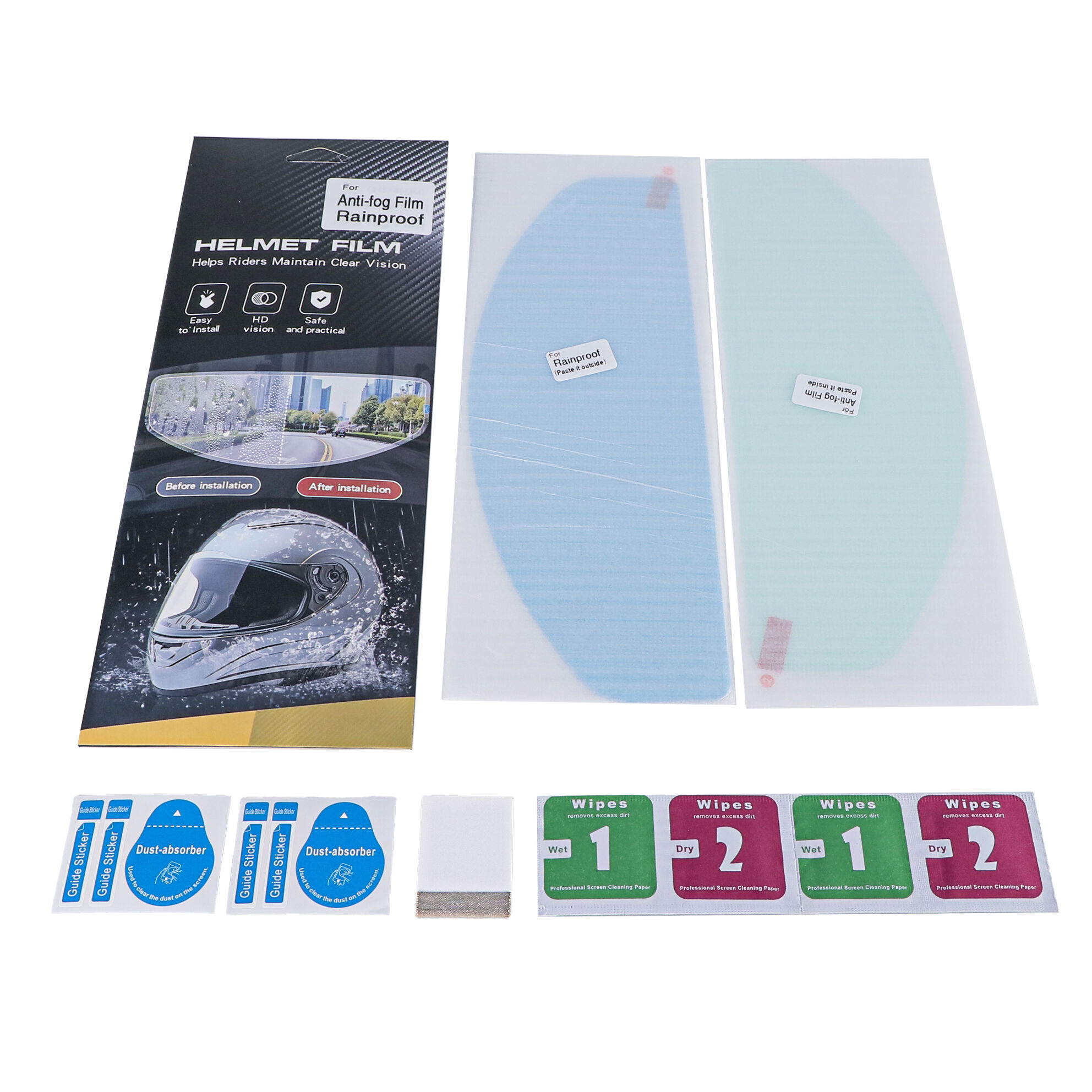
When users write or draw on a tablet screen, the experience rarely feels as natural as pen on paper. That gap between digital and analog input is exactly what paper feeling handwriting film is designed to bridge. By applying a specially engineered surface layer to a touchscreen, paper feeling handwriting film transforms the way a stylus or finger interacts with the display, delivering tactile feedback that closely mimics the sensation of writing on real paper.
The growing adoption of tablets in education, design, and professional note-taking has made user experience a critical differentiator. Paper feeling handwriting film addresses several friction points at once, from screen glare to stylus slip, offering a more controlled and satisfying input experience. Understanding how paper feeling handwriting film works and why it matters helps buyers and designers make smarter decisions about their devices and accessories.
The Core Mechanism of Paper Feeling Handwriting Film
Surface Texture and Tactile Resistance
The defining feature of paper feeling handwriting film is its micro-textured surface. Unlike a standard glossy screen protector, paper feeling handwriting film uses a precisely engineered matte texture that creates gentle resistance against a stylus tip. This resistance replicates the friction a pen experiences when dragging across paper fibers, making strokes feel grounded and deliberate. When users apply paper feeling handwriting film to their tablet, they immediately notice the difference in how controlled each stroke feels.
This tactile feedback is not purely psychological. Paper feeling handwriting film physically slows the stylus micro-movements that cause unintended line drift on smooth glass. The result is cleaner handwriting, more accurate illustration lines, and a more confident writing posture. For students and professionals who spend long hours taking notes digitally, paper feeling handwriting film reduces the mental effort required to control each stroke.
Anti-Glare Properties and Visual Comfort
Paper feeling handwriting film also incorporates anti-glare treatment into its surface structure. The matte texture that creates tactile resistance simultaneously diffuses ambient light, cutting reflections that would otherwise strain the eyes. Users working under office lighting or near windows benefit significantly from paper feeling handwriting film because the screen remains legible without requiring brightness adjustments. This visual comfort directly contributes to longer, more productive writing sessions.
High-sensitivity paper feeling handwriting film is engineered to preserve touch accuracy even through its matte coating. This means the anti-glare layer does not degrade stylus pressure sensitivity or palm rejection performance. Paper feeling handwriting film maintains the full responsiveness of the screen while simultaneously improving how that screen looks and feels to the user.
How Paper Feeling Handwriting Film Enhances Writing Precision
Stylus Control and Line Accuracy
Precision is the most frequently cited benefit when users describe their experience with paper feeling handwriting film. On a bare glass surface, styluses tend to slide too freely, making it difficult to maintain consistent stroke width and direction. Paper feeling handwriting film introduces just enough drag to give the stylus a 'grip' point on the surface. This grip translates directly into steadier lines, rounder curves, and more legible handwriting at smaller font sizes.
Digital artists also benefit significantly from paper feeling handwriting film. When sketching or inking, the micro-texture of paper feeling handwriting film provides the kind of surface feedback that artists rely on to gauge pressure and angle. The film does not simply replicate the look of paper; it replicates the physical interaction dynamics that make drawing on paper feel intuitive. Paper feeling handwriting film is therefore not just a comfort upgrade but a functional tool for creative output quality.
Reducing Fatigue During Extended Use
Extended writing sessions on smooth glass screens cause significant hand and wrist fatigue because users unconsciously over-grip their stylus to compensate for the lack of surface resistance. Paper feeling handwriting film eliminates this compensation behavior. With paper feeling handwriting film installed, users apply less force to maintain control, which reduces cumulative strain over hours of use. This ergonomic benefit is particularly important for professionals who annotate documents, sign contracts digitally, or teach online using a tablet stylus.
The fatigue-reduction effect of paper feeling handwriting film also improves the quality of output later in a session. When a user begins to tire, the natural surface resistance of paper feeling handwriting film continues to support accurate strokes even as grip strength decreases. This consistency makes paper feeling handwriting film a practical productivity tool, not merely an aesthetic accessory.
Application Scenarios Where Paper Feeling Handwriting Film Adds the Most Value
Education and Note-Taking Environments
In educational settings, paper feeling handwriting film has become increasingly popular among students who take handwritten notes on tablets. Research consistently shows that handwritten notes improve retention compared to typed notes, and paper feeling handwriting film makes handwriting on a tablet feel natural enough to preserve this cognitive advantage. Paper feeling handwriting film essentially allows students to combine the organizational benefits of digital tools with the memory benefits of analog handwriting.
Teachers and lecturers who annotate slides or write on digital whiteboards also find paper feeling handwriting film highly effective. The improved control that paper feeling handwriting film provides means annotations are cleaner and more readable for students viewing them on a screen. Paper feeling handwriting film supports clearer communication in live digital teaching environments.
Creative and Professional Design Work
Graphic designers, illustrators, and architects who use tablets for drafting or ideation rely on paper feeling handwriting film to produce higher-quality sketches. The surface texture of paper feeling handwriting film supports hatching, shading, and fine line work in ways that glass alone cannot. Paper feeling handwriting film is also valued in contract and legal environments where signatures must appear fluid and natural rather than digitally mechanical.
For any professional workflow that involves frequent stylus use, paper feeling handwriting film reduces the learning curve of transitioning from paper-based to digital-based work. Paper feeling handwriting film shortens adaptation time, which has measurable impact on productivity when teams or organizations shift to tablet-based documentation systems. The overall user experience improvement delivered by paper feeling handwriting film spans tactile, visual, and ergonomic dimensions simultaneously.
FAQ
Does paper feeling handwriting film affect display clarity?
Paper feeling handwriting film does reduce peak screen brightness slightly due to its matte anti-glare surface, but the trade-off is generally considered worthwhile. Most users find that paper feeling handwriting film actually improves readability in bright environments by eliminating reflections, even if the raw color saturation is marginally reduced compared to a bare glass screen.
How long does paper feeling handwriting film last before needing replacement?
The lifespan of paper feeling handwriting film depends on usage frequency and stylus tip hardness. Heavy daily users may find that paper feeling handwriting film shows wear on the texture surface after several months, as the micro-texture gradually smooths with repeated stylus contact. Replacing paper feeling handwriting film periodically is recommended to maintain consistent tactile performance.
Is paper feeling handwriting film compatible with all stylus types?
Paper feeling handwriting film is compatible with most active and passive styluses used on capacitive touchscreens. However, very hard stylus tips may accelerate wear on the film surface. Paper feeling handwriting film performs best with standard soft or medium-hardness stylus tips, which preserve both the film's texture and the screen's sensitivity over extended use.

