
 EN
EN
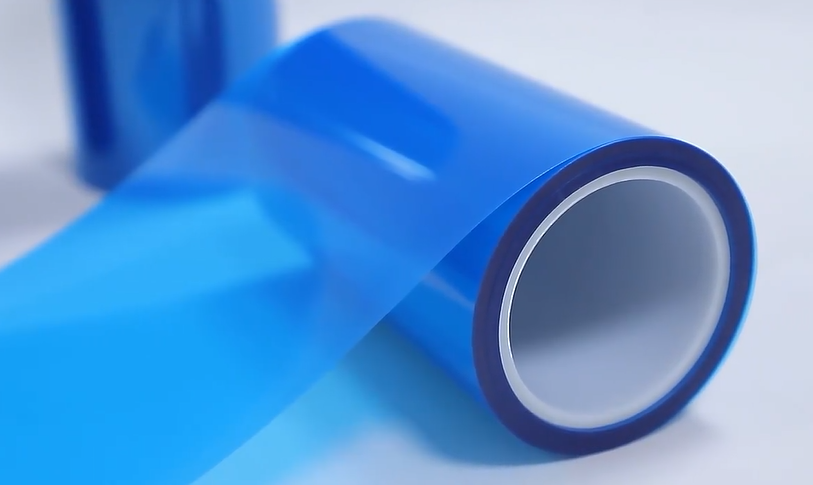
The TPH hydrogel membrane has become one of the most technically sophisticated materials available for screen and surface protection in modern consumer electronics and industrial device markets. As devices grow thinner and displays become more sensitive, the need for a protection layer that can absorb impact, resist surface damage, and conform to complex shapes has become critical. The TPH hydrogel membrane meets all of these needs through a precise combination of polymer chemistry and multilayer engineering.
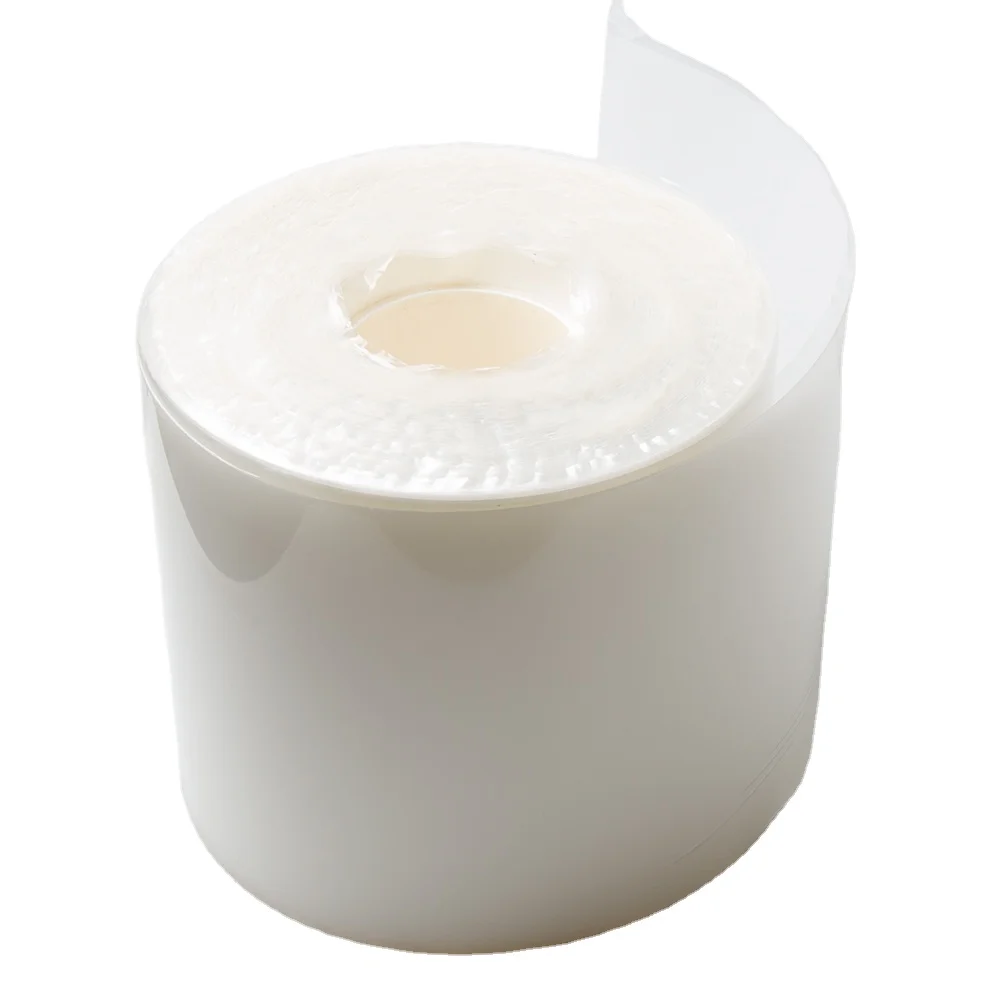
Understanding how the TPH hydrogel membrane supports both anti-scratch and shock protection requires a look at its physical structure and how each layer functions under real-world stress conditions. The TPH hydrogel membrane is not a single-layer film. It is a composite material that relies on the interaction between a thermoplastic polyurethane base, a hydrogel-infused middle layer, and a pressure-sensitive adhesive system. Each component of the TPH hydrogel membrane plays a defined role in delivering surface resilience and impact absorption simultaneously.
The Structural Mechanics Behind TPH Hydrogel Membrane
How the Polymer Matrix Resists Surface Scratching
The anti-scratch performance of a TPH hydrogel membrane begins with the self-healing capability embedded in its hydrogel polymer matrix. When minor abrasions or surface scratches occur, the TPH hydrogel membrane responds by redistributing its molecular chains back toward the damaged area. This process, driven by the elastic memory of the hydrogel network, allows the TPH hydrogel membrane to recover surface smoothness within a short period of time under ambient or slightly elevated temperatures. The result is a material that actively resists the visible accumulation of micro-scratches over time.
The surface hardness of a TPH hydrogel membrane is carefully calibrated to balance scratch resistance and flexibility. A rigid surface would resist scratches but would crack under bending stress. The TPH hydrogel membrane resolves this conflict by using a hardness level that deflects sharp contact forces while retaining enough elasticity to flex without fracturing. This balance is essential for curved-edge screen applications where the TPH hydrogel membrane must maintain adhesion and protection across non-flat surfaces.
Energy Dissipation and Impact Absorption in TPH Hydrogel Membrane
Shock protection in a TPH hydrogel membrane is achieved through controlled energy dissipation across its multilayer structure. When an impact force is applied to the surface, the TPH hydrogel membrane spreads that energy laterally rather than transmitting it directly to the protected surface beneath. The hydrogel-infused layer inside the TPH hydrogel membrane acts as a viscoelastic buffer, converting kinetic energy from drops or sharp impacts into heat that dissipates harmlessly. This mechanism makes the TPH hydrogel membrane significantly more effective at shock absorption than conventional PET-based films of comparable thickness.
Application Performance of TPH Hydrogel Membrane in Real Conditions
Conformability and Adhesion on Curved Surfaces
One of the most practical advantages of the TPH hydrogel membrane is its ability to conform tightly to irregular or curved surface geometries without lifting, bubbling, or wrinkling. The pressure-sensitive adhesive layer of the TPH hydrogel membrane is engineered to provide strong bonding to glass and coated substrates while remaining residue-free upon removal. This makes the TPH hydrogel membrane especially suitable for full-coverage application on devices with curved displays, where edge adhesion failure is a common weakness of rigid glass alternatives.
The TPH hydrogel membrane also maintains its protective properties across a wide operational temperature range. In both hot and cold environments, the TPH hydrogel membrane retains its viscoelastic characteristics without becoming brittle or excessively soft. This thermal stability ensures that the TPH hydrogel membrane continues to deliver consistent anti-scratch and shock resistance regardless of the ambient conditions in which the protected device is being used.
Optical Clarity and Anti-Glare Properties of TPH Hydrogel Membrane
Beyond mechanical protection, the TPH hydrogel membrane is designed to preserve the visual quality of the display it protects. High-transmittance versions of the TPH hydrogel membrane allow light to pass through with minimal distortion, ensuring that display colors and sharpness remain intact. Anti-glare variants of the TPH hydrogel membrane apply a matte surface treatment that diffuses reflected ambient light, reducing eye strain without significantly reducing display brightness. This makes the TPH hydrogel membrane a versatile choice for both indoor consumer applications and outdoor industrial display protection.
Why TPH Hydrogel Membrane Outperforms Single-Layer Film Alternatives
Comparing TPH Hydrogel Membrane to Standard TPU Films
Standard TPU films offer flexibility and moderate scratch resistance but lack the self-healing capability and enhanced shock absorption that define the TPH hydrogel membrane. The hydrogel component within the TPH hydrogel membrane introduces a molecular recovery mechanism that standard TPU cannot replicate. When tested under repeated abrasion cycles, the TPH hydrogel membrane consistently shows better surface recovery than single-layer TPU, making it the preferred choice for high-usage devices exposed to daily wear and environmental stress.
The adhesion system of the TPH hydrogel membrane is also more advanced than what is found in basic TPU protection films. The TPH hydrogel membrane uses a silicone or acrylic pressure-sensitive adhesive tuned to provide strong initial tack without permanent bonding, allowing repositioning during installation. This feature reduces application errors and material waste, which is important for B2B buyers sourcing the TPH hydrogel membrane in roll form for manufacturing or distribution purposes.
Long-Term Durability of TPH Hydrogel Membrane in Commercial Use
For commercial-scale applications, the TPH hydrogel membrane offers a durability profile that justifies its position as a premium protection material. The TPH hydrogel membrane resists yellowing, maintains optical clarity over extended use, and does not degrade under UV exposure as rapidly as lower-cost film alternatives. Buyers sourcing the TPH hydrogel membrane for product packaging, retail display kits, or OEM screen protection programs benefit from a material that maintains its performance characteristics throughout the product lifecycle.
FAQ
What makes TPH hydrogel membrane different from tempered glass protectors?
The TPH hydrogel membrane is flexible and self-healing, while tempered glass is rigid and non-recoverable once cracked. The TPH hydrogel membrane conforms to curved surfaces and absorbs impact through energy dissipation, whereas tempered glass transfers shock directly. For full-coverage protection on modern curved displays, the TPH hydrogel membrane provides a more adaptable and durable solution than glass alternatives.
Can TPH hydrogel membrane be used for industrial device protection?
Yes, the TPH hydrogel membrane is well-suited for industrial device protection due to its thermal stability, strong surface adhesion, and resistance to repeated mechanical stress. Industrial devices often face more demanding physical environments than consumer electronics, and the TPH hydrogel membrane is available in anti-glare and high-hardness variants that address these specific requirements. Sourcing the TPH hydrogel membrane in bulk roll format also supports cost-effective integration into industrial production lines.
How should TPH hydrogel membrane be applied to avoid bubbles or misalignment?
Applying the TPH hydrogel membrane correctly requires a clean, dust-free surface and a slow, even pressing technique from the center outward. Because the TPH hydrogel membrane has repositionable adhesive, minor misalignments can be corrected by gently lifting and reapplying the film before full adhesion sets. Using a soft squeegee tool during application helps the TPH hydrogel membrane conform smoothly to the surface and eliminates trapped air pockets for a clear, bubble-free finish.

