
 EN
EN
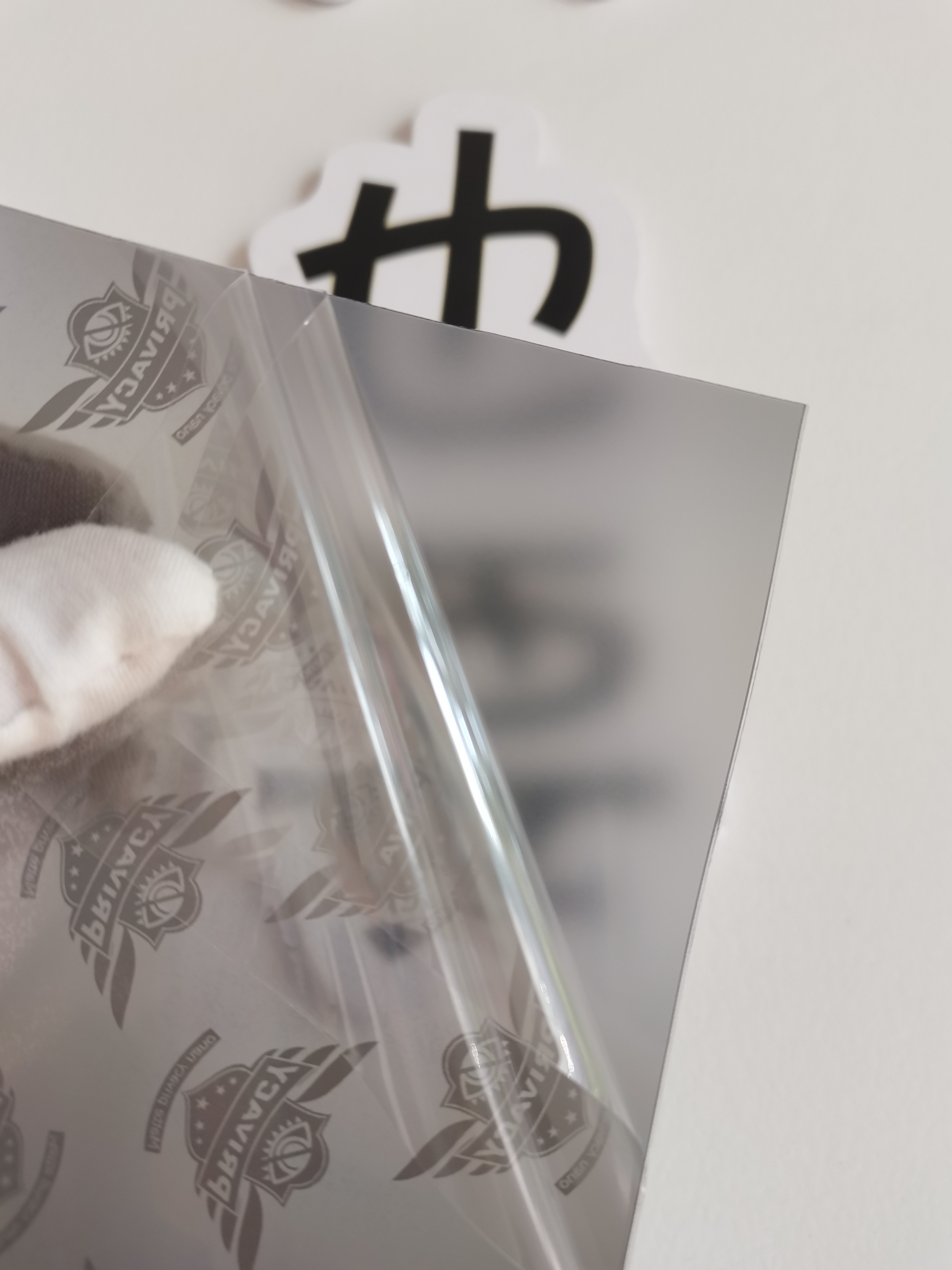
Smartphone screens are among the most vulnerable components of any mobile device, constantly exposed to drops, scratches, and daily wear. Manufacturers and consumers alike have been searching for a reliable solution that goes beyond rigid glass protectors, and TPU hydrogel film has emerged as one of the most effective answers. Unlike brittle tempered glass, TPU hydrogel film offers a unique combination of flexibility, toughness, and self-recovery that fundamentally changes how smartphone screens handle everyday stress.
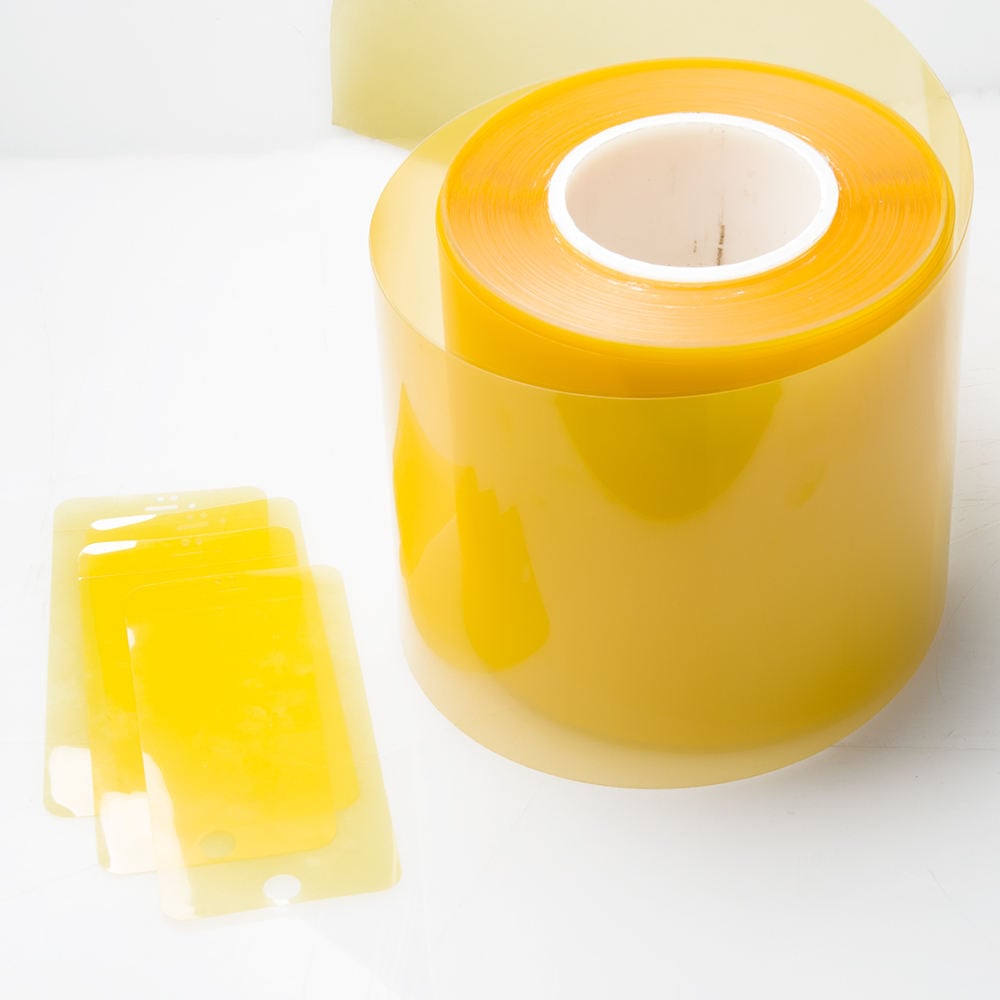
Understanding how TPU hydrogel film actually improves durability requires looking at its material science, its physical behavior under stress, and its long-term performance on modern smartphone screens. TPU hydrogel film is not simply a thin plastic layer. It is an engineered thermoplastic polyurethane membrane with hydrogel-based properties that allow it to absorb, redistribute, and recover from physical forces that would crack or shatter standard screen protectors. This article breaks down each mechanism that makes TPU hydrogel film such a significant upgrade for screen protection.
The Material Science Behind TPU Hydrogel Film
Thermoplastic Polyurethane and Hydrogel Properties Combined
TPU hydrogel film draws its core strength from thermoplastic polyurethane, a polymer known for exceptional elasticity and tensile resistance. When hydrogel characteristics are incorporated into the TPU matrix, the resulting TPU hydrogel film gains the ability to stretch significantly without tearing. This elasticity is not simply cosmetic. It allows TPU hydrogel film to conform tightly to curved or flat screen surfaces, eliminating air pockets and edge-lifting issues that plague stiffer protectors. The molecular structure of TPU hydrogel film distributes applied pressure across a wider surface area rather than concentrating it at a single stress point, which is precisely how it prevents localized screen damage.
Optical Clarity and Surface Coating Technology
High-quality TPU hydrogel film is manufactured with multi-layer coating technology that preserves full optical transparency. The outer coating of TPU hydrogel film is engineered to minimize glare and diffuse fingerprint smudges without affecting touch sensitivity. Because TPU hydrogel film adheres directly to the screen surface using silicone-based adhesive layers, it does not interfere with the capacitive responsiveness of the display. Users experience no loss in swipe accuracy or tap precision when TPU hydrogel film is properly applied. This combination of visual clarity and touch performance makes TPU hydrogel film far more functional than alternatives that sacrifice usability for protection.
How TPU Hydrogel Film Absorbs and Disperses Impact
Shock Absorption Through Elastic Deformation
When a smartphone is dropped or struck, the energy from the impact travels directly toward the screen. TPU hydrogel film intercepts this energy by undergoing elastic deformation, meaning the film temporarily bends and compresses to absorb the force. This is a critical distinction between TPU hydrogel film and tempered glass. Glass transmits impact energy rigidly and often shatters at the point of contact. TPU hydrogel film, by contrast, flexes and redirects that energy outward, reducing the concentrated force that reaches the actual display panel beneath. This elastic shock absorption is one of the primary reasons TPU hydrogel film extends the usable life of smartphone screens in real-world conditions.
Scratch Resistance and Surface Recovery
The outer surface of TPU hydrogel film is rated to resist fine scratches from keys, coins, and daily abrasive contact. What sets TPU hydrogel film apart from standard scratch-resistant films is its self-healing capability. Minor surface scratches on TPU hydrogel film gradually disappear over time as the polymer chains in the film realign under ambient temperature or mild warmth. This self-repair function means TPU hydrogel film maintains a cleaner appearance and continues providing consistent scratch resistance long after initial application. For high-use devices, this sustained surface performance makes TPU hydrogel film a more economical and reliable choice over time.
Long-Term Durability Advantages of TPU Hydrogel Film
Resistance to Environmental and Chemical Stress
TPU hydrogel film is designed to withstand more than just physical impact. Its polyurethane composition provides inherent resistance to moisture, UV exposure, and common chemical agents such as cleaning solutions and mild solvents. Standard plastic films degrade and yellow under UV light, but TPU hydrogel film maintains its transparency and mechanical integrity over extended use periods. This environmental resilience makes TPU hydrogel film suitable for outdoor-use devices and industrial handheld equipment where screens face harsh operational conditions. The adhesive layer of TPU hydrogel film also resists humidity-driven delamination, which is a common failure point for cheaper screen protectors.
Edge and Corner Protection Enabled by Film Flexibility
The edges and corners of a smartphone screen are statistically the most impact-prone areas during drops. TPU hydrogel film extends naturally around curved screen edges, creating a continuous protective layer that rigid glass cannot replicate without compromise. This full-coverage characteristic of TPU hydrogel film means that corner impacts, which account for a large proportion of real-world screen cracks, are met with the same elastic absorption as central impacts. The film's flexibility also ensures it will not pop off or crack along its own edges when the device flexes slightly under grip pressure, a common weakness of glass-based protectors that TPU hydrogel film avoids entirely.
FAQ
How long does TPU hydrogel film last on a smartphone screen?
With proper application and normal usage, TPU hydrogel film typically maintains its protective and optical properties for six to twelve months. The self-healing surface of TPU hydrogel film helps extend its appearance quality, though replacement is recommended if deep gouges or persistent lifting occur at the edges.
Can TPU hydrogel film be applied to curved screens?
Yes, TPU hydrogel film is specifically well-suited for curved and edge-to-edge displays. Its inherent flexibility allows TPU hydrogel film to conform to 2.5D and 3D screen profiles without bubbling or lifting, making it a preferred choice for modern full-screen smartphone designs.
Is TPU hydrogel film better than tempered glass for screen protection?
TPU hydrogel film and tempered glass serve different protection priorities. TPU hydrogel film excels at impact dispersion, flexibility, edge coverage, and self-healing, while tempered glass offers greater surface hardness. For users who prioritize overall durability and curved screen compatibility, TPU hydrogel film is generally the more versatile option.

