
 EN
EN
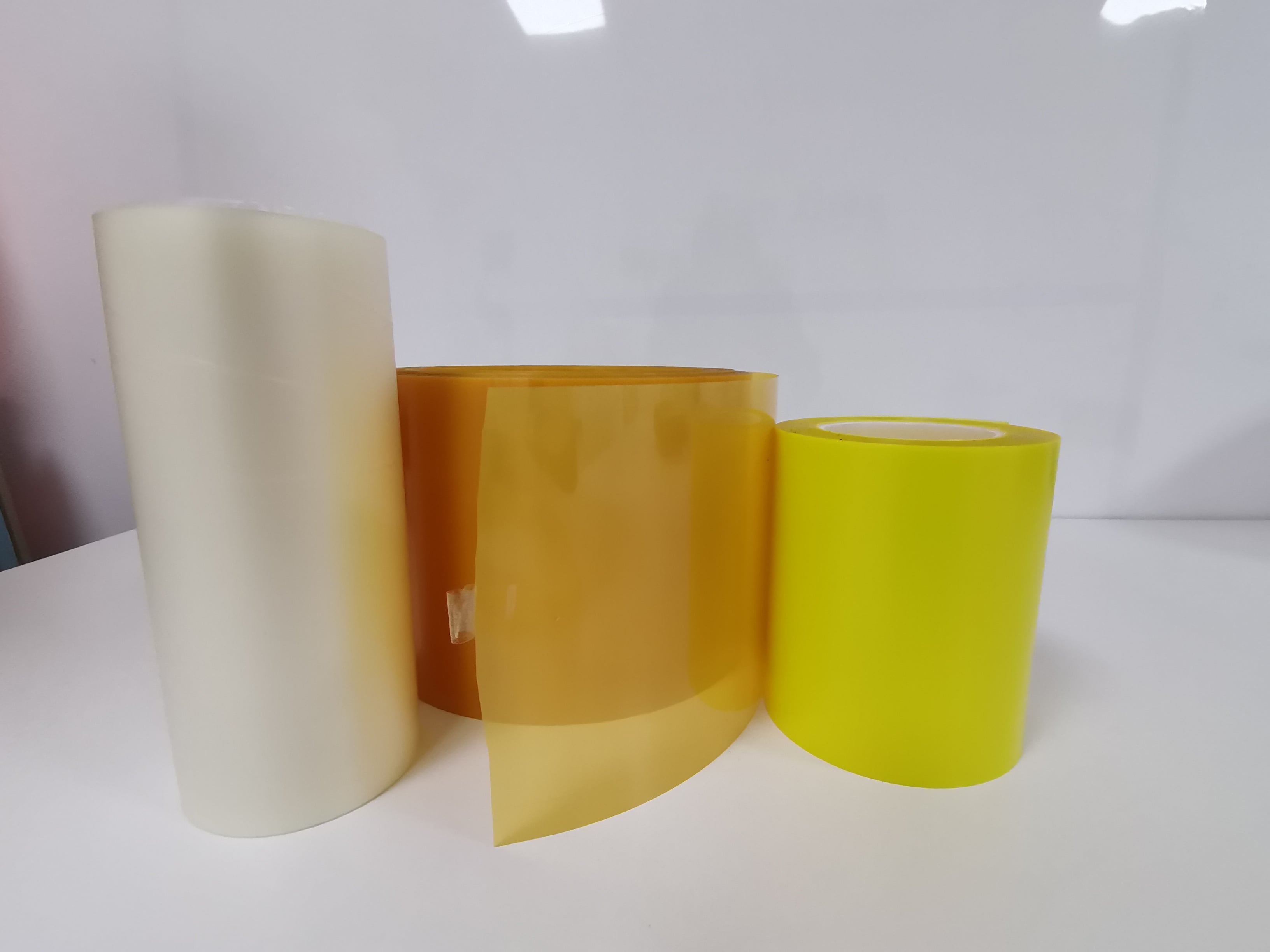
The TPU hydrogel membrane has become one of the most recognized materials in the mobile device protection industry. As smartphone screens grow larger and more sophisticated, the demand for a reliable, flexible, and optically clear protective layer has pushed TPU hydrogel membrane to the forefront of consumer and industrial purchasing decisions. Understanding why this material dominates the market helps buyers, distributors, and product developers make smarter sourcing choices.
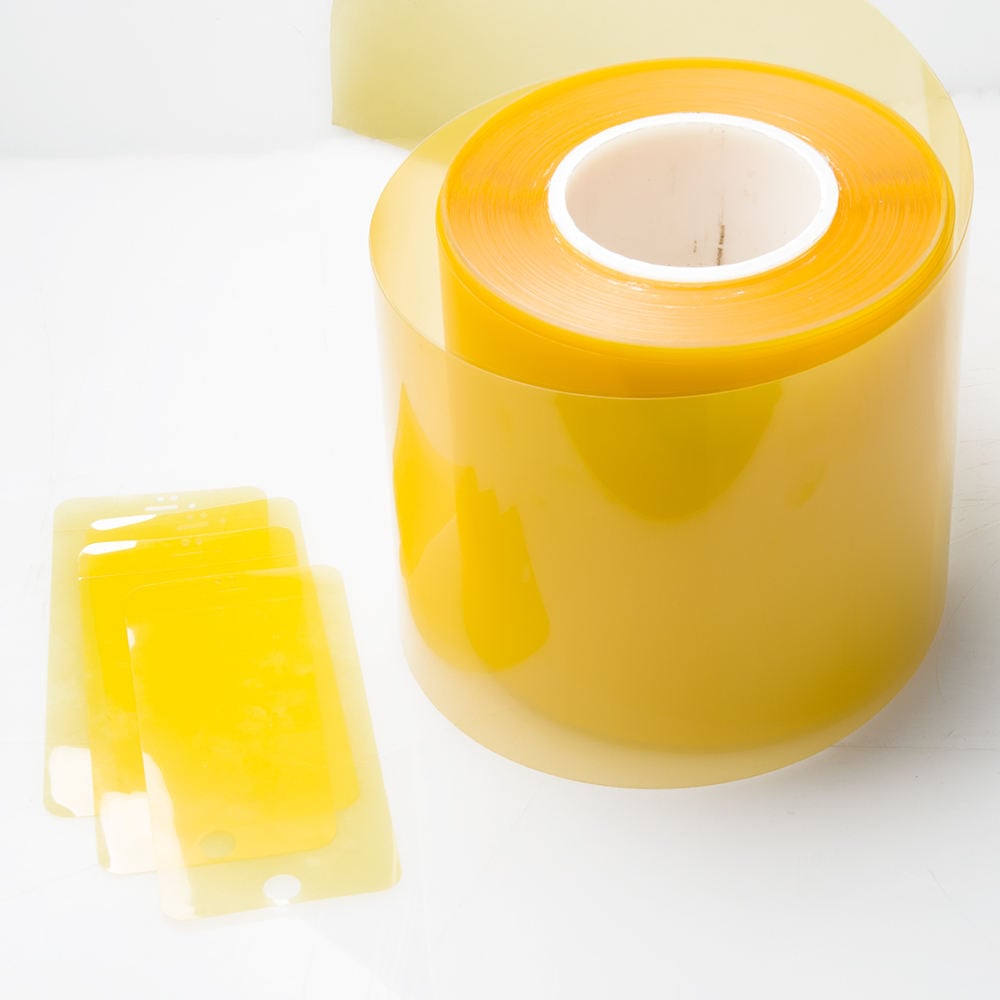
Unlike traditional tempered glass or rigid plastic films, a TPU hydrogel membrane brings a combination of mechanical resilience, surface adaptability, and self-recovery properties that no other single material can match in the screen protector category. This article examines the core reasons why TPU hydrogel membrane continues to gain popularity across global mobile device markets, from entry-level handsets to flagship smartphones.
The Material Science Behind TPU Hydrogel Membrane
Unique Composition That Sets It Apart
A TPU hydrogel membrane is engineered from thermoplastic polyurethane combined with a hydrogel-based coating layer. This structure gives TPU hydrogel membrane a distinctive softness and elasticity that allows it to conform naturally to curved or flat screen surfaces without leaving gaps or bubbles. The molecular flexibility of TPU hydrogel membrane means it can stretch, bend, and return to its original shape under normal use conditions. Manufacturers producing screen protector rolls rely on this property to deliver consistent, bubble-free application at scale.
Self-Healing Capability as a Core Advantage
One of the most celebrated features of TPU hydrogel membrane is its self-healing surface behavior. When the TPU hydrogel membrane receives minor scratches from daily contact — such as keys, fingernails, or dust particles — the material gradually recovers its smooth surface over time without any intervention. This self-healing characteristic directly extends the visual and functional lifespan of a TPU hydrogel membrane protector. For end consumers, this means sustained clarity and appearance long after installation. For businesses supplying screen protection products, offering TPU hydrogel membrane provides a tangible competitive advantage over standard films that show permanent scratches quickly.
Why TPU Hydrogel Membrane Outperforms Competing Materials
Flexibility and Full-Coverage Installation
Rigid tempered glass cannot conform to the edge-to-edge curved designs common in modern smartphones. A TPU hydrogel membrane, by contrast, stretches and adheres across the entire screen surface including curved edges. This full-coverage ability makes TPU hydrogel membrane the preferred material for devices with 2.5D and 3D curved screens. Installation of TPU hydrogel membrane typically involves wet or dry application methods that allow precise alignment before the material self-adheres to the screen. The result is a seamless, invisible layer of protection that does not interfere with touch sensitivity or display resolution. TPU hydrogel membrane also supports cutouts for fingerprint sensors and front cameras without compromising the structural integrity of the film.
Optical Clarity and Touch Response Preservation
Display quality is non-negotiable for smartphone users. TPU hydrogel membrane is engineered to transmit light with minimal distortion, preserving the original color accuracy and brightness of the underlying display. High-quality TPU hydrogel membrane maintains an optical clarity level that rivals bare glass, ensuring users experience no loss in visual performance. At the same time, TPU hydrogel membrane does not interfere with capacitive touch sensitivity, allowing multi-finger gestures, stylus input, and haptic feedback to function exactly as designed. This combination of optical and tactile performance transparency is a key reason why device manufacturers and accessory suppliers consistently specify TPU hydrogel membrane in their product lines.
Business and Market Drivers Fueling TPU Hydrogel Membrane Demand
Scalable Production and Wholesale Availability
TPU hydrogel membrane is manufactured and supplied in roll format, which makes it highly efficient for wholesale distribution and downstream cutting operations. Businesses that purchase TPU hydrogel membrane rolls can use automated cutting plotters to produce custom sizes for any device model without retooling. This flexibility drastically reduces inventory complexity and enables rapid response to new smartphone releases. The adhesive layer in a standard TPU hydrogel membrane is pre-applied during manufacturing, which simplifies the production process for accessory brands and private-label businesses. As a result, TPU hydrogel membrane has become a foundational material for screen protector businesses operating at scale.
Consumer Awareness and Perceived Value
Market adoption of TPU hydrogel membrane has also accelerated because consumers increasingly understand the difference between basic plastic films and advanced protective materials. Buyers who have experienced the self-healing, scratch-resistance, and soft-touch feel of TPU hydrogel membrane are unlikely to return to inferior alternatives. This strong repeat-purchase behavior supports long-term demand for TPU hydrogel membrane across retail, e-commerce, and B2B channels. Additionally, TPU hydrogel membrane is available in multiple surface finishes — including clear, matte, privacy, and color-tinted options — giving distributors and retailers the ability to serve diverse consumer segments from a single material platform. The versatility of TPU hydrogel membrane continues to drive its expansion into new device categories beyond smartphones, including tablets, smartwatches, and portable gaming devices.
FAQ
How does a TPU hydrogel membrane differ from tempered glass?
A TPU hydrogel membrane is a flexible, self-healing film that conforms to curved surfaces and absorbs impact through elasticity. Tempered glass is rigid and provides strong puncture resistance but cannot cover curved edges fully and will crack under sufficient impact. TPU hydrogel membrane offers superior flexibility and longevity for everyday scratch protection, while tempered glass provides harder surface resistance in specific use cases.
Is TPU hydrogel membrane suitable for wholesale purchasing?
Yes. TPU hydrogel membrane is widely available in roll format for wholesale buyers, allowing businesses to cut custom sizes for any device model. The standardized adhesive backing and consistent material properties of TPU hydrogel membrane make it an efficient and cost-effective choice for screen protector manufacturers, distributors, and private-label brands operating at medium to high volume.
Can TPU hydrogel membrane be used on tablets and wearables?
Absolutely. TPU hydrogel membrane is not limited to smartphones. Its flexibility, optical clarity, and self-healing properties make TPU hydrogel membrane equally well-suited for tablets, smartwatch screens, fitness trackers, and other portable electronic devices. The ability to cut TPU hydrogel membrane to any shape or dimension from a roll makes it a universal protective solution across the consumer electronics protection category.

