
 EN
EN
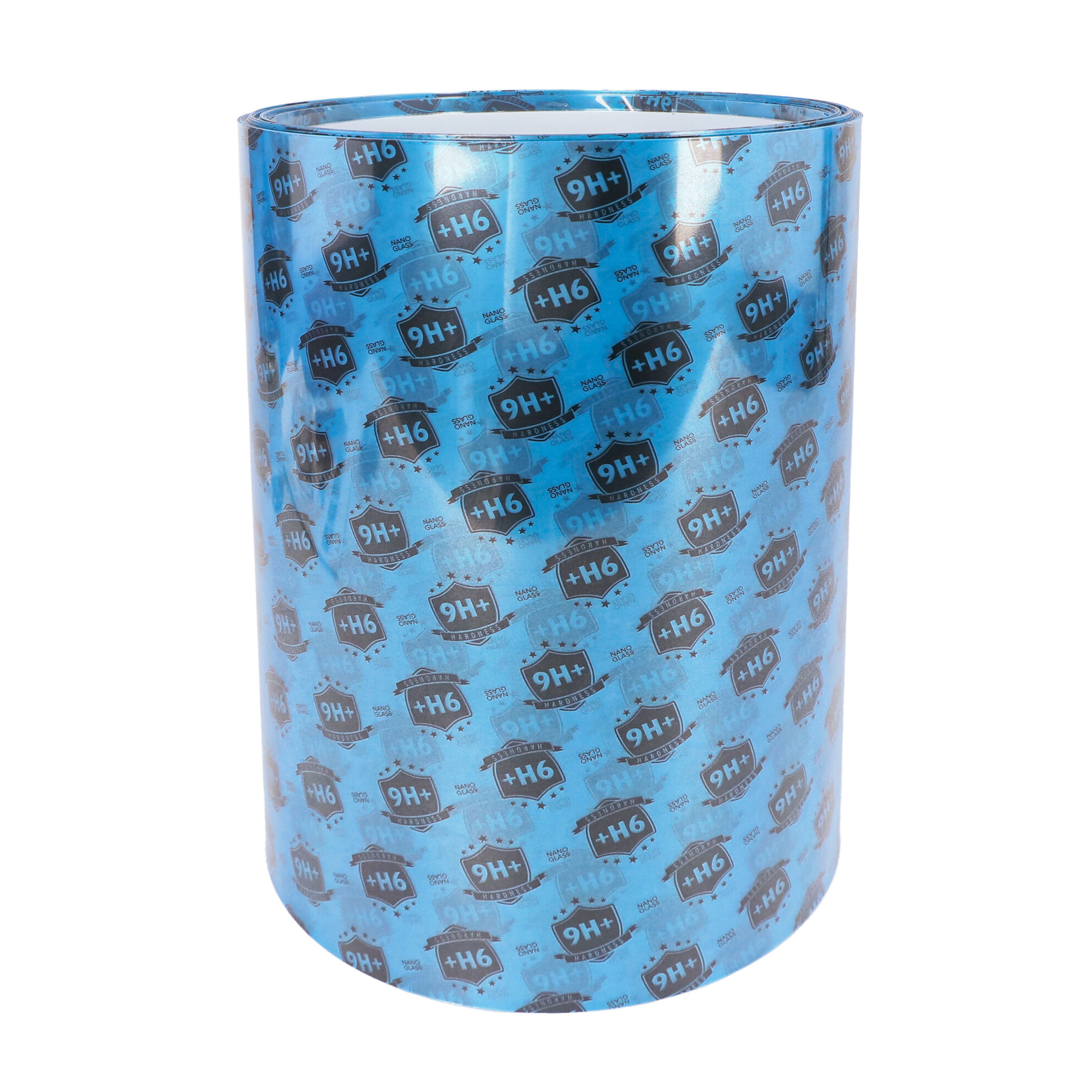
Thermoplastic polyurethane, commonly known as TPU, represents one of the most versatile and adaptable materials in modern manufacturing. This unique polymer combines the flexibility of rubber with the processability of thermoplastics, creating a material that bridges the gap between rigid plastics and soft elastomers. Understanding the diverse application areas and practical uses of TPU is essential for engineers, designers, and manufacturers seeking materials that can withstand demanding conditions while maintaining exceptional performance characteristics. The widespread adoption of TPU across multiple industries demonstrates its remarkable ability to meet specific requirements that traditional materials cannot satisfy.
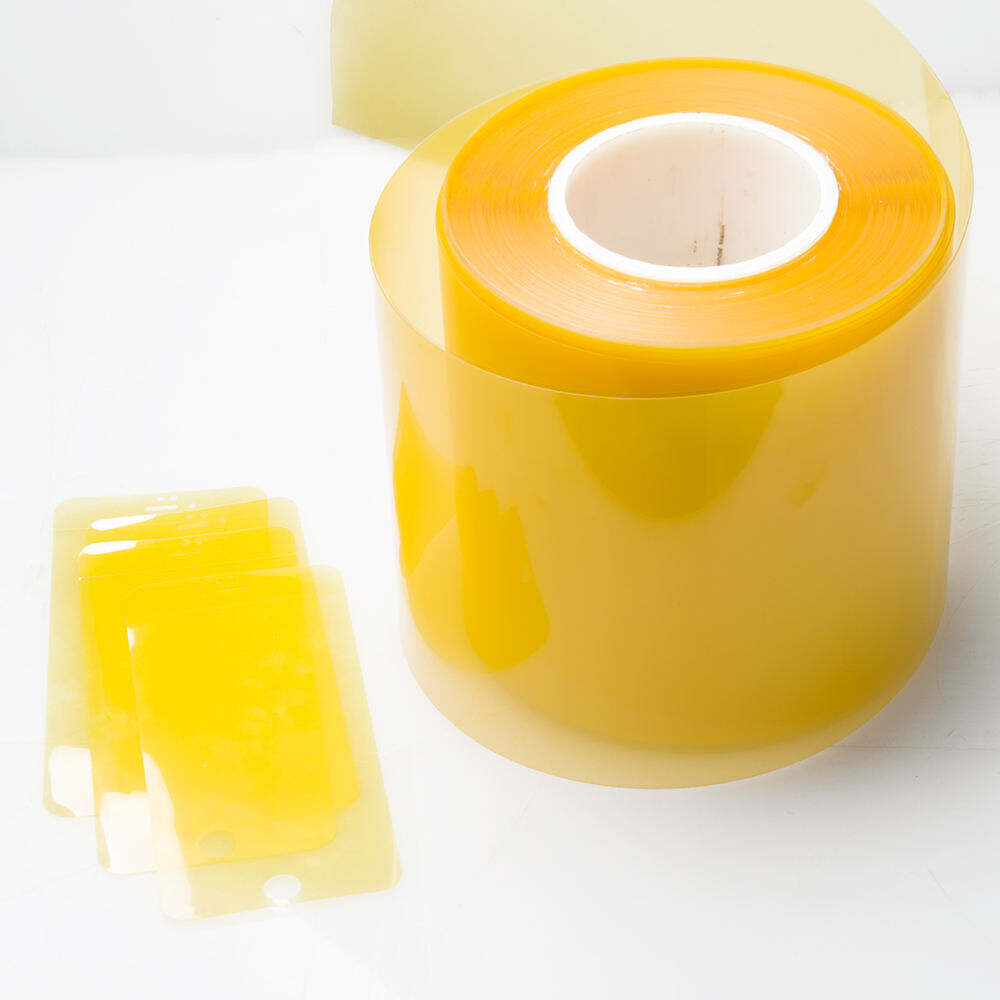
The practical applications of TPU span from everyday consumer products to highly specialized industrial components, reflecting its exceptional mechanical properties and chemical resistance. This thermoplastic material offers unique advantages including excellent abrasion resistance, exceptional tear strength, and remarkable elasticity that returns to its original shape after deformation. These characteristics make TPU an ideal choice for applications requiring durability, flexibility, and reliable performance under stress. From protective films and gaskets to complex automotive components and medical devices, TPU continues to revolutionize how manufacturers approach design challenges across diverse sectors.
Automotive Industry Applications
Interior and Exterior Components
The automotive industry extensively utilizes TPU for manufacturing various interior and exterior components that require both aesthetic appeal and functional performance. TPU finds significant application in dashboard covers, door panels, and instrument cluster housings where its soft-touch properties enhance user experience while providing excellent durability. The material's ability to maintain color stability and resist UV degradation makes it particularly valuable for exterior trim pieces, bumper components, and protective moldings that must withstand harsh environmental conditions.
Automotive manufacturers increasingly rely on TPU for producing flexible air ducts, cable jacketing, and weatherstrip seals due to its superior flexibility and chemical resistance. The material's excellent bonding characteristics allow for secure attachment to various substrates, while its resistance to oils, greases, and automotive fluids ensures long-term reliability. TPU components in automotive applications typically demonstrate exceptional fatigue resistance, maintaining their mechanical properties even after millions of flexing cycles during vehicle operation.
Safety and Performance Systems
TPU plays a crucial role in automotive safety systems, particularly in airbag components and impact absorption applications. The material's ability to absorb and dissipate energy makes it ideal for manufacturing airbag covers and deployment systems that must function reliably during critical moments. Additionally, TPU is extensively used in pedestrian protection systems, where its energy-absorbing properties help reduce injury severity in collision scenarios.
Performance-oriented automotive applications leverage TPU's exceptional mechanical properties for suspension components, bushings, and vibration dampeners. The material's ability to provide consistent performance across wide temperature ranges ensures reliable operation in extreme climate conditions. TPU-based automotive components typically exhibit superior resistance to road salt, chemicals, and environmental stressors that can degrade conventional materials over time.
Electronics and Technology Sector
Consumer Electronics Protection
The electronics industry has embraced TPU as a premier material for protective applications, particularly in smartphone cases, tablet covers, and wearable device housings. TPU's unique combination of flexibility and strength provides excellent drop protection while maintaining a slim profile that doesn't compromise device aesthetics. The material's transparency and ability to accept various surface textures make it ideal for TPU screen protectors and device films that preserve touchscreen functionality while preventing scratches and impacts.
Electronic component manufacturers utilize TPU for cable management solutions, wire jacketing, and connector boots that require flexibility and environmental protection. The material's excellent dielectric properties and flame resistance make it suitable for applications involving electrical components, while its chemical inertness ensures compatibility with various electronic materials and processes. TPU components in electronics applications typically demonstrate excellent aging characteristics, maintaining their protective properties throughout extended service life.
Advanced Technology Integration
Emerging technology applications increasingly incorporate TPU for flexible printed circuit substrates, antenna housings, and sensor protective covers. The material's ability to maintain stable electrical properties while providing mechanical flexibility enables innovative designs in foldable displays, flexible electronics, and wearable technology. TPU's biocompatibility and skin-safe properties make it particularly valuable for direct-contact wearable devices and medical monitoring equipment.
Advanced manufacturing techniques utilize TPU for creating complex geometries and integrated components that would be impossible with rigid materials. The material's excellent processability through injection molding, extrusion, and 3D printing enables rapid prototyping and customized solutions for specialized electronic applications. TPU components in advanced technology applications often incorporate multiple functional requirements within a single part, reducing assembly complexity and improving overall system reliability.
Medical and Healthcare Applications
Medical Device Components
The medical industry extensively utilizes TPU for manufacturing various medical devices and components due to its biocompatibility, sterilizability, and exceptional mechanical properties. TPU finds widespread application in catheter manufacturing, where its flexibility and kink resistance enable navigation through complex anatomical pathways while maintaining structural integrity. The material's ability to accept various surface treatments allows for specialized coatings that enhance biocompatibility and reduce friction during medical procedures.
Medical tubing applications benefit significantly from TPU's combination of flexibility, strength, and chemical resistance. The material's transparency enables visual monitoring of fluid flow, while its ability to withstand repeated sterilization cycles ensures patient safety and device reliability. TPU medical components typically demonstrate excellent fatigue resistance, maintaining their performance characteristics throughout extended clinical use periods.
Prosthetics and Rehabilitation Equipment
Prosthetic applications leverage TPU's unique properties for creating comfortable, functional, and durable prosthetic components. The material's ability to mimic human skin properties makes it ideal for prosthetic covers, padding systems, and interface components that contact the patient's body. TPU's excellent tear resistance and flexibility enable prosthetic components to withstand the dynamic loads and movements associated with daily activities.
Rehabilitation equipment manufacturers utilize TPU for exercise bands, therapy tools, and support devices that require consistent elastic properties and hygiene compatibility. The material's ability to maintain its mechanical properties after repeated cleaning and disinfection procedures makes it particularly valuable for shared medical equipment. TPU components in rehabilitation applications often incorporate color-coding and surface texturing to enhance usability and patient compliance.
Industrial and Manufacturing Applications
Protective Films and Coatings
Industrial applications extensively employ TPU for protective films that safeguard surfaces from abrasion, impact, and environmental damage. The material's excellent optical clarity and self-healing properties make it ideal for protecting high-value surfaces in aerospace, automotive, and marine applications. TPU protective films typically demonstrate superior adhesion characteristics and can be removed without leaving residue, making them valuable for temporary protection during manufacturing and transportation processes.
Manufacturing operations utilize TPU for creating specialized gaskets, seals, and protective covers that must withstand harsh industrial environments. The material's resistance to chemicals, oils, and extreme temperatures enables reliable performance in demanding industrial applications. TPU components in industrial settings often require custom formulations to meet specific performance requirements such as flame retardancy, static dissipation, or enhanced chemical resistance.
Machinery and Equipment Components
Heavy machinery applications benefit from TPU's exceptional wear resistance and impact absorption properties for manufacturing rollers, wheels, and vibration dampening components. The material's ability to maintain its properties under high loads and cyclic stresses makes it valuable for applications involving continuous operation and demanding service conditions. TPU machinery components typically demonstrate excellent dimensional stability and predictable performance characteristics throughout their service life.
Pneumatic and hydraulic systems utilize TPU for seals, diaphragms, and flexible connections that require reliable performance under pressure. The material's excellent compression set resistance and chemical compatibility with hydraulic fluids ensure long-term system reliability. TPU components in fluid power applications often incorporate specialized designs that optimize sealing performance while minimizing friction and wear.
Consumer Products and Sports Equipment
Footwear and Athletic Applications
The footwear industry extensively utilizes TPU for manufacturing shoe soles, heel caps, and structural support elements that require durability, comfort, and performance. TPU's excellent abrasion resistance and flexibility make it ideal for athletic footwear applications where components must withstand repetitive impact and flexing. The material's ability to accept various colors and surface textures enables innovative design possibilities while maintaining functional performance.
Athletic equipment applications leverage TPU's unique combination of properties for creating protective gear, sports balls, and equipment components that must perform reliably under demanding conditions. The material's excellent rebound characteristics and impact resistance make it valuable for applications requiring consistent energy return and protection. TPU sports equipment typically demonstrates superior durability compared to traditional materials while offering enhanced performance characteristics.
Recreational and Lifestyle Products
Consumer lifestyle products increasingly incorporate TPU for items requiring flexibility, durability, and aesthetic appeal. The material's soft-touch properties and ability to accept various finishing techniques make it ideal for personal accessories, bag components, and household items that benefit from enhanced tactile experience. TPU consumer products typically demonstrate excellent aging characteristics and maintain their appearance throughout extended use.
Outdoor recreation applications utilize TPU for inflatable products, protective covers, and weather-resistant components that must perform reliably in challenging environmental conditions. The material's excellent UV resistance and thermal stability ensure consistent performance across various climate conditions. TPU recreational products often incorporate specialized formulations that optimize specific performance characteristics such as puncture resistance, flexibility at low temperatures, or enhanced grip properties.
FAQ
What makes TPU suitable for such diverse applications across different industries?
TPU's exceptional versatility stems from its unique molecular structure that combines the flexibility of rubber with the processability of thermoplastics. This allows manufacturers to customize the material's hardness, flexibility, and performance characteristics through formulation adjustments. The material's excellent mechanical properties, including superior abrasion resistance, tear strength, and elastic recovery, enable it to meet demanding requirements across automotive, medical, electronics, and consumer product applications.
How does TPU compare to other materials in terms of durability and performance?
TPU typically outperforms traditional rubber and plastic materials in applications requiring both flexibility and durability. Unlike thermoset rubbers, TPU can be reprocessed and recycled, while offering superior tear resistance and fatigue life compared to conventional plastics. The material's excellent chemical resistance and ability to maintain properties across wide temperature ranges make it particularly valuable for demanding applications where other materials might fail or degrade over time.
What are the key considerations when selecting TPU for specific applications?
Selecting appropriate TPU grades requires careful consideration of hardness levels, chemical compatibility, temperature requirements, and specific performance criteria. Applications involving food contact, medical devices, or outdoor exposure may require specialized formulations with enhanced UV resistance, biocompatibility, or regulatory compliance. Manufacturing considerations such as processing methods, part geometry, and production volume also influence TPU selection and formulation optimization.
Can TPU be customized for specialized industrial requirements?
Yes, TPU can be extensively customized through various additives and formulation modifications to meet specific industrial requirements. Manufacturers can adjust properties such as flame retardancy, electrical conductivity, chemical resistance, and mechanical performance through specialized compounding. Custom TPU formulations often incorporate reinforcing agents, colorants, processing aids, and performance enhancers to optimize material behavior for particular applications while maintaining the base polymer's inherent advantages.
Table of Contents
- Automotive Industry Applications
- Electronics and Technology Sector
- Medical and Healthcare Applications
- Industrial and Manufacturing Applications
- Consumer Products and Sports Equipment
-
FAQ
- What makes TPU suitable for such diverse applications across different industries?
- How does TPU compare to other materials in terms of durability and performance?
- What are the key considerations when selecting TPU for specific applications?
- Can TPU be customized for specialized industrial requirements?

