
 EN
EN
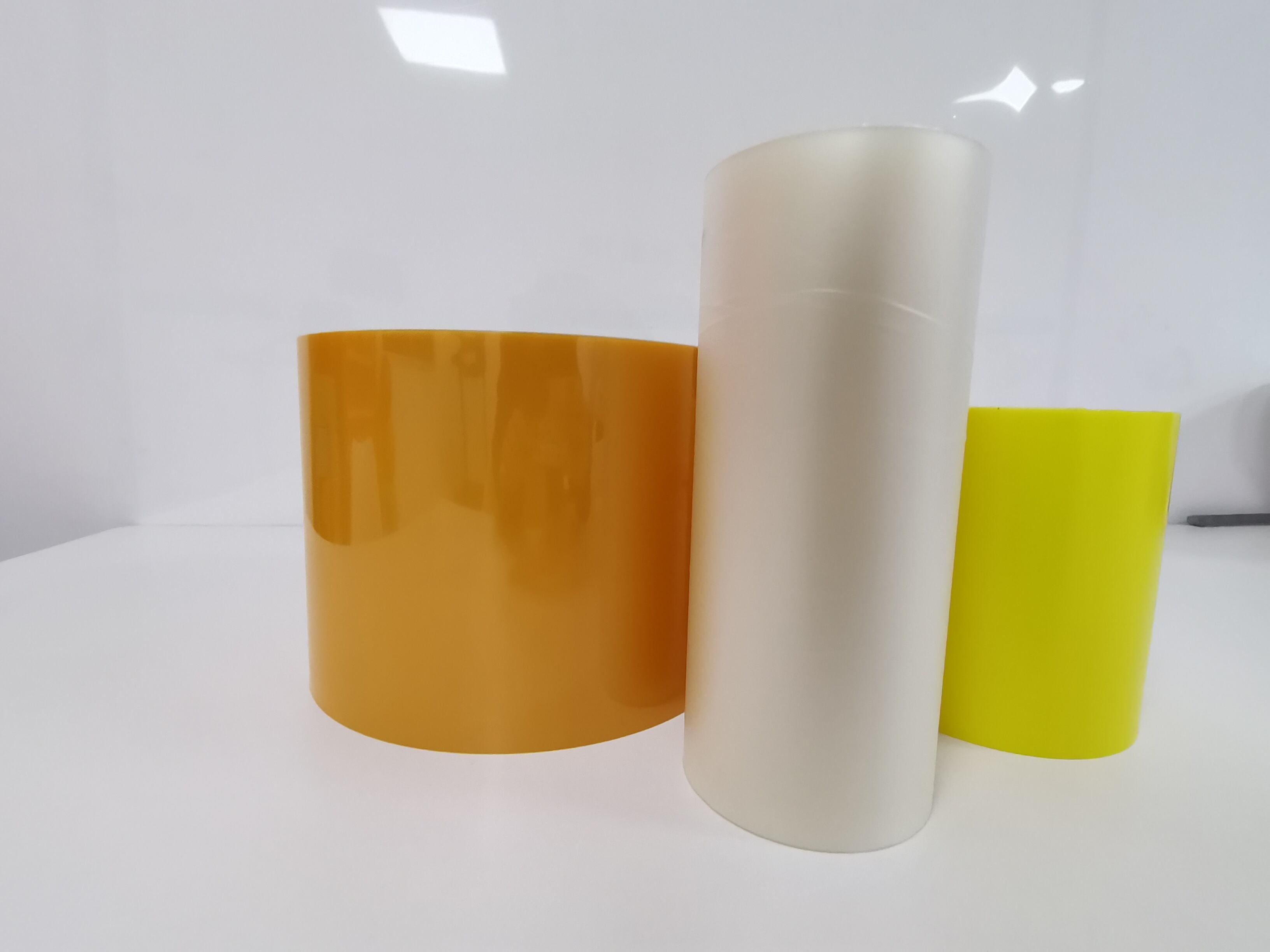
The global market for protective films has experienced unprecedented growth in recent years, with anti-rainproof film emerging as a critical component across numerous industries. This specialized coating technology provides essential protection against moisture, rain, and environmental elements, making it indispensable for applications ranging from automotive components to electronic devices. As industries continue to prioritize durability and weather resistance, the demand for advanced anti-rainproof film solutions has reached new heights, driven by technological innovations and evolving consumer expectations.
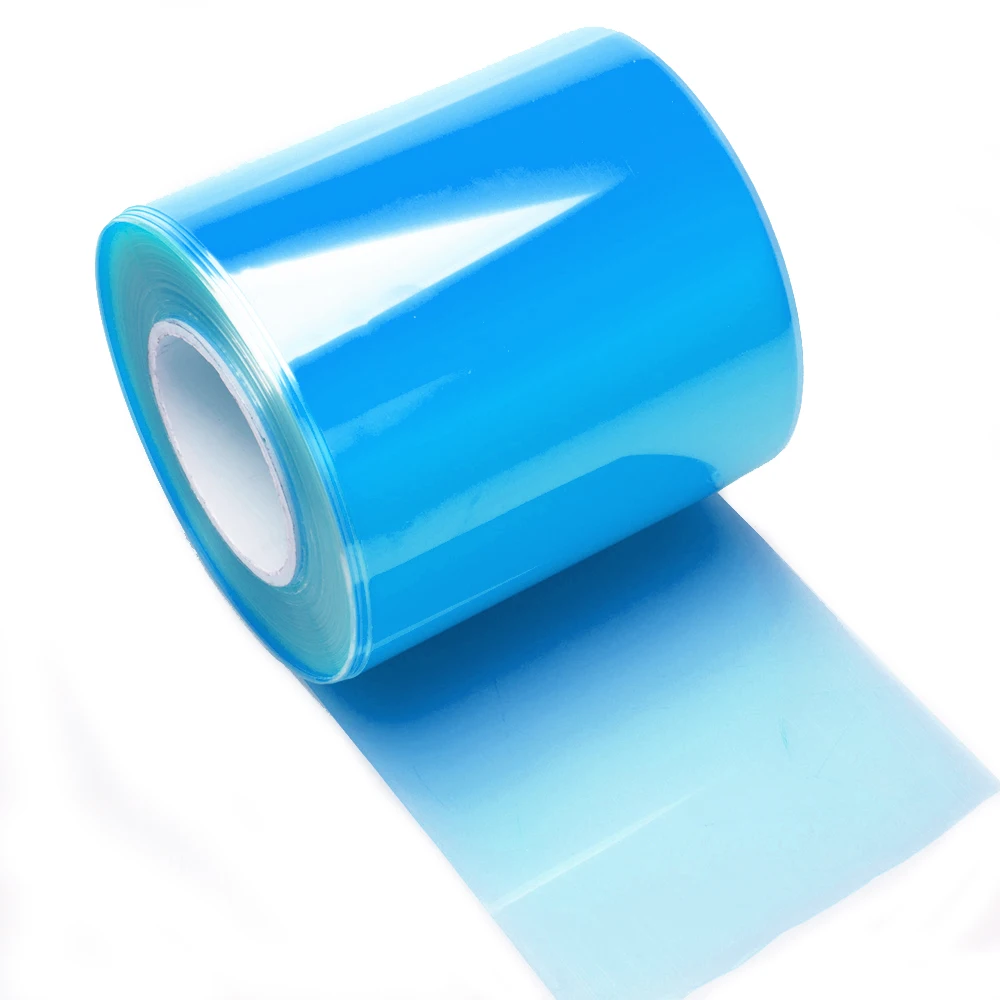
Understanding the industries that drive this demand reveals fascinating insights into modern manufacturing trends and consumer behavior patterns. From military applications requiring extreme weather protection to consumer electronics needing moisture barriers, the versatility of anti-rainproof film technology continues to expand across diverse sectors. Manufacturing companies worldwide are investing heavily in research and development to create more effective, sustainable, and cost-efficient protective film solutions that meet increasingly stringent industry standards.
Automotive Industry Leading Market Expansion
Vehicle Component Protection Systems
The automotive sector represents one of the largest consumers of anti-rainproof film technology, utilizing these protective coatings for critical vehicle components including headlights, mirrors, and electronic systems. Modern vehicles incorporate sophisticated sensor arrays, camera systems, and display units that require reliable moisture protection to function effectively in adverse weather conditions. Automotive manufacturers have recognized that anti-rainproof film applications significantly extend component lifespan while reducing maintenance costs and improving overall vehicle reliability.
Advanced automotive applications include protective films for autonomous vehicle sensors, where even minimal moisture interference can compromise safety systems. The integration of anti-rainproof film technology in electric vehicle battery compartments has become increasingly important as manufacturers seek to protect sensitive electrical components from environmental damage. Additionally, luxury vehicle manufacturers are incorporating these films into interior displays and control surfaces to maintain functionality and aesthetic appeal regardless of humidity levels.
Commercial Transportation Solutions
Commercial transportation companies have embraced anti-rainproof film technology to protect fleet vehicles operating in challenging environmental conditions. Long-haul trucking companies utilize these protective films on mirrors, cameras, and navigation equipment to ensure driver safety and operational efficiency during extended journeys through varying weather patterns. The logistics industry has particularly benefited from applying anti-rainproof film to cargo area components, protecting valuable shipments from moisture damage during transport.
Marine transportation vessels employ specialized anti-rainproof film applications on navigation equipment, communication systems, and cargo handling machinery. These protective films must withstand saltwater exposure, extreme humidity, and temperature fluctuations while maintaining optical clarity and adhesion strength. The aviation sector has also adopted anti-rainproof film technology for aircraft windows, instrument panels, and external sensor housings, where reliable performance under extreme conditions is absolutely critical for passenger safety.
Electronics and Technology Sector Innovations
Consumer Electronics Protection
The consumer electronics industry has become a major driver of anti-rainproof film demand as manufacturers seek to improve device durability and user experience in various environmental conditions. Smartphone manufacturers integrate these protective films into camera lenses, display assemblies, and charging ports to prevent moisture-related malfunctions that could compromise device functionality. The rapid growth of outdoor recreation electronics, including GPS devices, action cameras, and fitness trackers, has created substantial demand for reliable moisture protection solutions.
Gaming console manufacturers apply anti-rainproof film technology to ventilation systems and optical drive components, ensuring consistent performance even in humid environments. Smart home devices, including security cameras, doorbell systems, and outdoor sensors, rely heavily on anti-rainproof film protection to maintain reliable operation throughout changing seasonal conditions. The emergence of Internet of Things devices has further expanded market opportunities as manufacturers require cost-effective moisture protection for mass-produced connected devices.
Industrial Electronics Applications
Industrial automation systems utilize anti-rainproof film technology to protect control panels, sensor arrays, and communication equipment operating in manufacturing environments with high humidity or potential water exposure. Factory automation requires reliable moisture protection for robotic systems, conveyor controls, and quality inspection equipment that must function continuously regardless of environmental conditions. The renewable energy sector has embraced these protective films for solar panel junction boxes, wind turbine control systems, and energy storage equipment exposed to outdoor elements.
Telecommunications infrastructure relies on anti-rainproof film applications to protect cellular tower equipment, fiber optic connections, and signal processing hardware from weather-related damage. Data center operators apply these protective films to cooling system components and backup power equipment located in areas with potential moisture exposure. The growing demand for edge computing installations has created new opportunities for anti-rainproof film applications in outdoor computing equipment and remote monitoring systems.
Construction and Architecture Applications
Building Material Protection
The construction industry has increasingly adopted anti-rainproof film technology for protecting building materials during construction phases and for long-term architectural applications. Window manufacturers apply these protective films to glass surfaces during shipping and installation, preventing moisture damage that could affect optical clarity or structural integrity. Construction companies utilize anti-rainproof film on temporary structures, equipment housing, and material storage areas to protect valuable resources from weather-related deterioration.
Architectural applications include protective films for exterior building components such as metal facades, decorative panels, and lighting fixtures that require moisture resistance while maintaining aesthetic appeal. The green building movement has driven demand for anti-rainproof film applications that support sustainable construction practices by extending material lifespan and reducing replacement needs. Smart building systems incorporate these protective films on sensors, control panels, and communication equipment integrated into building management systems.
Infrastructure Development Projects
Large-scale infrastructure projects utilize anti-rainproof film technology to protect critical components during construction and throughout operational lifecycles. Bridge construction projects apply these films to sensor systems, lighting equipment, and structural monitoring devices that must function reliably in exposed outdoor environments. Transportation infrastructure, including highway systems and rail networks, incorporates anti-rainproof film protection for signaling equipment, communication systems, and safety monitoring devices.
Municipal infrastructure projects rely on anti-rainproof film applications for water treatment facilities, waste management systems, and public utility equipment that operates in challenging environmental conditions. The development of smart city initiatives has created new opportunities for protective film applications on urban sensing networks, traffic management systems, and public safety equipment. Port and harbor infrastructure projects utilize specialized anti-rainproof film formulations designed to withstand saltwater exposure while protecting cargo handling equipment and navigation systems.
Aerospace and Defense Applications
Military Equipment Protection
The defense sector represents a significant market for specialized anti-rainproof film applications designed to meet stringent military specifications and performance requirements. Military vehicles, aircraft, and maritime vessels require protective films that can withstand extreme environmental conditions while maintaining operational effectiveness in combat situations. Advanced anti-rainproof film formulations for military applications must provide protection against chemical exposure, electromagnetic interference, and ballistic impact while maintaining moisture barrier properties.
Portable military equipment, including communication devices, navigation systems, and weapon optics, relies on anti-rainproof film technology to ensure reliable operation in diverse climatic conditions. The development of soldier-worn electronics and integrated combat systems has created demand for lightweight, flexible protective films that can conform to complex geometries while providing comprehensive moisture protection. Military infrastructure, including command centers, radar installations, and communication facilities, incorporates anti-rainproof film applications to protect sensitive electronic equipment from environmental threats.
Commercial Aviation Sector
Commercial aviation manufacturers utilize anti-rainproof film technology throughout aircraft systems to ensure passenger safety and operational reliability under challenging weather conditions. Aircraft windshields, instrument panels, and navigation equipment require protective films that maintain optical clarity while preventing moisture accumulation that could compromise pilot visibility or system functionality. The integration of advanced avionics systems has increased demand for anti-rainproof film applications that protect sensitive electronic components from humidity and condensation.
Airport infrastructure relies on anti-rainproof film protection for ground control equipment, baggage handling systems, and passenger boarding equipment that operates in outdoor environments. Air traffic control systems utilize these protective films on radar equipment, communication towers, and weather monitoring instruments that must function accurately regardless of atmospheric conditions. The growing commercial space industry has created new opportunities for specialized anti-rainproof film applications designed to protect equipment during pre-launch operations and ground support activities.
Marine and Offshore Industries
Commercial Shipping Applications
The global shipping industry has become a substantial consumer of anti-rainproof film technology as vessel operators seek to protect expensive equipment and cargo from moisture-related damage during ocean transport. Commercial vessels utilize these protective films on navigation equipment, communication systems, and cargo monitoring devices that must function reliably in harsh marine environments. Container shipping companies apply anti-rainproof film technology to protect refrigerated cargo systems, loading equipment, and port interface components that experience constant exposure to saltwater and humidity.
Cruise ship operators have embraced anti-rainproof film applications for passenger entertainment systems, safety equipment, and deck machinery that must maintain functionality throughout extended voyages in varying weather conditions. The fishing industry utilizes these protective films on processing equipment, navigation systems, and catch monitoring technology that operates in challenging marine environments. Offshore supply vessels require specialized anti-rainproof film formulations that can withstand extreme weather conditions while protecting critical equipment used in oil and gas operations.
Offshore Energy Production
Offshore oil and gas platforms represent one of the most demanding applications for anti-rainproof film technology, requiring protective solutions that can withstand saltwater exposure, extreme temperatures, and hurricane-force winds. Platform operators apply these films to control systems, safety equipment, and communication devices that are essential for safe and efficient energy production operations. The renewable energy sector has created new opportunities for anti-rainproof film applications on offshore wind turbines, where protective films protect control systems, monitoring equipment, and power transmission components.
Ocean energy projects, including wave and tidal power installations, require specialized anti-rainproof film formulations designed to protect sensitive equipment in continuously wet environments. Marine research facilities utilize these protective films on scientific instruments, data collection equipment, and underwater vehicle components that must maintain functionality during extended deployment periods. The development of floating solar installations has created demand for anti-rainproof film applications that can protect electrical components and monitoring systems in marine environments.
FAQ
What makes anti-rainproof film essential for industrial applications
Anti-rainproof film provides critical moisture protection for sensitive equipment and components across numerous industries, preventing costly failures and extending operational lifecycles. These specialized films create effective barriers against water infiltration while maintaining optical clarity and adhesion strength under challenging environmental conditions. Industrial applications benefit from reduced maintenance costs, improved reliability, and enhanced safety performance when anti-rainproof film technology is properly implemented. The versatility of these protective films allows manufacturers to customize solutions for specific industry requirements and environmental challenges.
How do different industries customize anti-rainproof film specifications
Industries customize anti-rainproof film properties based on specific operational requirements including temperature ranges, chemical exposure, UV resistance, and mechanical stress factors. Automotive applications may require films with enhanced optical clarity and impact resistance, while marine industries need formulations that withstand saltwater corrosion and extreme weather conditions. Electronic manufacturers often specify anti-rainproof film with electromagnetic compatibility properties, while aerospace applications require materials that meet stringent weight and flame resistance standards. Advanced manufacturing techniques allow for precise tailoring of film thickness, adhesion strength, and surface properties to match industry-specific performance criteria.
What drives the growing demand for sustainable anti-rainproof film solutions
Environmental consciousness and regulatory requirements are driving increased demand for sustainable anti-rainproof film formulations that minimize ecological impact while maintaining protective performance. Industries are seeking bio-based materials, recyclable formulations, and manufacturing processes that reduce carbon footprint and waste generation. The circular economy approach encourages development of anti-rainproof film products that can be recycled or safely disposed of at end-of-life, creating market opportunities for innovative sustainable solutions. Companies prioritizing environmental responsibility are willing to invest in premium anti-rainproof film products that demonstrate measurable sustainability benefits and support corporate environmental goals.
How does technological advancement influence anti-rainproof film market growth
Technological innovations continue to expand anti-rainproof film applications through development of smart films with self-healing properties, enhanced durability, and multi-functional capabilities that combine moisture protection with other performance features. Nanotechnology integration enables creation of ultra-thin films with superior protective properties, while advanced manufacturing techniques reduce production costs and improve scalability for mass market applications. The Internet of Things and connected device proliferation creates new market opportunities for anti-rainproof film applications in outdoor sensors, monitoring equipment, and communication devices that require reliable environmental protection. Research and development investments focus on creating next-generation protective films that can adapt to changing environmental conditions and provide real-time performance monitoring capabilities.

