 EN
EN
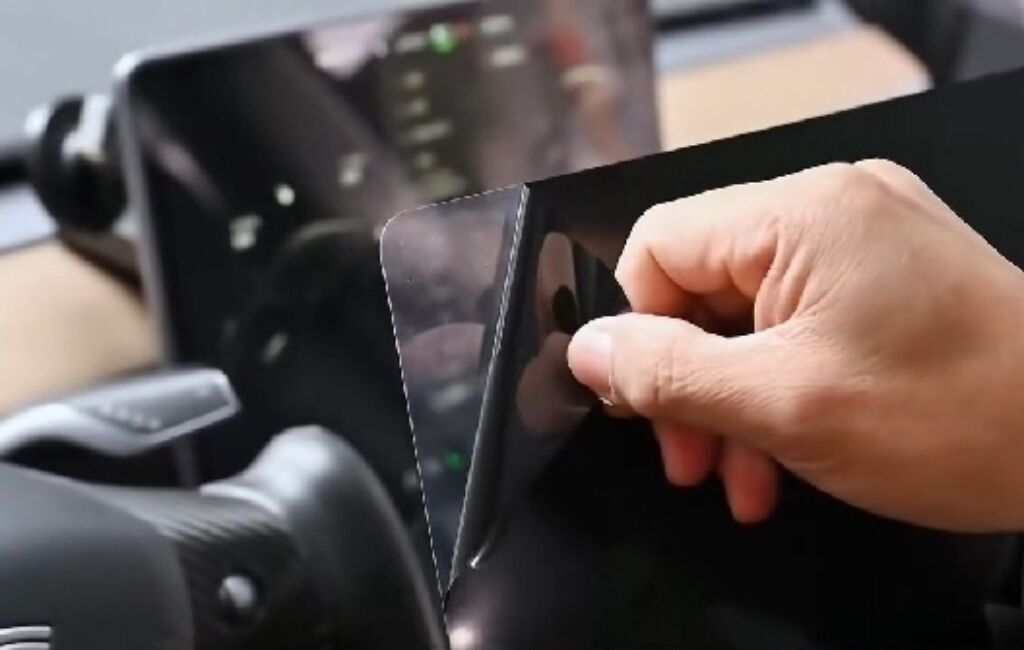
In today's digital landscape, protecting electronic device screens has become paramount for both manufacturers and end-users. The hydrogel membrane roll technology represents a revolutionary advancement in screen protection, offering superior durability and optical clarity compared to traditional protective films. This innovative material combines the flexibility of hydrogel chemistry with the practical application needs of modern electronic displays, creating a protective solution that maintains screen functionality while extending device lifespan.
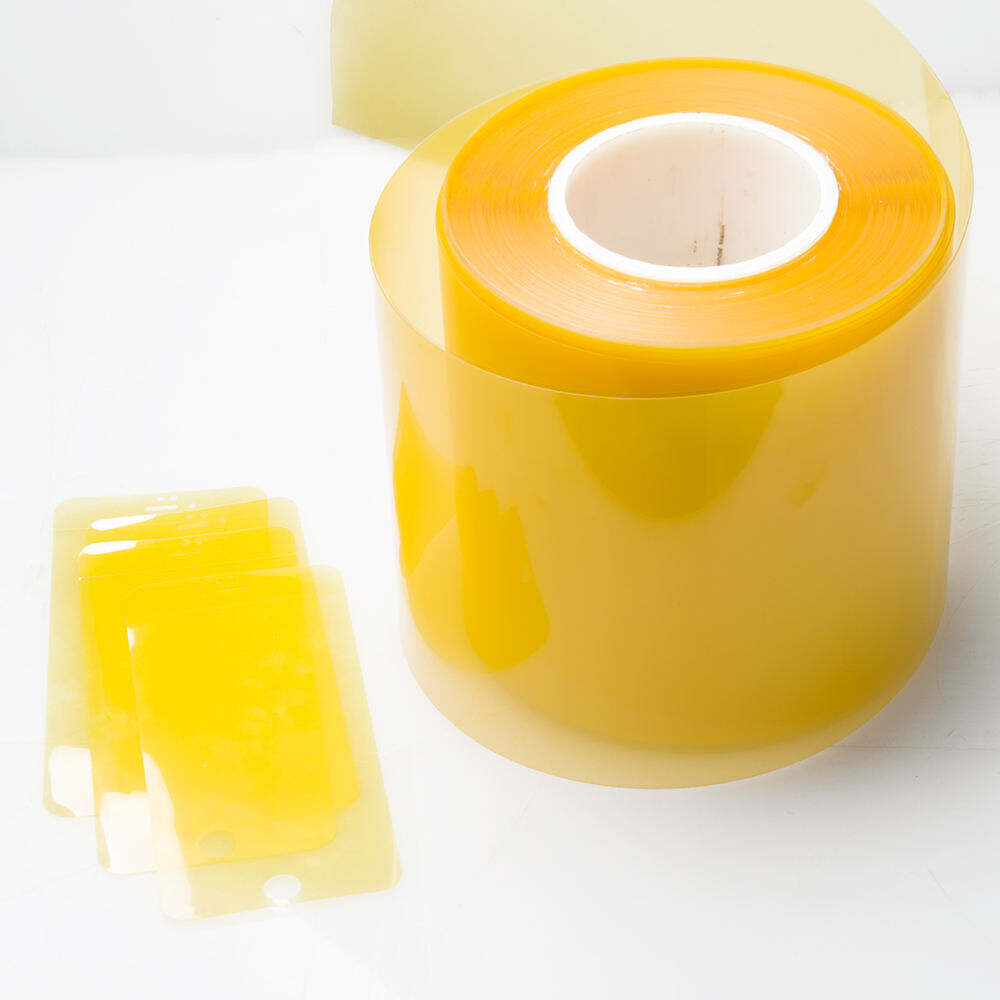
The growing demand for screen protection solutions in industrial and consumer markets has driven significant innovation in membrane technology. Hydrogel-based protective films offer unique advantages over conventional materials, including self-healing properties, enhanced impact resistance, and superior optical transmission. These characteristics make them ideal for applications ranging from smartphone manufacturing to industrial display protection, where maintaining screen clarity while ensuring durability is essential.
Understanding Hydrogel Membrane Technology
Composition and Material Properties
Hydrogel membranes consist of cross-linked polymer networks that can absorb and retain significant amounts of water while maintaining their structural integrity. The unique molecular structure creates a flexible, transparent material that exhibits excellent adhesive properties without leaving residue upon removal. This composition allows the membrane to conform to curved surfaces and provides exceptional optical clarity, making it ideal for screen protection applications.
The polymer matrix in hydrogel membranes typically incorporates acrylic or polyurethane components that enhance mechanical strength and durability. These materials undergo controlled cross-linking processes during manufacture, creating a three-dimensional network structure that provides both flexibility and tear resistance. The resulting membrane maintains consistent thickness and optical properties across large roll formats, ensuring uniform protection quality in manufacturing applications.
Manufacturing Process and Quality Control
The production of high-quality hydrogel membranes involves precise control of polymerization conditions, including temperature, humidity, and curing time. Advanced manufacturing facilities employ multi-layer coating techniques to achieve optimal thickness uniformity and surface properties. Quality control measures include continuous monitoring of optical transmission rates, adhesion strength testing, and dimensional stability verification throughout the production process.
Roll-to-roll manufacturing processes enable efficient production of hydrogel membranes in various widths and lengths, meeting diverse application requirements. The controlled manufacturing environment ensures consistent material properties, including tensile strength, elongation characteristics, and optical clarity. These standardized production methods allow manufacturers to maintain quality specifications while achieving cost-effective large-scale production.
Enhanced Screen Durability Benefits
Impact Resistance and Scratch Protection
The viscoelastic properties of hydrogel membranes provide excellent impact absorption, distributing force across the protective layer and reducing the likelihood of screen damage from drops or impacts. The material's ability to deform under stress and return to its original shape helps prevent crack propagation in underlying screen substrates. This protective mechanism significantly extends device lifespan and reduces repair costs for both consumers and manufacturers.
Surface hardness characteristics of properly formulated hydrogel membranes resist scratching from common objects such as keys, coins, and sand particles. The smooth surface finish reduces friction during touch interactions while maintaining tactile responsiveness. Advanced formulations incorporate nano-scale additives that enhance surface hardness without compromising flexibility, providing optimal protection against daily wear and environmental exposure.
Environmental Protection Features
Hydrogel membrane protection extends beyond physical impact resistance to include environmental factors such as moisture, dust, and chemical exposure. The hydrophilic nature of hydrogel materials helps repel certain contaminants while maintaining breathability to prevent moisture accumulation beneath the protective layer. This characteristic proves particularly valuable in industrial environments where screens face exposure to harsh conditions.
Temperature stability represents another crucial durability factor, as hydrogel membrane roll materials maintain their protective properties across wide temperature ranges. The thermal expansion characteristics closely match those of common display materials, preventing delamination or bubble formation during temperature fluctuations. This compatibility ensures long-term adhesion and protection effectiveness in various operating environments.
Optical Clarity and Visual Performance
Light Transmission Characteristics
High-quality hydrogel membranes achieve light transmission rates exceeding 92%, maintaining excellent screen brightness and color accuracy. The refractive index properties of hydrogel materials closely match those of glass and plastic display substrates, minimizing optical interference and reflection losses. This optical compatibility ensures that protected screens maintain their intended visual performance without noticeable degradation in image quality or brightness.
Anti-reflective properties can be incorporated into hydrogel membrane formulations through surface texturing or additive inclusion. These enhancements reduce glare and improve visibility under bright lighting conditions, making protected screens more comfortable to use in various environments. The smooth surface finish also contributes to reduced fingerprint visibility and easier cleaning maintenance.
Touch Sensitivity and User Experience
Modern hydrogel membrane formulations maintain excellent touch sensitivity while providing robust protection. The thin profile and consistent thickness distribution ensure that capacitive touch sensors function normally through the protective layer. Advanced materials achieve thickness uniformity within tight tolerances, preventing dead zones or reduced sensitivity areas that could compromise user experience.
Surface treatments applied to hydrogel membranes can enhance finger tracking accuracy and reduce touch latency. These treatments modify surface energy characteristics to optimize the interaction between fingertips and the protective layer. The result is a natural touch feel that closely mimics direct screen interaction while providing comprehensive protection against damage and contamination.
Industrial Applications and Manufacturing Benefits
Large-Scale Production Advantages
Roll format distribution of hydrogel membranes enables efficient integration into automated manufacturing processes. The continuous material supply eliminates the need for individual piece handling, reducing labor costs and improving production throughput. Manufacturers can implement precision cutting and application systems that ensure consistent placement and bubble-free installation across high-volume production runs.
Inventory management becomes more streamlined with roll-based hydrogel membrane systems, as single rolls can provide protection for hundreds or thousands of devices depending on screen size and cutting efficiency. This format reduces storage space requirements and simplifies material tracking compared to pre-cut protective films. The extended shelf life of properly stored hydrogel rolls further enhances inventory efficiency for manufacturers.
Customization and Compatibility Options
Modern hydrogel membrane roll production allows for extensive customization to meet specific application requirements. Thickness variations, adhesive strength modifications, and surface treatment options enable manufacturers to optimize protection for different screen types and usage conditions. Color tinting and UV filtering capabilities can be incorporated for specialized applications requiring enhanced visual characteristics.
Compatibility testing ensures that hydrogel membranes work effectively with various screen technologies, including OLED, LCD, and e-ink displays. Material formulations can be adjusted to accommodate different surface energies and curvature requirements. This flexibility makes hydrogel membrane rolls suitable for diverse product lines ranging from smartphones and tablets to industrial touchscreen displays and automotive infotainment systems.
Installation and Performance Optimization
Application Techniques and Best Practices
Successful hydrogel membrane installation requires careful attention to surface preparation, environmental conditions, and application methodology. Clean room conditions or controlled environments help prevent contamination during application, ensuring optimal adhesion and appearance. Proper surface cleaning removes oils, dust, and static charges that could interfere with membrane adhesion or cause bubble formation.
Temperature and humidity control during installation significantly impacts final performance and appearance. Optimal application conditions typically range from 20-25°C with relative humidity between 40-60%. These conditions promote proper adhesive activation while preventing premature curing or moisture-related defects. Automated application systems can maintain consistent environmental parameters for large-scale production requirements.
Quality Assurance and Testing Protocols
Comprehensive testing protocols verify hydrogel membrane performance across multiple parameters including optical clarity, adhesion strength, durability, and environmental resistance. Standardized test methods ensure consistent quality evaluation and enable comparison between different membrane formulations. Regular quality audits throughout the manufacturing and application processes maintain consistent protection performance.
Long-term aging tests simulate extended use conditions to verify membrane stability and protection effectiveness over time. These evaluations include exposure to UV radiation, temperature cycling, humidity variations, and mechanical stress testing. Results from these comprehensive evaluations guide formulation improvements and help establish realistic performance expectations for end-users.
FAQ
What makes hydrogel membrane rolls superior to traditional screen protectors?
Hydrogel membrane rolls offer several advantages over traditional screen protectors, including superior flexibility that conforms to curved surfaces, self-healing properties that repair minor scratches, and excellent optical clarity that maintains screen brightness and color accuracy. The roll format also enables more efficient manufacturing processes and reduces material waste compared to pre-cut alternatives.
How long do hydrogel membrane protectors typically last on devices?
High-quality hydrogel membrane protectors typically provide effective protection for 12-24 months under normal usage conditions. Lifespan depends on factors such as usage intensity, environmental exposure, and care practices. The material's self-healing properties help extend effective protection time by automatically repairing minor surface damage during normal use.
Can hydrogel membranes affect touch sensitivity or screen responsiveness?
Properly manufactured hydrogel membranes maintain excellent touch sensitivity and screen responsiveness due to their thin profile and consistent thickness distribution. Modern formulations are specifically designed to preserve capacitive touch function while providing robust protection. Most users experience no noticeable difference in touch performance when using quality hydrogel protection.
Are hydrogel membrane rolls compatible with all screen types and sizes?
Hydrogel membrane rolls offer excellent compatibility with most screen types including LCD, OLED, and capacitive touchscreens. The roll format allows for custom cutting to accommodate various screen sizes and shapes, making them suitable for applications ranging from small smartphone displays to large industrial touchscreens. Specific formulations may be optimized for particular screen technologies to ensure optimal performance.

