
 EN
EN
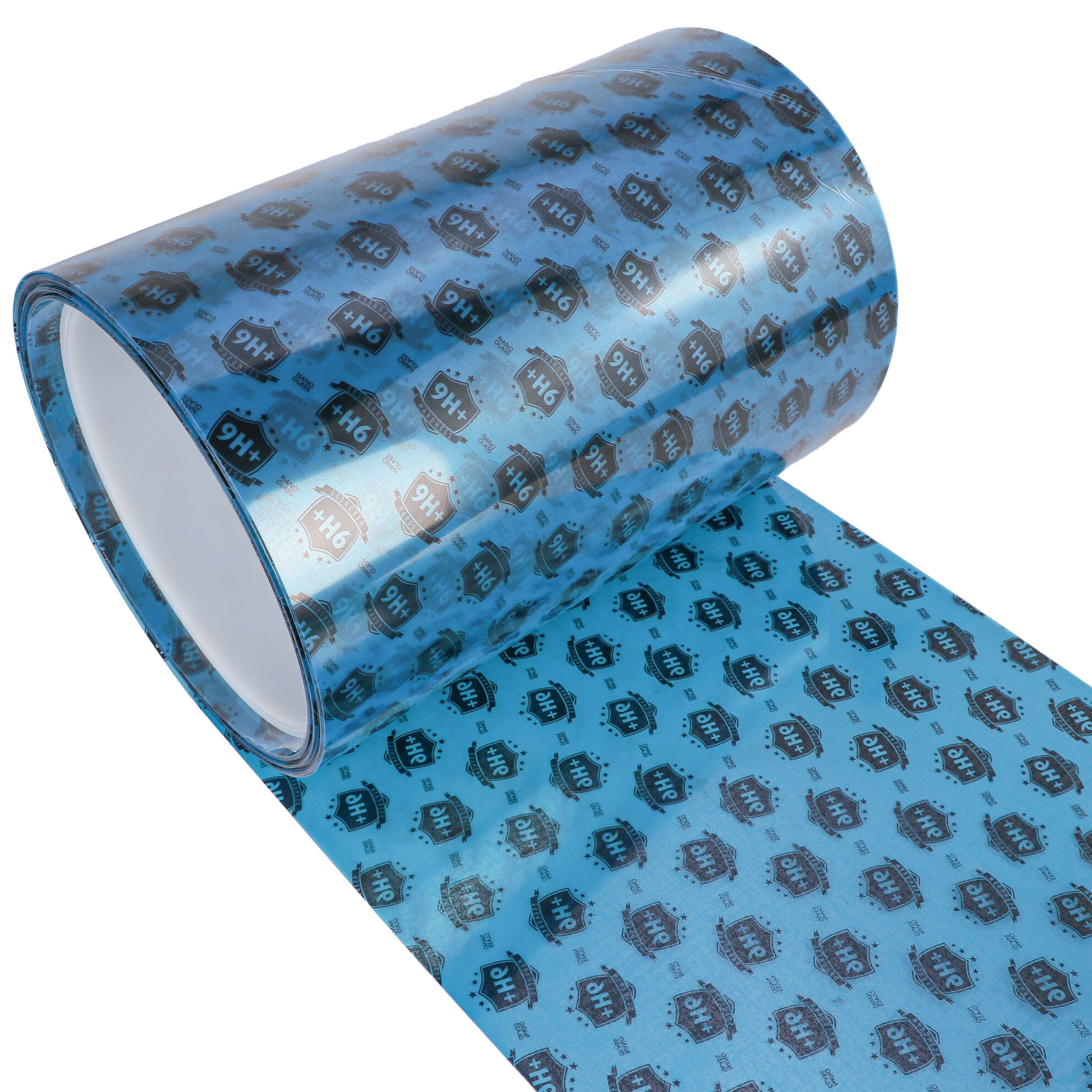
The rapid advancement in screen protection technology has introduced innovative solutions that far exceed traditional protective films in durability and performance. Modern devices require superior protection against impacts, scratches, and daily wear, making the choice of protective film crucial for maintaining device integrity. Understanding the fundamental differences between advanced protective technologies and conventional options helps consumers and businesses make informed decisions about their screen protection investments. The evolution from basic plastic films to sophisticated nano-engineered solutions represents a significant leap in material science and protective capabilities.
Understanding Advanced Nano Technology
Molecular Structure and Composition
The foundation of 9H nano shock film lies in its revolutionary molecular engineering, which creates an incredibly dense and resilient protective layer. Unlike traditional films that rely on basic polymer structures, nano-engineered films incorporate microscopic particles that form interlocking networks at the molecular level. This advanced composition results in exceptional hardness ratings that can withstand extreme force while maintaining optical clarity and touch sensitivity. The nano-scale engineering allows for precise control over material properties, enabling manufacturers to optimize both protection and user experience simultaneously.
Traditional protective films typically utilize single-layer polymer construction with limited molecular density and structural integrity. These conventional materials often compromise between flexibility and hardness, resulting in products that may scratch easily or become brittle under stress. The molecular limitations of traditional films prevent them from achieving the superior protective characteristics found in nano-engineered alternatives, making them less suitable for high-performance applications requiring maximum durability.
Manufacturing Process Innovation
The production of advanced protective films involves sophisticated manufacturing techniques that precisely control material properties at the nano level. Multi-layer coating processes allow for the integration of different functional layers, each optimized for specific protective characteristics such as impact resistance, anti-reflective properties, and oleophobic treatments. These controlled manufacturing environments ensure consistent quality and performance across every square inch of the protective film, eliminating weak points that could compromise overall protection.
Conventional film manufacturing relies on simpler extrusion or casting processes that cannot achieve the precision required for nano-scale engineering. These traditional methods often result in thickness variations, material inconsistencies, and limited control over surface properties. The manufacturing limitations of traditional films directly impact their protective capabilities and longevity, making them less reliable for critical protection applications where consistent performance is essential.
Hardness Ratings and Impact Protection
9H Hardness Standard Explained
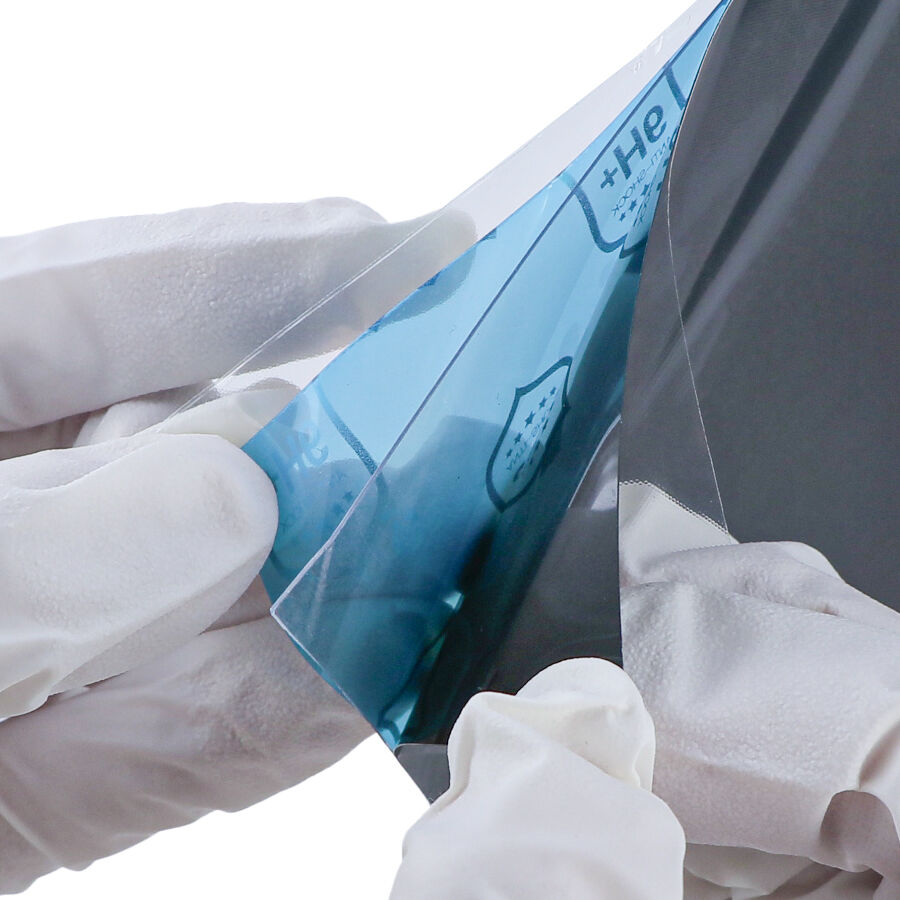
The 9H hardness rating represents the highest level of scratch resistance achievable in protective films, measured using standardized pencil hardness testing methods. This rating indicates that the 9H nano shock film can resist scratching from materials with hardness levels equivalent to a 9H pencil, which approaches the hardness of tempered glass. The exceptional hardness is achieved through nano-particle reinforcement and advanced cross-linking chemistry that creates an incredibly durable surface layer resistant to most common scratching hazards.
Traditional protective films typically achieve hardness ratings between 2H and 4H, which provides basic protection against light scratches but fails to prevent damage from more aggressive contact. The significant difference in hardness ratings translates to dramatically different levels of real-world protection, with higher-rated films maintaining their protective integrity under conditions that would quickly compromise traditional alternatives. This hardness differential is particularly important for devices exposed to challenging environments or heavy usage patterns.
Shock Absorption Capabilities
Advanced nano films incorporate specialized shock-absorbing layers that distribute impact energy across the film surface, preventing localized stress concentrations that could cause screen damage. The multi-layer construction allows these films to deform slightly under impact while maintaining structural integrity, effectively absorbing and dissipating kinetic energy that would otherwise transfer to the underlying screen. This shock absorption capability is particularly valuable for mobile devices and tablets that frequently experience drops or impacts during daily use.
Traditional films lack sophisticated shock absorption mechanisms, relying primarily on their thickness to provide minimal impact protection. The single-layer construction of conventional films offers limited energy dissipation, often transferring impact forces directly to the protected surface. This fundamental limitation makes traditional films inadequate for high-impact applications where superior shock protection is essential for maintaining device functionality and appearance over extended periods.
Optical Performance and User Experience
Clarity and Transparency Features
Nano-engineered protective films maintain exceptional optical clarity through precisely controlled refractive index matching and anti-reflective coatings that minimize light scattering. The advanced manufacturing processes ensure uniform thickness and surface smoothness that preserves the original display quality without introducing distortions or color shifts. These films often incorporate oleophobic treatments that resist fingerprints and smudges while maintaining easy cleaning properties, contributing to sustained visual clarity throughout the film's operational life.
Traditional protective films frequently suffer from optical compromises including reduced clarity, color distortion, and increased reflectivity that degrades the user experience. The manufacturing limitations of conventional films often result in surface irregularities and thickness variations that scatter light and reduce display quality. Many traditional films also lack effective anti-fingerprint treatments, leading to rapid accumulation of smudges that further compromise visibility and require frequent cleaning to maintain acceptable optical performance.
Touch Sensitivity and Response
Advanced protective films are engineered to maintain the original touch sensitivity and responsiveness of capacitive touchscreens through optimized dielectric properties and minimal thickness interference. The nano-scale engineering allows for precise control over electrical properties, ensuring that touch gestures register accurately without delays or missed inputs. These films often enhance touch performance through specialized surface treatments that improve finger tracking and reduce friction for smoother gesture recognition.
Traditional films may interfere with touch sensitivity due to inconsistent dielectric properties and thicker construction that can dampen capacitive signals. The limited engineering control in conventional film manufacturing often results in products that compromise touch responsiveness, particularly for multi-touch gestures or precise input applications. Users frequently experience reduced sensitivity or delayed response times that can significantly impact the usability of touch-enabled devices protected by traditional films.
Durability and Longevity Comparison
Wear Resistance and Lifecycle
The superior material engineering of advanced protective films results in exceptional wear resistance that maintains protective properties throughout extended use cycles. The nano-scale reinforcement and cross-linked polymer structure resist degradation from UV exposure, temperature fluctuations, and chemical exposure that commonly affect traditional films. This enhanced durability translates to longer replacement intervals and sustained protection performance, making advanced films more cost-effective over their operational lifetime despite higher initial investment costs.
Traditional protective films typically exhibit accelerated wear patterns including yellowing, brittleness, and reduced adhesion that compromise their protective effectiveness over time. The simpler material construction lacks the stability mechanisms found in advanced films, leading to premature failure and frequent replacement requirements. The degradation of traditional films often occurs gradually, potentially leaving devices vulnerable to damage before users recognize the need for replacement, creating hidden protection gaps that could result in costly screen repairs.
Environmental Resistance
Advanced nano films incorporate UV stabilizers and antioxidants that prevent degradation from environmental exposure, maintaining their protective properties under diverse operating conditions. The engineered molecular structure resists temperature-induced changes and chemical attack from cleaning agents, oils, and atmospheric pollutants that can compromise traditional film integrity. This environmental stability ensures consistent protection performance regardless of usage environment or exposure conditions, making advanced films suitable for both indoor and outdoor applications.
Traditional films lack comprehensive environmental protection, often suffering from UV-induced yellowing, thermal degradation, and chemical sensitivity that rapidly compromises their appearance and performance. The limited environmental resistance of conventional films restricts their suitability for challenging applications and may require frequent replacement in high-exposure environments. This environmental vulnerability can lead to unexpected protection failures and increased maintenance costs for devices operating in demanding conditions.
Installation and Maintenance Considerations
Application Process and Techniques
Modern protective films feature advanced adhesive systems that facilitate bubble-free installation while providing strong, permanent bonding to various screen surfaces. The engineered adhesive properties allow for repositioning during initial application and create molecular-level bonding that prevents edge lifting or delamination over time. These films often incorporate installation aids such as alignment guides and removal tabs that simplify the application process and reduce the likelihood of installation errors that could compromise protection effectiveness.
Traditional films frequently utilize basic adhesive formulations that may create installation challenges including air bubble formation, poor repositionability, and inconsistent bonding strength. The adhesive limitations of conventional films can result in installation difficulties that require professional application or lead to suboptimal protection coverage. Poor adhesive performance may also contribute to premature failure through edge lifting or complete delamination, particularly in high-stress applications or challenging environmental conditions.
Cleaning and Care Requirements
Advanced protective films require minimal maintenance due to their oleophobic surface treatments and stain-resistant properties that prevent contamination buildup and facilitate easy cleaning. The smooth, engineered surface resists fingerprints, dust, and liquid contamination while allowing effective cleaning with standard methods and common cleaning solutions. The chemical resistance of these films ensures that regular cleaning does not degrade their protective properties or optical performance, maintaining like-new appearance throughout their operational life.
Traditional films often lack effective contamination resistance, requiring more frequent and intensive cleaning to maintain acceptable appearance and performance. The surface properties of conventional films may actually attract and retain contamination, making them difficult to clean and prone to permanent staining or damage from cleaning attempts. The sensitivity of traditional film materials to cleaning agents may limit cleaning options and create maintenance challenges that impact long-term usability and appearance retention.
Cost-Benefit Analysis
Initial Investment Comparison
While advanced protective films typically require higher initial investment compared to traditional alternatives, the superior performance and extended lifespan often result in lower total cost of ownership over the protection lifecycle. The enhanced durability and performance characteristics of nano-engineered films reduce replacement frequency and provide better protection against costly screen damage that could require expensive device repairs or replacement. This cost advantage becomes particularly significant for high-value devices or applications where screen damage could result in substantial business disruption or replacement costs.
Traditional films appear more economical initially but may require frequent replacement due to wear, degradation, or protection failures that increase long-term costs. The limited protective capability of conventional films may also allow screen damage to occur, resulting in repair costs that far exceed the savings from choosing lower-cost protection options. When considering total protection costs including replacement films and potential damage repair, traditional films often prove more expensive than advanced alternatives over extended use periods.
Performance Value Proposition
The superior performance characteristics of advanced protective films deliver measurable value through enhanced device protection, improved user experience, and reduced maintenance requirements. The combination of maximum hardness, optical clarity, touch sensitivity, and environmental resistance creates a comprehensive protection solution that preserves device functionality and appearance under demanding conditions. This performance advantage translates to improved device reliability, enhanced user satisfaction, and reduced risk of costly protection failures that could impact business operations or personal device usage.
Traditional films provide basic protection that may be adequate for low-risk applications but lack the performance characteristics required for demanding use cases or high-value device protection. The limited capabilities of conventional films may result in compromised device protection, reduced user experience quality, and increased risk of protection failures that could lead to expensive consequences. The performance limitations of traditional films become particularly evident in challenging environments or high-use applications where superior protection is essential for maintaining device integrity and operational reliability.
FAQ
What makes 9H nano shock film different from regular screen protectors
The primary difference lies in the advanced nano-engineering and multi-layer construction that provides exceptional hardness, impact resistance, and optical performance. While regular screen protectors use basic polymer materials with limited protective capabilities, nano shock films incorporate sophisticated molecular structures and specialized coatings that deliver superior protection against scratches, impacts, and environmental damage while maintaining excellent clarity and touch sensitivity.
How long does advanced protective film typically last compared to traditional options
Advanced protective films typically maintain their protective properties for 2-3 years under normal usage conditions, significantly longer than traditional films which may require replacement every 6-12 months. The superior durability of nano-engineered films results from their enhanced material stability, UV resistance, and wear characteristics that prevent the degradation issues commonly experienced with conventional protective films.
Can nano shock films be removed and reinstalled if needed
High-quality nano shock films are designed for permanent installation and typically cannot be removed and reinstalled without compromising their adhesive properties and protective performance. However, the advanced adhesive systems used in these films allow for careful repositioning during initial installation, and their extended lifespan reduces the need for frequent replacement compared to traditional alternatives.
Do advanced protective films interfere with wireless charging or device functions
Properly engineered nano shock films are designed to maintain full device functionality including wireless charging, proximity sensors, and touch sensitivity. The precise thickness control and optimized material properties ensure that these films do not interfere with device operations while providing maximum protection. Traditional films may be thicker or have inconsistent properties that could potentially impact some device functions, making advanced options preferable for maintaining full device capability.

