
 EN
EN
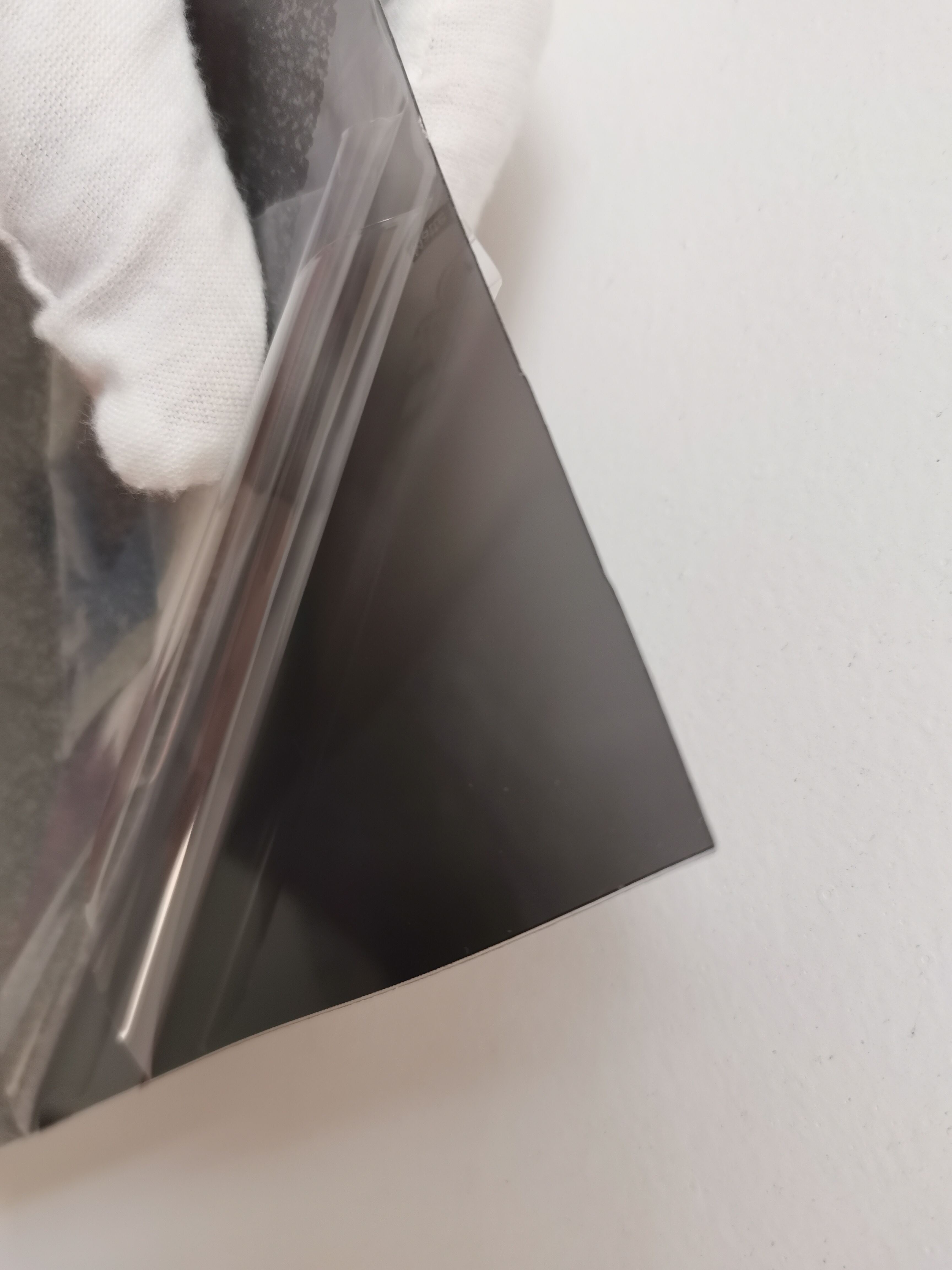
Modern smartphone users demand exceptional touch responsiveness and screen protection without compromising device functionality. The evolution of display protection technology has led to the development of advanced materials that can enhance rather than hinder touch sensitivity. Among these innovations, TPH hydrogel membrane technology stands out as a revolutionary solution that addresses both protection and performance requirements. This advanced material represents a significant leap forward in screen protection technology, offering users the perfect balance between durability and tactile responsiveness that traditional screen protectors often fail to achieve.
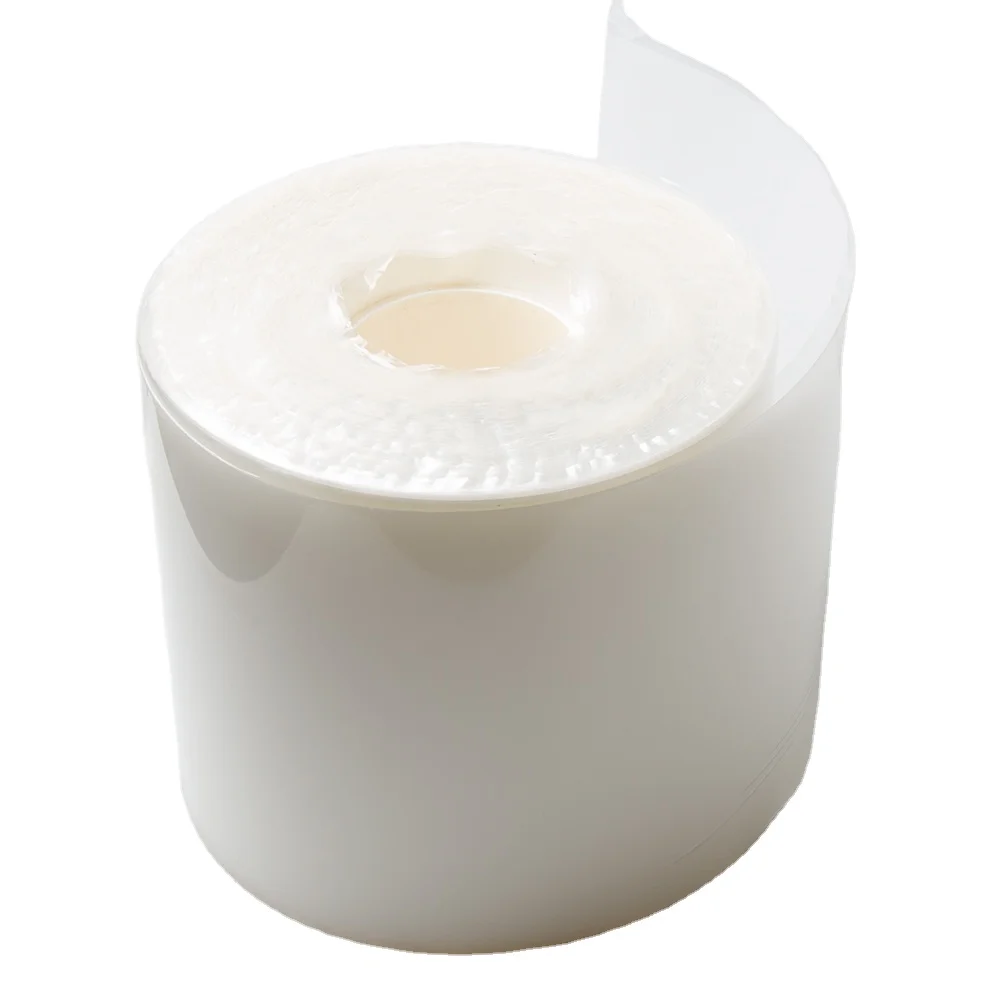
Understanding TPH Hydrogel Membrane Technology
Material Composition and Structure
The foundation of TPH hydrogel membrane effectiveness lies in its sophisticated molecular structure that combines thermoplastic properties with hydrogel characteristics. This unique composition creates a material that maintains flexibility while providing superior adhesion to smartphone screens. The membrane consists of cross-linked polymer chains that can absorb and redistribute pressure evenly across the surface, ensuring that touch inputs are transmitted with minimal interference. The hydrogel component allows the material to maintain optimal moisture levels, preventing the buildup of static electricity that can interfere with capacitive touch screens.
The thermoplastic element provides the membrane with self-healing properties that enable minor scratches and imperfections to disappear over time. This regenerative capability ensures that the touch sensitivity remains consistent throughout the product's lifespan, as surface irregularities that might otherwise disrupt touch recognition are automatically corrected. The molecular design also incorporates specific additives that enhance conductivity, allowing electrical signals from finger touches to pass through the membrane with greater efficiency than traditional protection films.
Electromagnetic Compatibility Features
Touch sensitivity in modern smartphones relies heavily on capacitive sensing technology that detects changes in electrical fields caused by finger contact. TPH hydrogel membrane is specifically engineered to maintain electromagnetic compatibility with these sensitive systems. The material's dielectric properties are carefully calibrated to match those of human skin and the underlying display technology, ensuring seamless signal transmission. This compatibility extends to various touch recognition algorithms, including multi-touch gestures, pressure sensitivity detection, and palm rejection functionality.
The membrane's electromagnetic transparency is achieved through precise control of material thickness and composition. Unlike conventional screen protectors that can create interference patterns or signal attenuation, TPH hydrogel membranes maintain consistent electrical properties across their entire surface area. This uniformity ensures that touch sensitivity remains constant regardless of finger position, pressure application angle, or environmental conditions such as temperature and humidity variations.
Touch Sensitivity Enhancement Mechanisms
Conductivity Optimization
The primary mechanism through which TPH hydrogel membrane improves touch sensitivity involves optimizing electrical conductivity between the user's finger and the device's capacitive sensors. The membrane incorporates conductive particles and ionic compounds that create pathways for electrical signal transmission while maintaining transparency and flexibility. These conductive elements are distributed uniformly throughout the material matrix, ensuring consistent performance across the entire protected surface area.
The conductivity enhancement is particularly noticeable in scenarios where users have dry skin or are wearing gloves, conditions that typically reduce touch responsiveness with standard screen protectors. The hydrogel component helps bridge the conductivity gap by maintaining optimal moisture levels at the interface between finger and screen. This moisture retention capability ensures that the electrical connection necessary for capacitive touch recognition remains stable even under challenging environmental conditions.
Surface Texture and Friction Control
Beyond electrical properties, TPH hydrogel membrane technology incorporates advanced surface engineering to optimize tactile feedback and finger glide characteristics. The membrane surface is designed with microscopic texturing that provides just enough friction to give users confident control over their interactions while minimizing resistance that could impede smooth gestures. This balanced approach ensures that typing, swiping, and precise touch inputs feel natural and responsive.
The surface treatment also incorporates oleophobic properties that resist fingerprint accumulation and smudging. Clean screen surfaces are essential for maintaining optimal touch sensitivity, as contaminants can interfere with capacitive sensing accuracy. The self-cleaning characteristics of TPH hydrogel membrane reduce the frequency of manual cleaning required while ensuring that accumulated residues don't compromise touch performance over extended use periods.
Installation and Performance Benefits
Application Process and Adhesion Technology
The installation process of TPH hydrogel membrane is designed to eliminate air bubbles and ensure perfect adhesion without compromising touch sensitivity. The membrane utilizes advanced adhesive technology that creates a molecular bond with the screen surface while maintaining removability without residue. This adhesive system is pressure-activated, meaning that proper installation techniques can achieve complete contact between the membrane and display without trapped air pockets that might interfere with touch recognition.
The self-adhesive properties of the membrane allow for repositioning during installation, giving users the opportunity to achieve perfect alignment without compromising the final bond strength. Once properly applied, the membrane conforms to the microscopic contours of the screen surface, creating an interface so seamless that the device's original touch sensitivity is not only preserved but often enhanced. The adhesive layer is specifically formulated to maintain its properties over extended periods, ensuring long-term performance stability.
Durability and Longevity Impact
Long-term touch sensitivity performance is a critical consideration for any screen protection solution. TPH hydrogel membrane technology addresses this concern through exceptional durability characteristics that prevent degradation of touch responsiveness over time. The material's resistance to wear, UV exposure, and chemical contamination ensures that touch sensitivity remains consistent throughout the product's operational lifespan.
The self-healing properties of the membrane play a crucial role in maintaining touch performance by eliminating surface imperfections that could disrupt capacitive sensing accuracy. Minor scratches and abrasions that would permanently damage traditional screen protectors are automatically repaired through the membrane's molecular restructuring capabilities. This continuous surface renewal ensures that touch sensitivity actually improves over time as the membrane adapts to usage patterns and environmental conditions.
Comparative Analysis with Traditional Protection Methods
Performance Metrics and User Experience
Comparative testing reveals significant advantages of TPH hydrogel membrane technology over conventional tempered glass and plastic film protectors in terms of touch sensitivity preservation. Laboratory measurements show reduced signal attenuation, improved multi-touch recognition accuracy, and enhanced pressure sensitivity detection when devices are protected with hydrogel membranes. These performance improvements translate directly into better user experience through more responsive interfaces and reduced input lag.
User feedback consistently indicates improved satisfaction with device responsiveness when TPH hydrogel membrane protection is applied. The enhanced touch sensitivity is particularly noticeable during precision tasks such as drawing, photo editing, and gaming where subtle finger movements must be accurately detected and translated into on-screen actions. The membrane's ability to maintain these performance characteristics under various environmental conditions further distinguishes it from alternative protection solutions.
Cost-Effectiveness and Value Proposition
While TPH hydrogel membrane technology may require a higher initial investment compared to basic screen protectors, the long-term value proposition becomes evident through extended lifespan, maintained performance characteristics, and reduced replacement frequency. The enhanced durability and self-healing properties mean that users can expect significantly longer service life without degradation of touch sensitivity or optical clarity.
The cost-effectiveness extends beyond the protection aspect to include the enhanced user experience and maintained device functionality. Users avoid the frustration and productivity loss associated with reduced touch sensitivity that commonly occurs with inferior protection solutions. The preserved resale value of devices that maintain optimal performance throughout their ownership period further contributes to the overall economic advantage of choosing advanced membrane technology.
FAQ
How does TPH hydrogel membrane maintain touch sensitivity better than glass protectors
TPH hydrogel membrane maintains superior touch sensitivity compared to glass protectors through its optimized electrical conductivity and molecular structure. The hydrogel component creates better electrical pathways between fingers and capacitive sensors, while the flexible material conforms perfectly to screen contours without air gaps that can interfere with touch recognition. The membrane's electromagnetic properties are specifically calibrated to match smartphone capacitive sensing requirements, resulting in enhanced rather than diminished touch responsiveness.
Can TPH hydrogel membrane improve touch sensitivity on older smartphone models
Yes, TPH hydrogel membrane can significantly improve touch sensitivity on older smartphone models that may have degraded capacitive sensing performance. The membrane's conductive properties and optimized electrical characteristics can compensate for age-related sensitivity decline in older devices. The enhanced conductivity pathways and moisture retention capabilities help bridge gaps in electrical signal transmission that may have developed over time, often restoring touch responsiveness to near-original levels.
What maintenance is required to preserve touch sensitivity with TPH hydrogel membrane
TPH hydrogel membrane requires minimal maintenance to preserve optimal touch sensitivity due to its self-cleaning and self-healing properties. Regular gentle cleaning with a microfiber cloth is sufficient to remove surface contaminants. The oleophobic surface treatment naturally repels fingerprints and oils, while the self-healing characteristics automatically repair minor surface imperfections that could affect touch performance. No special cleaning solutions or aggressive maintenance procedures are necessary.
How long does the enhanced touch sensitivity last with TPH hydrogel membrane protection
The enhanced touch sensitivity provided by TPH hydrogel membrane typically lasts for the entire lifespan of the protection, often 12-18 months or longer depending on usage patterns. The self-healing properties and stable molecular structure prevent degradation of electrical characteristics over time. Many users report that touch sensitivity actually improves during the initial weeks of use as the membrane fully conforms to the screen surface and adapts to individual usage patterns.
Table of Contents
- Understanding TPH Hydrogel Membrane Technology
- Touch Sensitivity Enhancement Mechanisms
- Installation and Performance Benefits
- Comparative Analysis with Traditional Protection Methods
-
FAQ
- How does TPH hydrogel membrane maintain touch sensitivity better than glass protectors
- Can TPH hydrogel membrane improve touch sensitivity on older smartphone models
- What maintenance is required to preserve touch sensitivity with TPH hydrogel membrane
- How long does the enhanced touch sensitivity last with TPH hydrogel membrane protection

