
 EN
EN
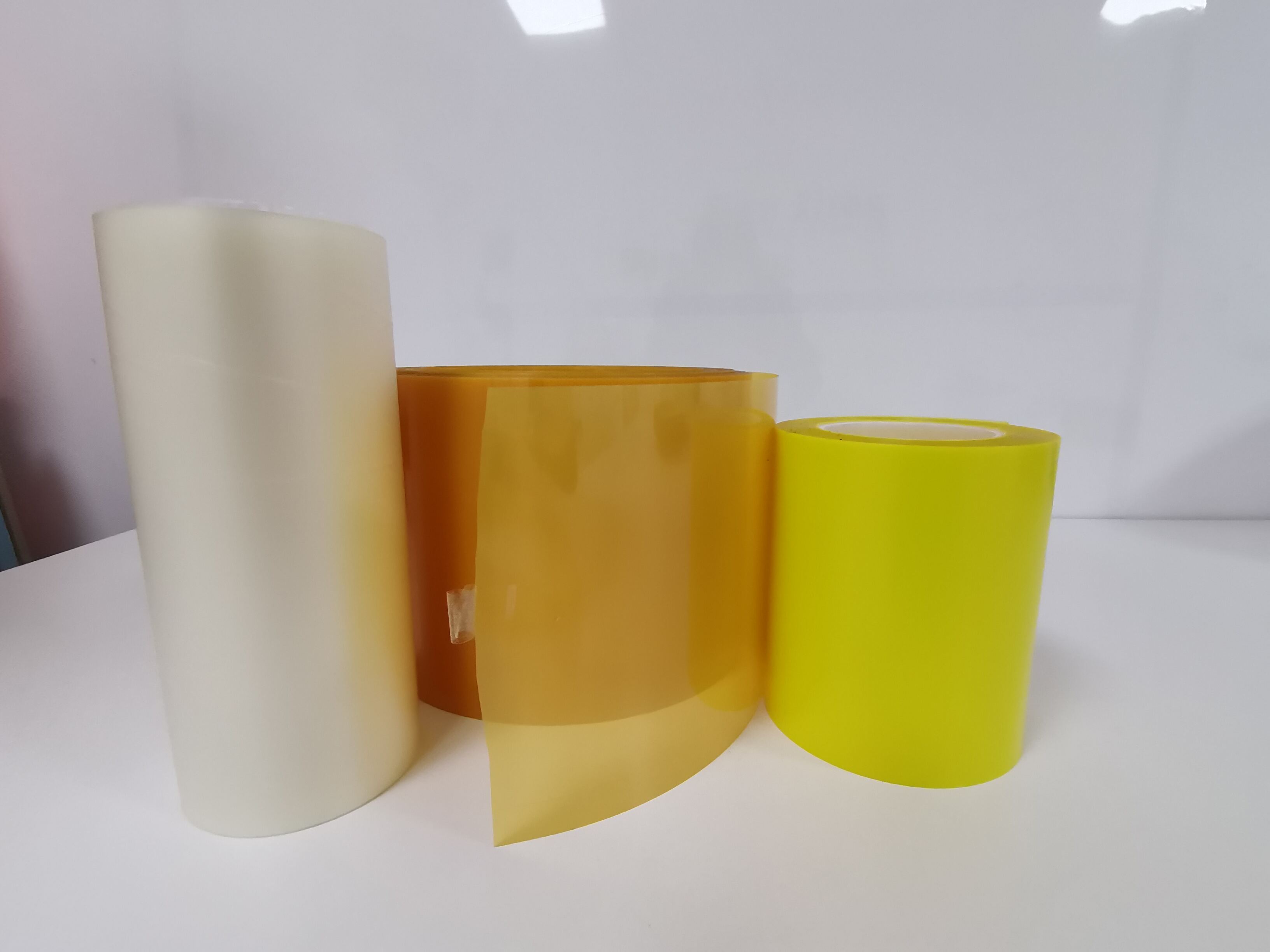
The protective film industry has experienced rapid transformation in recent years, driven by evolving consumer expectations, technological breakthroughs, and intensifying competition across mobile device accessories markets. At the center of this evolution stands TPU hydrogel film, a material that has redefined standards for screen protection through its self-healing properties, optical clarity, and installation flexibility. As market demands shift toward smarter, more durable, and environmentally conscious products, manufacturers face the ongoing challenge of adapting their production capabilities, material science expertise, and go-to-market strategies to maintain relevance and competitive advantage.
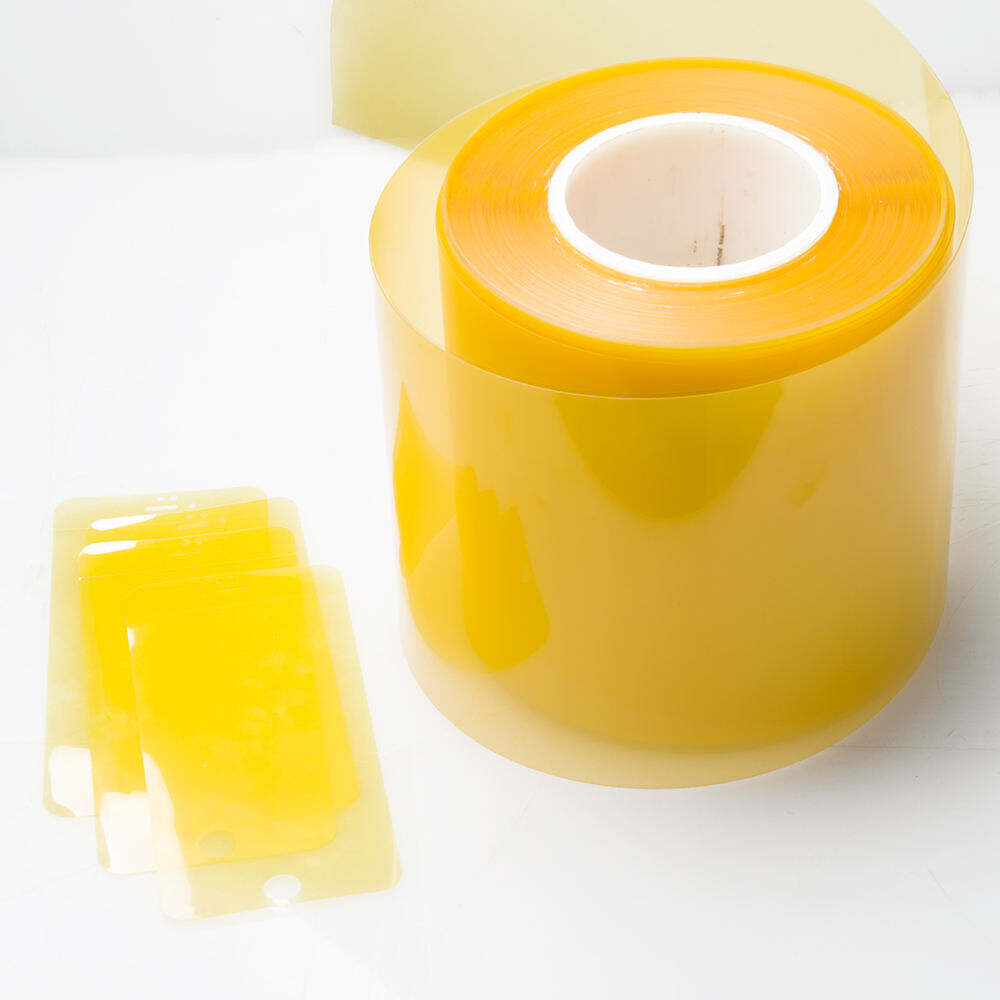
Understanding how TPU hydrogel film manufacturers adapt to market innovations requires examining the multifaceted strategies they deploy across research and development, manufacturing processes, supply chain management, and customer engagement. These manufacturers must balance technical excellence with commercial agility, responding to emerging trends such as foldable devices, antimicrobial coatings, blue light filtering, and sustainability requirements while maintaining cost competitiveness and production scalability. This article explores the specific mechanisms through which leading manufacturers navigate market innovations, revealing the operational, technological, and strategic adjustments that enable sustained growth in a dynamic industry landscape.
Advanced Material Science and Formula Optimization
Molecular Structure Innovation for Enhanced Performance
TPU hydrogel film manufacturers invest heavily in molecular engineering to enhance the fundamental properties that differentiate their products in competitive markets. The adaptation process begins at the polymer level, where research teams modify the thermoplastic polyurethane composition to achieve optimal balance between flexibility, tensile strength, and self-healing capabilities. By adjusting the ratio of hard and soft segments within the polymer chain, manufacturers can fine-tune characteristics such as elongation recovery, impact absorption, and surface smoothness. This molecular-level customization allows producers to create distinct product grades tailored to specific device categories, from standard smartphones to ruggedized industrial tablets.
The integration of advanced additives represents another critical adaptation strategy for TPU hydrogel film manufacturers responding to market innovations. Contemporary formulations often incorporate nano-scale materials that enhance functional properties without compromising optical clarity or installation performance. Manufacturers have developed proprietary additive systems that provide antimicrobial protection, UV resistance, and oleophobic surface characteristics. These functional enhancements address emerging consumer preferences and regulatory requirements across different geographic markets, enabling manufacturers to differentiate their offerings beyond basic protective functionality.
Self-Healing Technology Advancement
The self-healing property that defines TPU hydrogel film continues to evolve as manufacturers refine the mechanisms through which microscopic scratches disappear over time. Early generation products relied primarily on material elasticity and surface tension to close minor abrasions, but contemporary innovations have introduced accelerated healing processes triggered by heat or ambient environmental conditions. Manufacturers have adapted their formulations to reduce the healing time from hours to minutes, addressing consumer expectations for immediate performance recovery. This advancement required extensive testing protocols to identify polymer configurations that maintain long-term stability while exhibiting rapid scratch closure under normal usage temperatures.
Market feedback has driven manufacturers to expand the scope of self-healing capabilities beyond surface-level scratches to include restoration from deeper impacts and edge wear. This adaptation involves layering strategies where different TPU hydrogel film compositions work synergistically to distribute stress and facilitate repair at multiple depth levels. Manufacturers have developed testing methodologies that simulate real-world damage patterns, using these insights to refine material formulations that deliver consistent healing performance across diverse usage scenarios. The ability to demonstrate measurable self-healing effectiveness has become a key competitive differentiator as consumers become more sophisticated in evaluating protective film quality.
Optical Clarity and Touch Sensitivity Optimization
As smartphone displays advance toward higher resolution and more sophisticated touch technologies, TPU hydrogel film manufacturers must continuously adapt their products to maintain transparency and responsiveness. The challenge intensifies with the proliferation of devices featuring in-display fingerprint sensors, high refresh rate screens, and pressure-sensitive interfaces. Manufacturers have responded by developing ultra-thin formulations with precisely controlled refractive indices that minimize light interference and color distortion. This requires sophisticated quality control systems capable of detecting microscopic imperfections that could affect visual performance or touch recognition accuracy.
The adaptation to curved and edge-to-edge display designs has pushed manufacturers to innovate in both material composition and production techniques. TPU hydrogel film must conform to complex three-dimensional surfaces while maintaining consistent thickness and adhesive distribution. Manufacturers have developed specialized formulations with enhanced elongation properties that allow the film to stretch and adhere to curved edges without creating air gaps or distortion. This advancement required substantial investment in precision coating equipment and temperature-controlled curing processes that ensure uniform material properties across the entire film surface, regardless of the final application shape.
Manufacturing Process Evolution and Quality Control
Precision Coating Technology Implementation
The transition from traditional film production methods to advanced precision coating systems represents a fundamental adaptation for TPU hydrogel film manufacturers seeking to meet modern quality standards. Contemporary manufacturing lines employ multi-layer coating processes that apply distinct functional layers in controlled sequences, each optimized for specific performance attributes. These systems utilize gravure coating, slot-die coating, or micro-extrusion technologies that achieve thickness uniformity within micron-level tolerances. Manufacturers have invested in clean room environments with stringent particulate control to prevent contamination during the coating process, as even microscopic impurities can compromise optical clarity and self-healing performance.
The integration of automated inspection systems throughout the production process enables manufacturers to identify and correct defects in real-time, significantly improving yield rates and product consistency. Vision systems equipped with high-resolution cameras and artificial intelligence algorithms scan TPU hydrogel film continuously, detecting surface anomalies, thickness variations, and adhesive irregularities that would be imperceptible to human inspectors. This technological adaptation has reduced waste, accelerated production cycles, and established the data foundations for continuous process improvement. Manufacturers can now correlate production parameters with final product performance, enabling predictive adjustments that maintain optimal output quality even as raw material characteristics vary.
Flexible Production Capabilities for Device Diversity
The explosive growth in device models and screen configurations has compelled TPU hydrogel film manufacturers to develop highly flexible production systems capable of rapid changeovers and small-batch efficiency. Traditional mass production approaches optimized for long runs of identical products have given way to modular manufacturing architectures that accommodate diverse specifications without extensive downtime. Manufacturers have implemented digital die-cutting systems that can be reprogrammed instantly to produce different film shapes and sizes, eliminating the need for physical tooling changes. This adaptation enables economic production of protective films for niche device models alongside high-volume mainstream products.
The challenge of supporting foldable and flexible display devices has driven particularly significant manufacturing adaptations among TPU hydrogel film producers. These next-generation devices require protective films that can withstand repeated folding cycles without delaminating, cracking, or losing optical clarity. Manufacturers have developed specialized testing protocols that simulate hundreds of thousands of fold-and-unfold operations, using the results to refine material formulations and adhesive systems. Production processes have been adapted to create films with directional properties that align with folding axes, distributing stress optimally during device flexing. This innovation requires precise material orientation control during manufacturing and sophisticated quality verification procedures.
Sustainable Manufacturing Practices
Environmental sustainability has emerged as a critical market innovation driver, prompting TPU hydrogel film manufacturers to reevaluate their production processes and material sourcing strategies. Many manufacturers have adapted their operations to reduce solvent usage in coating processes, transitioning to water-based or solvent-free formulations that minimize volatile organic compound emissions. This shift required substantial reformulation work to maintain performance characteristics while meeting environmental compliance standards in key markets. Manufacturers have also implemented closed-loop solvent recovery systems and invested in wastewater treatment infrastructure that reduces environmental impact while potentially recovering valuable materials for reuse.
The adaptation extends to packaging and distribution practices, where manufacturers have introduced recyclable backing materials, reduced packaging volume, and optimized logistics to lower carbon footprints. Some producers have developed biodegradable release liners for TPU hydrogel film products, addressing concerns about plastic waste throughout the product lifecycle. These sustainability-focused adaptations respond to both regulatory pressures and growing consumer preference for environmentally responsible products, creating competitive advantages in markets where green credentials influence purchasing decisions. Manufacturers that successfully communicate these environmental adaptations often achieve premium positioning and enhanced brand reputation.
Product Development and Market Segmentation Strategies
Functional Enhancement Beyond Basic Protection
Contemporary market innovations demand that TPU hydrogel film manufacturers expand their value propositions beyond fundamental screen protection to incorporate additional functional benefits. Manufacturers have adapted their product portfolios to include films with integrated blue light filtering capabilities, addressing growing health concerns about prolonged screen exposure. This adaptation required incorporating specialized optical filters into the TPU hydrogel film structure without compromising clarity or touch sensitivity, a technical challenge that demanded extensive materials research and clinical validation. The resulting products appeal to health-conscious consumers and corporate buyers seeking to reduce employee eye strain.
Antimicrobial and antiviral surface treatments represent another significant functional adaptation driven by heightened hygiene awareness following global health events. Manufacturers have integrated silver ion technology, copper compounds, or photocatalytic materials into TPU hydrogel film surfaces, creating products that actively inhibit microbial growth on frequently touched device screens. This innovation required validating efficacy through standardized testing protocols while ensuring that antimicrobial agents do not degrade optical properties or interfere with device functionality. Manufacturers promoting these enhanced products have adapted their marketing strategies to emphasize health benefits alongside traditional protective attributes, appealing to institutional buyers in healthcare, education, and hospitality sectors.
Privacy and Security Feature Integration
The increasing importance of data privacy and visual security in professional environments has prompted TPU hydrogel film manufacturers to develop products with integrated privacy filtering capabilities. These specialized films incorporate micro-louver technology or polarizing layers that restrict viewing angles, making screen content visible only to users directly in front of the device while obscuring it from side perspectives. Adapting privacy technology to TPU hydrogel film formats required overcoming technical challenges related to film thickness, self-healing compatibility, and installation complexity. Manufacturers have developed proprietary layering techniques that maintain the material's characteristic flexibility and clarity while delivering effective privacy protection.
The adaptation to security-conscious market segments has also driven development of TPU hydrogel film products with enhanced fingerprint resistance and anti-glare properties optimized for outdoor visibility. These features address specific usage scenarios where standard protective films fall short, such as field service applications, outdoor navigation, or high-security environments. Manufacturers have created differentiated product lines targeting vertical markets, each optimized for distinct performance priorities. This segmentation strategy allows manufacturers to command premium pricing for specialized products while maintaining competitively priced offerings for mass-market applications, maximizing overall market coverage and revenue potential.
Customization and Personalization Capabilities
Market innovation toward personalized consumer electronics has prompted TPU hydrogel film manufacturers to develop customization capabilities that allow end-users or channel partners to create distinctive products. Some manufacturers have invested in digital printing technologies that can apply custom graphics, patterns, or branding elements directly onto TPU hydrogel film surfaces without compromising protective performance. This adaptation opens new business opportunities in corporate merchandise, promotional products, and consumer personalization markets. The technical challenge involves ensuring that printing processes do not interfere with self-healing properties or create surface irregularities that affect touch sensitivity.
The development of precision cutting services and device-specific packaging represents another customization-focused adaptation strategy. Manufacturers have established digital libraries containing precise dimensional specifications for thousands of device models, enabling automated production of perfectly fitted TPU hydrogel film units. Advanced manufacturers offer rapid response services that can produce custom-cut films for newly released devices within days of launch, providing competitive advantages to distributors and retailers seeking to capture early adopter markets. This capability requires substantial investment in design databases, cutting equipment flexibility, and supply chain responsiveness, but delivers significant market differentiation in highly competitive distribution channels.
Supply Chain Optimization and Market Responsiveness
Raw Material Sourcing and Quality Assurance
The foundation of successful market adaptation for TPU hydrogel film manufacturers rests on establishing resilient and quality-focused raw material supply chains. As performance requirements become more stringent, manufacturers have adapted their sourcing strategies to qualify multiple suppliers for critical polymer resins, adhesives, and functional additives. This diversification protects against supply disruptions while creating competitive pressure among suppliers to maintain quality and pricing discipline. Leading manufacturers have implemented vendor certification programs that require extensive testing and documentation before approving new material sources, ensuring consistency even when switching suppliers for commercial or logistical reasons.
The adaptation to sustainable and ethically sourced materials has become increasingly important as corporate social responsibility expectations intensify. TPU hydrogel film manufacturers have begun tracing raw material origins, verifying that polymer production processes meet environmental standards and that supply chains avoid problematic labor practices. Some manufacturers have partnered with chemical companies to develop bio-based polyurethane alternatives that reduce dependence on petroleum-derived materials while maintaining performance characteristics. These adaptations require substantial collaboration across the supply chain and often involve premium costs that manufacturers must balance against market willingness to pay for sustainable attributes.
Inventory Management and Demand Forecasting
The rapid pace of device model introductions and unpredictable consumer adoption patterns have driven TPU hydrogel film manufacturers to implement sophisticated inventory management systems that balance availability against obsolescence risk. Traditional inventory approaches based on historical sales patterns prove inadequate in markets characterized by short product lifecycles and volatile demand. Manufacturers have adapted by implementing data analytics platforms that integrate multiple demand signals, including device pre-order volumes, social media sentiment, retail point-of-sale data, and distributor inventory movements, to generate more accurate production forecasts and inventory positioning strategies.
The adaptation to just-in-time and postponement manufacturing strategies allows manufacturers to maintain production flexibility without excessive finished goods inventory. By producing TPU hydrogel film in master rolls and delaying final die-cutting until orders are confirmed, manufacturers can respond quickly to demand shifts while minimizing obsolete inventory write-offs. This approach requires close coordination with distribution partners and investment in rapid cutting and packaging capabilities that can fulfill orders within compressed timeframes. Manufacturers that successfully implement these adaptive supply chain practices achieve better capital efficiency and higher service levels compared to competitors relying on traditional make-to-stock approaches.
Logistics and Distribution Network Evolution
The globalization of electronics markets and the growth of e-commerce channels have compelled TPU hydrogel film manufacturers to adapt their distribution strategies and logistics infrastructure. Traditional models centered on regional distributors and retail channels have been supplemented with direct-to-consumer fulfillment capabilities and partnerships with online marketplaces. Manufacturers have established or contracted with fulfillment centers strategically located to serve major markets, enabling faster delivery and reducing shipping costs. This adaptation requires investment in warehouse management systems, quality control procedures for distributed facilities, and reverse logistics capabilities to handle returns and exchanges efficiently.
The adaptation to cross-border e-commerce has introduced regulatory compliance complexities that manufacturers must navigate successfully. Different markets impose varying standards for product safety documentation, labeling requirements, and environmental certifications. Leading TPU hydrogel film manufacturers have developed compliance management systems that track regulatory requirements across jurisdictions and automatically generate appropriate documentation for specific shipment destinations. This capability reduces market entry barriers and accelerates expansion into new geographic regions, providing growth opportunities that would be difficult to capture with traditional distribution models. Manufacturers that excel in regulatory adaptation gain competitive advantages in global market coverage.
Customer Engagement and Market Intelligence Systems
Direct Feedback Mechanisms and Co-Development
Forward-thinking TPU hydrogel film manufacturers have adapted their innovation processes to incorporate direct customer input through structured feedback mechanisms and co-development partnerships. Rather than relying solely on internal research and development initiatives, these manufacturers actively engage with key accounts, distribution partners, and end-user communities to identify unmet needs and validate product concepts before major investments. This adaptation shifts innovation from purely technology-push approaches toward market-pull models that align development priorities with actual customer pain points and willingness to pay for solutions.
The establishment of beta testing programs and early adopter communities represents a specific adaptation strategy that accelerates learning and reduces market risk. Manufacturers provide pre-release TPU hydrogel film samples to selected customers representing target segments, gathering detailed performance feedback under real-world conditions. This practice uncovers application issues and usage patterns that laboratory testing might miss, enabling refinements before full commercial launch. The adaptation requires building trust relationships with beta participants and implementing systematic feedback collection and analysis processes, but the resulting market intelligence significantly improves product-market fit and reduces costly post-launch corrections.
Digital Marketing and Educational Content Development
The complexity of modern TPU hydrogel film products and the proliferation of distribution channels have prompted manufacturers to adapt their marketing approaches toward educational content that builds understanding and preference. Traditional product-focused advertising has been supplemented with comprehensive digital resources including installation guides, performance comparison tools, compatibility databases, and troubleshooting support. Manufacturers have invested in content management systems and search engine optimization strategies that position their educational materials prominently when consumers research screen protection options, building brand authority and influencing purchase decisions at critical research stages.
Video content and social media engagement represent particularly important adaptation areas for reaching younger, digitally-native consumer segments. Manufacturers have developed installation tutorial videos demonstrating proper TPU hydrogel film application techniques, reducing customer frustration and return rates while building confidence in product usability. Social media monitoring tools enable manufacturers to track brand mentions, competitive comparisons, and emerging concerns in real-time, allowing rapid response to issues and identification of influential content creators who can amplify positive messages. This adaptation transforms marketing from one-way messaging toward ongoing dialogue that builds community and loyalty.
Technical Support Infrastructure and After-Sales Service
Recognizing that product performance extends beyond the physical TPU hydrogel film to encompass the entire ownership experience, leading manufacturers have adapted by establishing comprehensive technical support infrastructure. Multi-channel support systems including phone hotlines, email support, live chat, and AI-powered chatbots ensure that customers can obtain assistance through their preferred communication methods. This adaptation requires training support teams on product technical details, common installation challenges, and effective troubleshooting protocols. Manufacturers that excel in support responsiveness and problem resolution build reputational advantages that drive repeat purchases and positive word-of-mouth recommendations.
The implementation of warranty programs and satisfaction guarantees represents another customer-focused adaptation that reduces purchase risk and demonstrates manufacturer confidence in TPU hydrogel film quality. Clear warranty terms covering manufacturing defects and performance failures provide reassurance to price-sensitive buyers who might otherwise select cheaper alternatives. Some manufacturers have adapted their warranties to include installation assistance or replacement for user-caused application errors, removing a significant purchase barrier for first-time buyers. These programs require careful financial modeling to ensure sustainability while creating competitive differentiation that supports premium positioning and customer lifetime value optimization.
FAQ
What are the main challenges TPU hydrogel film manufacturers face when adapting to market innovations?
TPU hydrogel film manufacturers encounter several significant challenges when adapting to market innovations, with the most prominent being the rapid pace of device evolution that continuously introduces new screen configurations, sizes, and technologies requiring compatible protective solutions. Manufacturers must maintain extensive device databases and quickly develop fitting solutions for newly released models, often with compressed development timelines that test production flexibility and supply chain responsiveness. Another major challenge involves balancing performance enhancement with cost competitiveness, as advanced features like antimicrobial coatings or privacy filters add production complexity and material costs that must be justified through customer willingness to pay premium prices. Technical challenges also arise from the need to maintain core product attributes like optical clarity and self-healing capability while integrating new functional layers or adapting to curved display geometries. Additionally, manufacturers face regulatory compliance complexity across different geographic markets, each with distinct testing requirements, labeling standards, and environmental regulations that demand careful navigation and documentation systems.
How do manufacturers ensure TPU hydrogel film products remain compatible with evolving smartphone technologies?
Manufacturers ensure TPU hydrogel film compatibility with evolving smartphone technologies through proactive engagement with device manufacturers, industry standards organizations, and technology trend analysis. Leading manufacturers maintain relationships with major smartphone brands that sometimes provide advance specifications for upcoming devices, enabling parallel development of compatible protective films that launch simultaneously with new phones. Manufacturers invest in testing laboratories equipped with diverse current and emerging device technologies including in-display fingerprint sensors, facial recognition systems, wireless charging, and high-refresh-rate displays, validating that film materials do not interfere with these functions. They conduct electromagnetic compatibility testing to ensure metallic components or conductive coatings within TPU hydrogel film structures do not disrupt wireless communication or charging efficiency. Continuous monitoring of patent filings, technology conferences, and industry publications helps manufacturers anticipate future device features and begin exploratory research before technologies reach mass-market adoption. This forward-looking approach combined with rapid prototyping capabilities allows manufacturers to adapt formulations and production processes to maintain compatibility as smartphone technology boundaries expand, preserving their products' value propositions across device generations.
What role does automation play in helping manufacturers adapt to market innovations?
Automation serves as a critical enabler for TPU hydrogel film manufacturers adapting to market innovations by providing the flexibility, precision, and scalability necessary to respond quickly to changing requirements while maintaining quality consistency. Automated coating systems with programmable parameters allow manufacturers to switch between different formulations and layer configurations without extensive manual setup, accelerating the introduction of new product variants and supporting economic production of specialized films for niche applications. Robotic handling systems minimize contamination risks and ensure consistent material treatment throughout production processes, particularly important for maintaining the optical clarity and self-healing properties that define premium TPU hydrogel film products. Digital die-cutting systems represent particularly valuable automation investments, enabling manufacturers to produce custom-fitted films for thousands of device models without maintaining extensive physical tooling inventories, dramatically reducing changeover times and supporting rapid response to new device launches. Automated inspection systems equipped with machine vision and artificial intelligence capabilities detect defects and variations that would escape human detection, improving yield rates and establishing quality databases that inform continuous process improvement initiatives. Data collection and analysis automation provides manufacturers with real-time production insights, enabling predictive maintenance, process optimization, and rapid identification of quality trends before they result in customer complaints. These automation adaptations collectively enable manufacturers to maintain competitiveness in markets characterized by high product variety, demanding quality standards, and compressed innovation cycles.
How important is sustainability in driving manufacturing adaptations for TPU hydrogel film producers?
Sustainability has emerged as an increasingly important driver of manufacturing adaptations for TPU hydrogel film producers, influenced by regulatory requirements, corporate social responsibility commitments from major customers, and growing consumer preference for environmentally responsible products. Manufacturers have adapted formulations to reduce or eliminate hazardous substances, transitioning to water-based adhesive systems and solvent-free coating processes that minimize volatile organic compound emissions and workplace safety risks. Material sourcing adaptations increasingly emphasize bio-based polymer alternatives and recycled content incorporation, though technical challenges remain in maintaining performance characteristics equivalent to conventional petroleum-derived materials. Production process adaptations focus on energy efficiency improvements through equipment upgrades, waste reduction through yield optimization and material recovery systems, and water consumption minimization through closed-loop systems. Packaging innovations using recyclable materials and reduced packaging volume address environmental concerns throughout the product lifecycle while potentially reducing logistics costs. Some manufacturers have pursued formal environmental certifications and carbon footprint measurement systems that document sustainability performance and support marketing claims to environmentally conscious customers. The business case for sustainability adaptations strengthens as regulations tighten in key markets and as major electronics brands incorporate environmental criteria into supplier evaluation frameworks, making sustainability capability a competitive requirement rather than optional differentiation. Manufacturers that proactively embrace sustainability adaptations position themselves advantageously for regulatory compliance, premium market access, and alignment with the values of next-generation consumers who increasingly factor environmental impact into purchasing decisions.
Table of Contents
- Advanced Material Science and Formula Optimization
- Manufacturing Process Evolution and Quality Control
- Product Development and Market Segmentation Strategies
- Supply Chain Optimization and Market Responsiveness
- Customer Engagement and Market Intelligence Systems
-
FAQ
- What are the main challenges TPU hydrogel film manufacturers face when adapting to market innovations?
- How do manufacturers ensure TPU hydrogel film products remain compatible with evolving smartphone technologies?
- What role does automation play in helping manufacturers adapt to market innovations?
- How important is sustainability in driving manufacturing adaptations for TPU hydrogel film producers?

