
 EN
EN
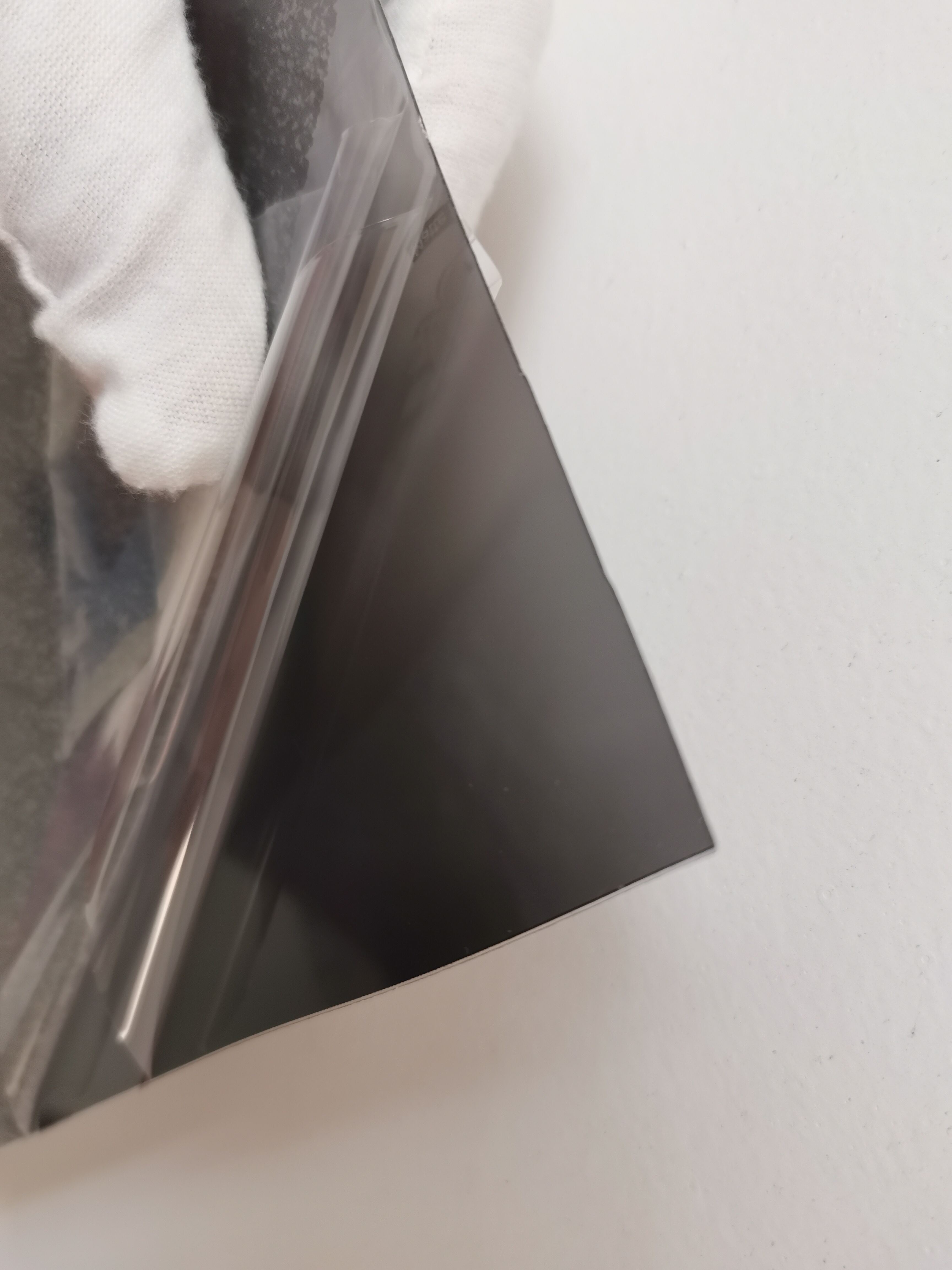
The rapid adoption of anti-rainproof film across automotive and construction industries reflects a significant shift in how professionals address visibility, safety, and surface protection challenges. This specialized protective coating technology has emerged as a critical solution for manufacturers, contractors, and end-users seeking reliable performance under adverse weather conditions. Understanding the driving forces behind this trend requires examining the intersection of material science innovation, regulatory pressures, and evolving market demands that have positioned anti-rainproof film as an essential component in modern vehicle design and building envelope systems.
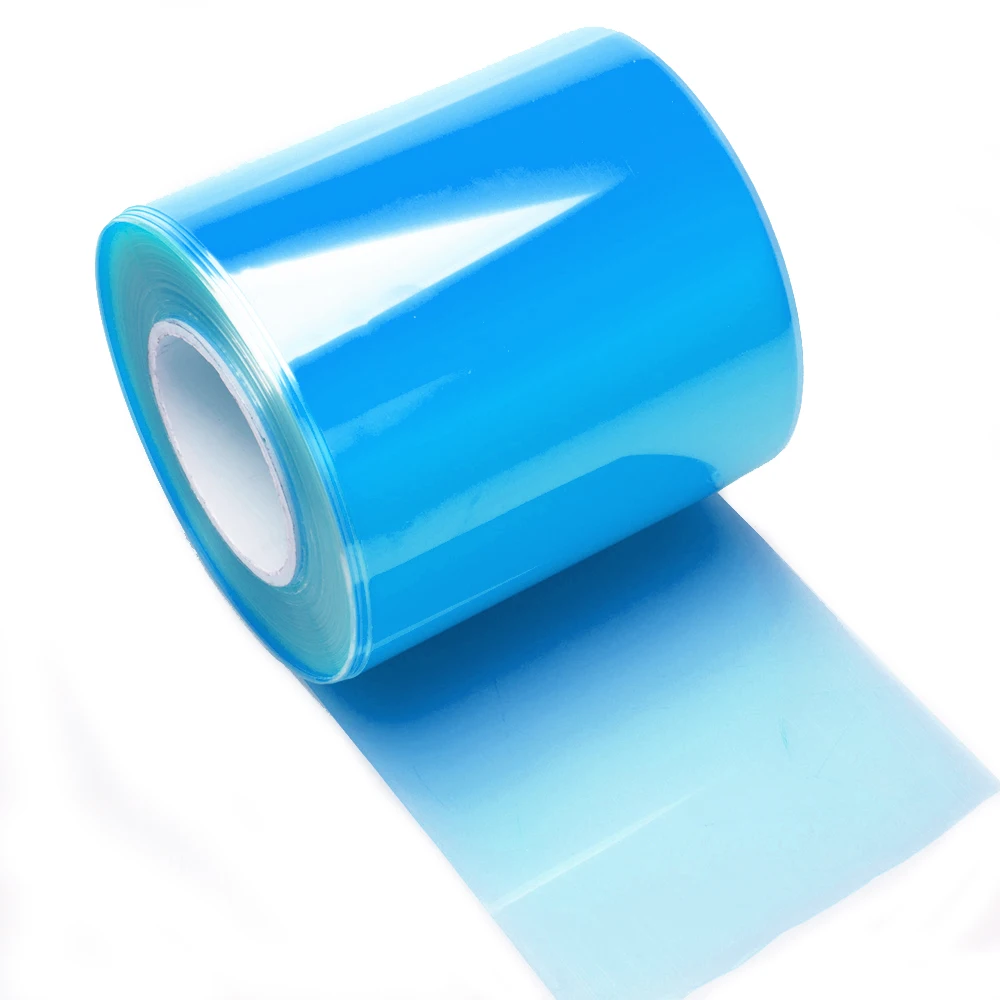
The increasing popularity of anti-rainproof film stems from measurable improvements in operational safety, maintenance cost reduction, and enhanced user experience across diverse applications. As automotive manufacturers face stricter safety standards and construction projects demand longer-lasting exterior solutions, this technology delivers tangible value that traditional treatments cannot match. The film's ability to maintain optical clarity while repelling water has created new possibilities for design innovation and functional performance, making it an indispensable material in sectors where visibility and weather resistance directly impact safety outcomes and operational efficiency.
Core Performance Advantages Driving Industry Adoption
Enhanced Visibility and Safety Performance
The primary reason anti-rainproof film has gained traction in automotive applications centers on its superior visibility enhancement during precipitation events. Unlike conventional wiper systems that create momentary blind spots with each sweep cycle, anti-rainproof film creates a hydrophobic surface that causes water droplets to bead and roll off at speeds as low as 30 kilometers per hour. This continuous clarity proves particularly valuable in heavy rain conditions where traditional windshield treatments fail to maintain consistent optical quality. Fleet operators have documented reduction in weather-related incidents by implementing this technology across commercial vehicle windshields and side mirrors.
Construction sector applications demonstrate similar safety benefits, particularly in glazing systems for high-rise buildings and industrial facilities. When applied to exterior glass surfaces, anti-rainproof film maintains visual transparency that allows natural light transmission while preventing water accumulation that obscures views and creates maintenance hazards. Building managers report fewer complaints about impaired sightlines during storms, and window cleaning intervals can be extended significantly without compromising aesthetic standards. The film's performance remains stable across temperature ranges from negative twenty to positive eighty degrees Celsius, ensuring year-round reliability in diverse climate zones.
Durability and Maintenance Cost Reduction
Long-term economic benefits constitute another compelling factor explaining why anti-rainproof film adoption continues accelerating. Traditional rain repellent coatings typically require reapplication every three to six months, generating recurring labor and material expenses. In contrast, professionally installed anti-rainproof film demonstrates functional longevity exceeding three years under normal use conditions, with some premium formulations maintaining effectiveness for five years or longer. This extended service life translates directly into lower lifecycle costs, particularly for fleet operators managing hundreds of vehicles or facility managers responsible for extensive glazing systems.
The mechanical durability of modern anti-rainproof film formulations also contributes to its growing popularity. Advanced polymer matrices resist scratching from wiper blade contact, resist degradation from UV exposure, and maintain adhesion integrity despite thermal cycling between extreme temperatures. Construction applications benefit from the film's resistance to airborne contaminants and pollution particles that would otherwise require frequent cleaning interventions. Quantitative studies indicate maintenance labor reductions of forty to sixty percent when anti-rainproof film replaces traditional surface treatments, creating substantial operational savings over multi-year evaluation periods.
Environmental and Regulatory Compliance Benefits
Increasing environmental consciousness and evolving regulatory frameworks have elevated anti-rainproof film as a preferred solution over chemical-based alternatives. Many traditional rain repellents contain volatile organic compounds and fluorinated chemicals that face growing restrictions under environmental protection regulations in major markets. Anti-rainproof film offers a mechanically stable, chemically inert alternative that eliminates ongoing chemical reapplication cycles and associated environmental release concerns. Automotive manufacturers particularly value this compliance advantage as they work to meet corporate sustainability commitments and navigate complex international chemical regulations.
In construction contexts, the film's contribution to building performance certifications has accelerated adoption among developers pursuing green building credentials. By reducing cleaning chemical usage and extending the functional life of glazing systems, anti-rainproof film supports points accumulation in various environmental rating systems. The technology also indirectly contributes to energy efficiency by maintaining optimal light transmission characteristics that reduce artificial lighting needs. These sustainability dimensions resonate strongly with institutional buyers and government procurement specifications, creating market pull that manufacturers have recognized and responded to with expanded product offerings.
Technological Innovations Enabling Market Expansion
Advanced Material Science Developments
Recent breakthroughs in polymer chemistry and nanotechnology have dramatically improved anti-rainproof film performance characteristics, making the technology viable for applications previously considered impractical. Modern formulations incorporate nanostructured surface architectures that create superhydrophobic properties with contact angles exceeding one hundred fifty degrees, ensuring water droplets maintain spherical geometry with minimal surface contact. This nanoscale engineering approach delivers superior performance compared to earlier generation products while maintaining optical transparency that exceeds ninety-two percent across visible wavelengths.
Manufacturers have also developed multi-layer film architectures that combine water repellency with additional functional properties. Some advanced anti-rainproof film products integrate anti-fog capabilities through moisture management layers, UV filtering components for occupant protection, and even infrared rejection properties that contribute to thermal comfort. This functional integration appeals particularly to automotive OEMs seeking to consolidate multiple treatments into single installation processes, reducing manufacturing complexity while enhancing end-user value. Construction specifiers similarly appreciate multi-functional films that address several performance requirements simultaneously, simplifying procurement and installation coordination.
Manufacturing Scalability and Cost Efficiency
The growing popularity of anti-rainproof film directly correlates with manufacturing advances that have reduced production costs while improving quality consistency. Continuous roll-to-roll processing technologies now enable high-volume production with precise thickness control and uniform coating distribution across wide widths. These manufacturing efficiencies have lowered per-square-meter costs by approximately thirty to forty percent over the past five years, bringing anti-rainproof film pricing into competitive range with premium chemical treatments when lifecycle costs are properly evaluated.
Automation in application processes has further accelerated market penetration by reducing installation complexity and labor requirements. Pre-cut film kits designed for specific vehicle models or standard architectural glass dimensions enable faster, more consistent installation with minimal training requirements. Some manufacturers now offer digital templating systems that allow custom sizing from CAD files, supporting both high-volume production runs and specialized one-off applications. This flexibility in manufacturing and application has opened market segments previously constrained by cost or technical feasibility considerations, contributing significantly to the technology's expanding footprint.
Performance Validation and Standardization
Industry-wide acceptance of anti-rainproof film has been substantially aided by development of standardized testing protocols and performance certification frameworks. International standards organizations have established measurement methodologies for hydrophobicity, optical clarity, durability under accelerated weathering, and adhesion strength. These standardized evaluation criteria enable objective product comparisons and provide procurement professionals with reliable data for specification decisions. Automotive safety testing organizations have incorporated anti-rainproof film performance into broader visibility assessment protocols, lending credibility to manufacturer claims and supporting regulatory acceptance.
Third-party certification programs have emerged specifically for anti-rainproof film products, offering independent verification of performance claims and quality consistency. These certification marks have become increasingly important in construction markets where specifiers require documented evidence of product capabilities before approving materials for major projects. The availability of certified test data also facilitates insurance underwriting and warranty programs, reducing risk perception among building owners and facility managers. This infrastructure of validation and standardization has matured alongside the technology itself, creating market confidence that accelerates adoption rates across both automotive and construction sectors.
Market Dynamics and Sector-Specific Demand Drivers
Automotive Sector Growth Factors
Within automotive markets, the popularity of anti-rainproof film is being driven by multiple concurrent trends that align with broader industry evolution. The shift toward advanced driver assistance systems and eventually autonomous vehicles places unprecedented emphasis on sensor clarity and unobstructed visibility. Anti-rainproof film applied to camera housings, LIDAR windows, and sensor arrays ensures these critical systems maintain functionality during precipitation events. As vehicle automation levels increase, the importance of weather-independent sensor performance becomes paramount, creating sustained demand for reliable protective films.
Premium vehicle segments have embraced anti-rainproof film as a differentiating feature that enhances perceived quality and technological sophistication. Luxury automotive brands now specify this technology as standard equipment on flagship models, particularly for exterior mirrors, rear windows, and panoramic roof systems where conventional wiper mechanisms prove impractical. This premium positioning has created aspirational demand in volume segments, with aftermarket suppliers experiencing strong growth as consumers seek to retrofit the technology to existing vehicles. The commercial fleet sector represents another major growth driver, with logistics companies, rental operations, and public transportation providers recognizing the safety and maintenance benefits that justify investment in anti-rainproof film solutions.
Construction Industry Application Expansion
Construction sector adoption of anti-rainproof film reflects evolving architectural design philosophies that prioritize extensive glazing and transparent building envelopes. Modern commercial architecture features floor-to-ceiling windows and glass curtain wall systems that maximize natural light and provide unobstructed views. However, these expansive glass surfaces require effective water management to maintain aesthetic appeal and prevent water staining. Anti-rainproof film addresses this challenge by enabling self-cleaning properties that preserve the visual impact architects intend while reducing maintenance burdens that building owners face.
Infrastructure projects represent an emerging application domain where anti-rainproof film delivers unique value. Transportation facilities including airports, train stations, and bus terminals utilize extensive glazing in passenger areas where visibility and cleanliness directly impact user experience. Applied to skylights, canopies, and vertical glazing, the film maintains transparency while shedding rainwater that would otherwise create visual obstruction and require frequent cleaning interventions. Sports facilities and exhibition centers with retractable roof systems have similarly adopted the technology to ensure consistent visibility regardless of weather conditions. These specialized applications contribute to growing recognition of anti-rainproof film as a versatile solution applicable across diverse built environment contexts.
Geographic Market Variations and Growth Patterns
Regional differences in climate conditions, regulatory frameworks, and market maturity create distinct adoption patterns that collectively drive global growth in anti-rainproof film usage. Markets characterized by high annual precipitation levels naturally demonstrate stronger demand, with regions experiencing frequent rain events showing adoption rates thirty to fifty percent higher than arid climate zones. However, even dry regions experience growing interest as users recognize the film's benefits for dust management and reduced cleaning requirements during occasional precipitation.
Regulatory environments significantly influence market development trajectories. Jurisdictions with stringent building energy codes and sustainability requirements create favorable conditions for anti-rainproof film adoption by recognizing its contributions to operational efficiency and environmental performance. Similarly, automotive safety regulations that mandate specific visibility standards during adverse weather conditions indirectly support market expansion by establishing performance baselines that anti-rainproof film readily satisfies. Emerging markets demonstrate particularly rapid growth as new construction and vehicle fleet expansion coincide with immediate availability of advanced film technologies, allowing these regions to leapfrog older treatment methodologies entirely.
Implementation Considerations and Value Optimization
Application Methodology and Installation Quality
Realizing the full potential of anti-rainproof film requires proper installation techniques that ensure optimal adhesion and performance longevity. Surface preparation proves critical, with substrate cleanliness directly impacting bond strength and long-term durability. Professional installation protocols specify multi-stage cleaning processes that remove oils, residues, and contaminants that would compromise adhesion. Automotive applications typically employ wet installation methods that allow positioning adjustments before final curing, while construction applications may utilize dry application techniques for vertical surfaces where gravitational effects complicate wet methods.
Environmental conditions during installation significantly affect outcome quality. Temperature and humidity parameters must fall within manufacturer-specified ranges to ensure proper adhesive activation and curing kinetics. Rushed installations performed outside optimal conditions frequently result in edge lifting, bubble formation, or incomplete adhesion that undermines performance and necessitates premature replacement. Quality-conscious specifiers increasingly require certified installers who demonstrate proficiency with specific product systems, recognizing that material quality alone cannot compensate for improper application technique. This emphasis on installation competency has spawned training programs and certification frameworks that support industry professionalization.
Performance Optimization Through System Integration
Maximum value from anti-rainproof film emerges when the technology integrates thoughtfully within broader system designs rather than functioning as isolated component. In automotive contexts, optimal results occur when film specifications align with wiper system geometries, glass curvatures, and defrost capabilities. Some vehicle manufacturers now design windshield profiles specifically to complement anti-rainproof film hydrophobic properties, creating synergistic effects that exceed standalone component performance. Similarly, exterior lighting systems can be positioned to enhance water shedding dynamics, with light angles that accentuate the visual effect of water beading and rolling off treated surfaces.
Construction applications benefit from integration with building management systems and facade maintenance programs. When anti-rainproof film deployment coordinates with automated shading devices, daylighting controls, and scheduled cleaning protocols, the cumulative system performance exceeds individual component contributions. Building information modeling increasingly incorporates anti-rainproof film specifications during design phases, allowing architects and engineers to optimize glazing layouts, drainage details, and maintenance access provisions. This holistic approach to system integration represents mature market thinking that extracts maximum value from the technology investment.
Lifecycle Management and Performance Monitoring
Sustaining anti-rainproof film performance over its intended service life requires appropriate maintenance practices and periodic assessment protocols. While the technology dramatically reduces cleaning frequency compared to untreated surfaces, occasional maintenance remains necessary to remove accumulated contaminants that can gradually impair hydrophobic properties. Gentle cleaning with pH-neutral solutions and soft materials preserves surface integrity, while abrasive cleaners or harsh chemicals can damage the functional coating and reduce effectiveness. Establishing maintenance schedules based on exposure conditions and usage intensity optimizes performance longevity.
Performance monitoring systems enable proactive management that identifies degradation before functional failure occurs. Visual inspection protocols can detect early signs of wear including reduced water contact angles, increased droplet adhesion, or surface haziness that indicates coating deterioration. Quantitative assessment tools measure contact angles and sliding angles to objectively evaluate performance against baseline specifications. Some large-scale installations now incorporate automated monitoring using image analysis algorithms that track water behavior during rain events, generating alerts when performance metrics fall below acceptable thresholds. These sophisticated management approaches maximize return on investment by ensuring timely interventions that extend effective service life.
Future Trajectory and Emerging Applications
Technology Evolution and Next-Generation Capabilities
Ongoing research and development efforts promise to expand anti-rainproof film capabilities beyond current performance boundaries. Emerging formulations incorporate self-healing polymers that autonomously repair minor surface damage, potentially extending functional life to ten years or more in demanding applications. Smart film variants under development feature tunable hydrophobicity controlled through electrical signals, enabling dynamic adjustment of water-shedding properties based on real-time weather conditions or user preferences. These intelligent materials represent convergence of anti-rainproof film technology with broader smart material innovations gaining traction across multiple industries.
Multifunctional integration continues advancing as manufacturers develop films that combine water repellency with additional performance attributes. Next-generation products may incorporate antimicrobial properties that prevent biofilm formation, photocatalytic coatings that break down organic contaminants, or even energy harvesting capabilities that generate small electrical currents from raindrop impact. These expanded functionality profiles position anti-rainproof film as platform technology rather than single-purpose material, opening application possibilities in medical equipment, electronic devices, renewable energy systems, and other sectors beyond traditional automotive and construction markets.
Market Expansion Into Adjacent Sectors
The proven performance of anti-rainproof film in automotive and construction contexts is driving exploration of applications in related industries facing similar visibility and maintenance challenges. Marine sector interest is growing as boat manufacturers and commercial vessel operators recognize potential benefits for windshields, portholes, and navigation equipment. Aviation applications are under evaluation for both commercial aircraft and unmanned aerial vehicles, where maintaining sensor and camera clarity during flight through precipitation proves critical. Agricultural equipment manufacturers are testing anti-rainproof film on cab windows and camera systems used in precision farming operations conducted regardless of weather conditions.
Consumer electronics represents an emerging frontier where miniaturized anti-rainproof film applications show promise. Smartphone cameras, outdoor security systems, and wearable devices all face water exposure challenges that current designs address through mechanical barriers or hydrophobic coatings with limited durability. Adapted anti-rainproof film formulations scaled to small form factors could provide superior protection while maintaining optical quality essential for imaging applications. As these adjacent markets validate the technology's versatility, cross-sector momentum builds that reinforces continued investment and innovation in core anti-rainproof film capabilities.
Sustainability and Circular Economy Integration
Future market development will increasingly emphasize environmental sustainability dimensions beyond the operational benefits anti-rainproof film currently delivers. Manufacturers are developing bio-based polymer formulations derived from renewable feedstocks that reduce dependence on petroleum-derived materials. End-of-life management solutions including film recycling programs and biodegradable variants address growing concerns about plastic waste accumulation. These sustainability innovations align with corporate responsibility commitments and regulatory trends toward circular economy principles, ensuring anti-rainproof film remains viable solution as environmental standards continue tightening.
Life cycle assessment methodologies are being applied to comprehensively evaluate anti-rainproof film environmental impacts from raw material extraction through disposal. Preliminary studies indicate favorable profiles compared to chemical treatments requiring repeated application, but detailed analysis across diverse application contexts remains ongoing. Third-party environmental certifications and eco-labels are emerging to help specifiers identify products with verified sustainability credentials. As these analytical frameworks mature and transparency improves, environmental performance will likely become differentiating factor influencing product selection alongside traditional technical and economic criteria.
FAQ
How long does anti-rainproof film typically maintain effective performance?
Professional-grade anti-rainproof film generally maintains effective hydrophobic performance for three to five years under normal use conditions, with premium formulations potentially extending to seven years or longer. Actual service life varies based on exposure intensity, maintenance practices, and environmental factors including UV radiation levels, temperature extremes, and chemical exposure from pollutants or cleaning agents. Properly installed film on automotive windshields typically requires replacement after approximately 40,000 to 60,000 kilometers of driving, while building glazing applications in moderate climates may exceed five-year functional life. Regular gentle cleaning and avoidance of abrasive contact significantly extends effective duration compared to neglected installations.
Can anti-rainproof film be applied to existing surfaces or only during manufacturing?
Anti-rainproof film accommodates both original equipment installation during manufacturing processes and aftermarket application to existing surfaces. Retrofit applications prove particularly common in automotive contexts where vehicle owners seek to add the technology to cars not originally equipped with it. Surface condition critically impacts aftermarket success, with newer, undamaged glass or acrylic substrates accepting film more reliably than aged surfaces with existing scratches or weathering. Construction applications frequently involve retrofit installations during renovation projects or as performance upgrades to existing buildings. Professional surface preparation including thorough cleaning and minor defect remediation enables successful application to most glass, polycarbonate, and acrylic surfaces regardless of age, though optimal results always favor application to new substrates.
Does anti-rainproof film affect optical clarity or visibility under normal conditions?
High-quality anti-rainproof film maintains excellent optical clarity with light transmission typically exceeding ninety-two percent across visible wavelengths, resulting in minimal perceptible difference compared to untreated glass under dry conditions. Advanced formulations utilize nanoscale surface structures that manipulate water behavior without creating optical interference or haze. Some users report slight reduction in glare from oncoming headlights or sunlight, which many consider beneficial rather than detrimental. Lower-quality films or improperly installed products may exhibit slight haziness or color tinting, emphasizing the importance of selecting reputable products and professional installation services. Optical distortion remains negligible with properly applied film, meeting stringent automotive safety standards and architectural glazing specifications for visual clarity.
What maintenance does anti-rainproof film require to sustain performance?
Anti-rainproof film requires minimal maintenance compared to untreated surfaces, though periodic gentle cleaning optimizes longevity and sustained performance. Recommended practices include rinsing with clean water to remove loose contaminants followed by washing with pH-neutral automotive or glass cleaning solutions applied with soft microfiber cloths. Abrasive cleaners, harsh chemicals, and rough scrubbing materials should be avoided as they can damage the hydrophobic surface structure. Cleaning frequency depends on exposure conditions, with heavily used automotive applications benefiting from monthly attention while protected building glazing may require only quarterly maintenance. Some manufacturers offer specialized cleaning products formulated to preserve film properties, though quality-neutral cleaners prove adequate for most applications when used properly.
Table of Contents
- Core Performance Advantages Driving Industry Adoption
- Technological Innovations Enabling Market Expansion
- Market Dynamics and Sector-Specific Demand Drivers
- Implementation Considerations and Value Optimization
- Future Trajectory and Emerging Applications
-
FAQ
- How long does anti-rainproof film typically maintain effective performance?
- Can anti-rainproof film be applied to existing surfaces or only during manufacturing?
- Does anti-rainproof film affect optical clarity or visibility under normal conditions?
- What maintenance does anti-rainproof film require to sustain performance?

