
 EN
EN
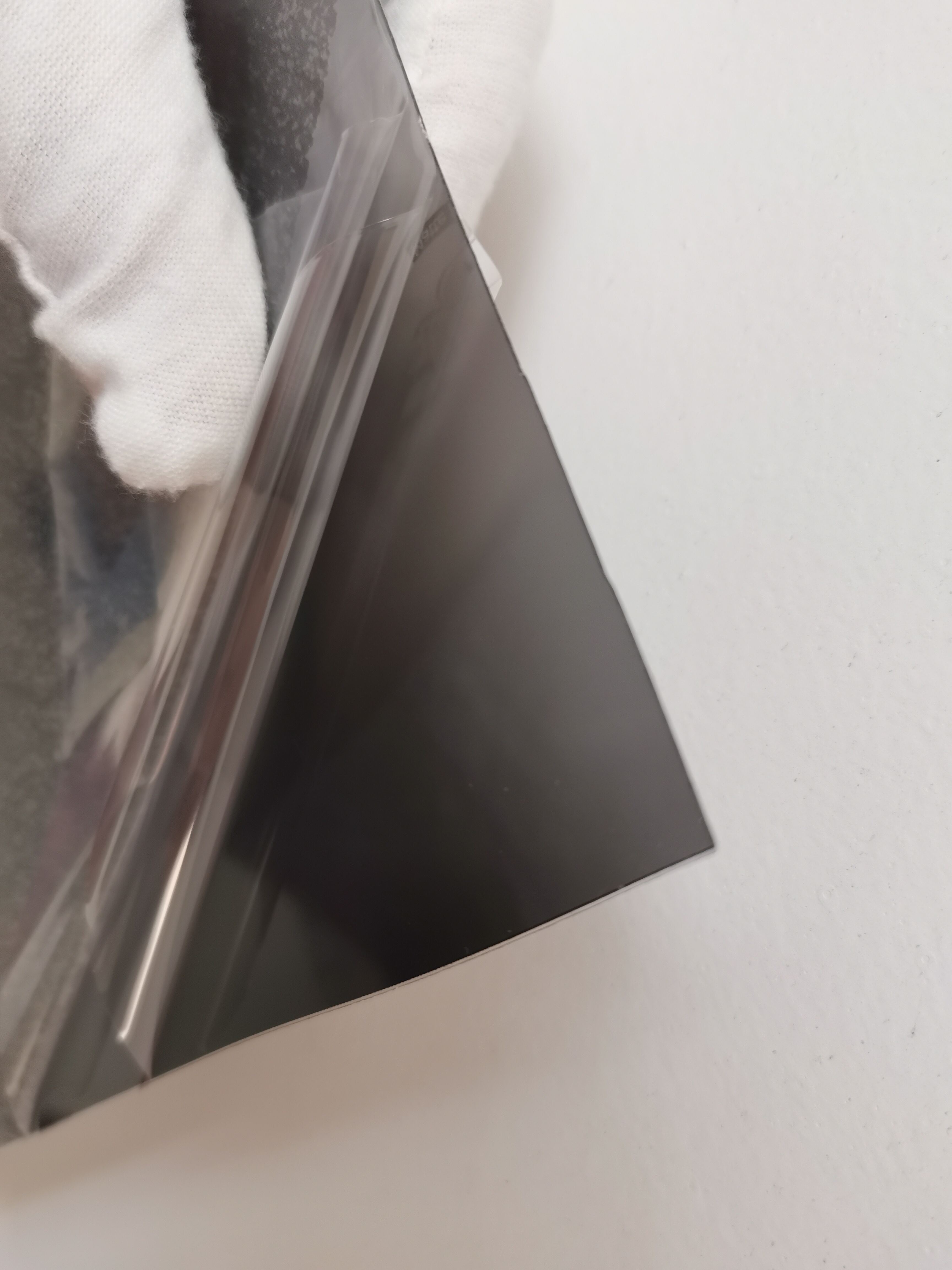
When drivers search for reliable water-repellent solutions, the debate between anti-rainproof film and standard protective coatings comes up repeatedly. Anti-rainproof film has gained significant attention in the automotive market because it delivers consistent hydrophobic performance directly on glass surfaces such as windshields and side mirrors. Understanding how anti-rainproof film actually differs from conventional coatings helps buyers make smarter decisions for their vehicles and business procurement.
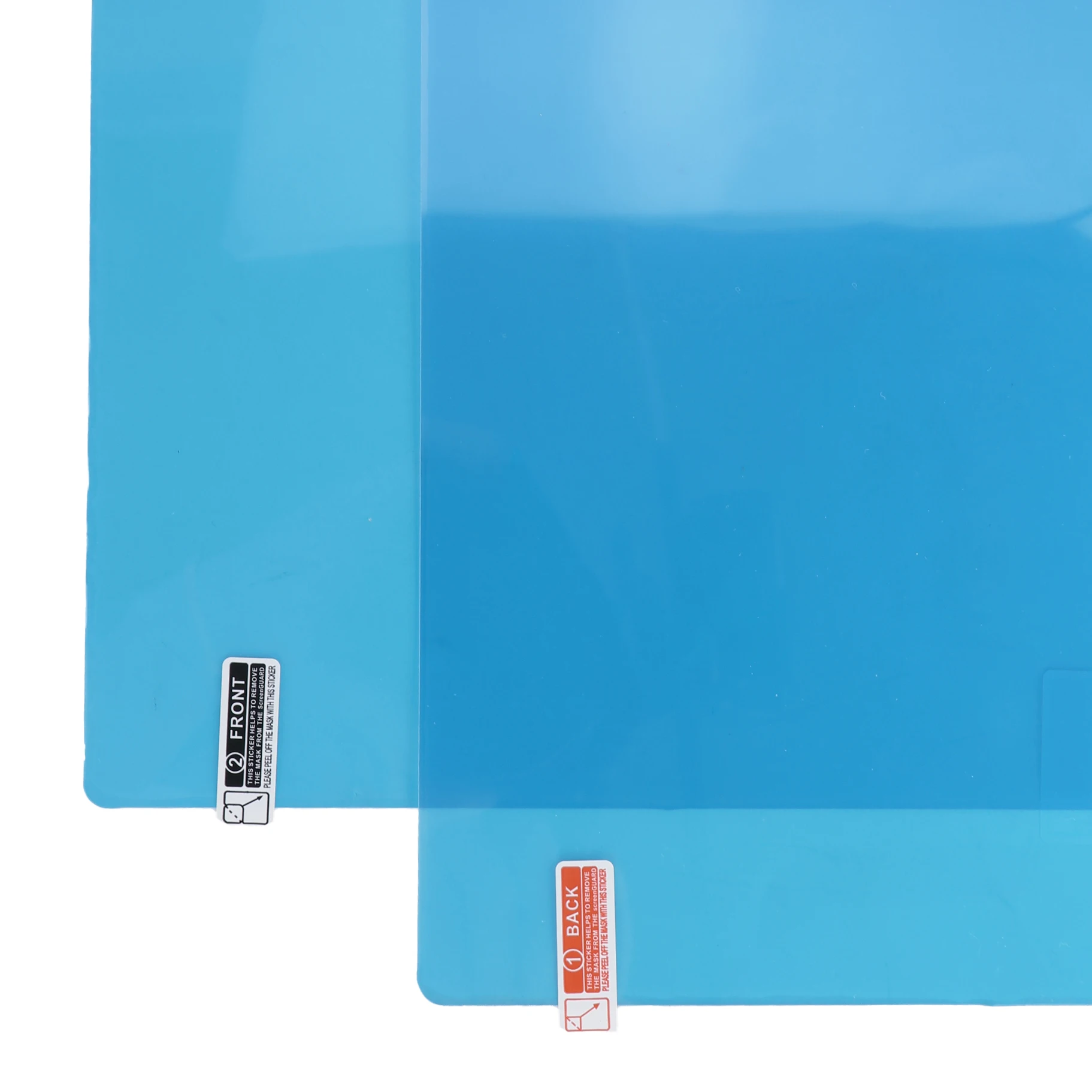
Standard protective coatings have served the automotive industry for decades, offering surface protection against scratches, UV rays, and environmental contaminants. However, anti-rainproof film operates on a fundamentally different principle, using a physical barrier layer rather than a chemical treatment bonded directly to the glass. This distinction shapes every performance characteristic, from visibility during heavy rain to long-term durability under harsh driving conditions. Choosing between anti-rainproof film and a standard coating requires examining several key comparison points carefully.
Core Functional Differences Between Anti-Rainproof Film and Standard Coatings
How Each Solution Repels Water
Anti-rainproof film works by applying a pre-engineered hydrophobic film layer directly onto glass. This anti-rainproof film creates a smooth, low-friction surface that causes water droplets to bead up and roll off rapidly, even at moderate vehicle speeds. The film structure ensures that the hydrophobic property is built into the material itself, making it consistent and predictable across the entire covered surface.
Standard protective coatings, by contrast, rely on chemical compounds such as silica-based or ceramic formulas that bond to the glass surface at a molecular level. While these coatings can deliver reasonable water repellency, their performance depends heavily on application quality, surface preparation, and curing time. Anti-rainproof film eliminates many of these application variables because the hydrophobic function is manufactured into the film before installation.
Optical Clarity and Driving Visibility
One critical advantage of anti-rainproof film is its engineered optical clarity. High-quality anti-rainproof film is produced from HD-clear materials that maintain near-perfect light transmission, ensuring that driver visibility is not compromised during rain. Because anti-rainproof film is a uniform product with controlled thickness and refractive properties, it delivers more consistent optical results than hand-applied liquid coatings, which can leave uneven streaks or haze.
Standard coatings, while often marketed as optically neutral, can introduce micro-distortions if applied unevenly or if they degrade unevenly over time. Anti-rainproof film, when properly installed, offers a stable visual experience throughout its service life. For commercial fleets, bus operators, and vehicle manufacturers where driver safety is paramount, anti-rainproof film provides a more reliable optical standard.
Durability, Maintenance, and Replacement Considerations
Service Life Under Real Driving Conditions
Durability is a major factor when comparing anti-rainproof film to standard coatings. Anti-rainproof film is a physical product with measurable thickness and mechanical resistance, which means it can absorb minor surface abrasion from windshield wipers without immediately losing its hydrophobic function. This makes anti-rainproof film particularly practical for everyday driving where wipers are used frequently.
Standard protective coatings, especially spray-on or wipe-on hydrophobic treatments, tend to degrade faster under repeated wiper contact. The chemical bond that makes a standard coating effective can weaken with each wiper pass, UV exposure, and chemical wash. Anti-rainproof film maintains its performance more consistently over time because its protective function is structural rather than chemical.
Ease of Replacement and Cost Efficiency
Another practical advantage of anti-rainproof film is straightforward replacement. When anti-rainproof film reaches the end of its effective service life, it can be peeled off and replaced with a new layer without damaging the underlying glass. This makes anti-rainproof film an attractive choice for businesses managing vehicle fleets where maintenance efficiency matters.
Standard coatings, once degraded, often require chemical removal or mechanical polishing before reapplication. This process adds labor time and cost compared to the simple peel-and-replace process that anti-rainproof film allows. For procurement teams evaluating total cost of ownership, anti-rainproof film offers a more manageable lifecycle cost structure.
Application Scope and Suitability for Different Use Cases
Surface Compatibility and Customization Options
Anti-rainproof film is designed for application on flat or mildly curved glass surfaces including windshields, side mirrors, and rear windows. Modern anti-rainproof film is available in customized sizes to fit diverse vehicle models, making it a flexible solution for both OEM production and aftermarket installation. The ability to pre-cut anti-rainproof film to exact dimensions improves installation speed and reduces waste.
Standard protective coatings are generally more versatile in terms of surface compatibility since liquid formulas can be applied to irregular shapes and non-glass surfaces. However, for dedicated glass protection with verified rain-repellent performance, anti-rainproof film is specifically engineered for that purpose and consistently outperforms general-purpose coatings in rain and fog conditions.
Anti-Fog Performance as an Added Benefit
Many versions of anti-rainproof film also incorporate anti-fog properties, which is a meaningful advantage over most standard protective coatings. Anti-fog capability within anti-rainproof film reduces interior condensation on mirrors and windows, improving visibility in cold or humid environments. This dual-function feature makes anti-rainproof film a more comprehensive visibility solution for automotive applications where both rain and fog are common challenges.
Standard coatings rarely combine rain-repellent and anti-fog functions in a single product without requiring additional treatments. Choosing anti-rainproof film with integrated anti-fog capability simplifies the protection strategy and reduces the number of products needed to maintain clear visibility across different weather conditions.
FAQ
How long does anti-rainproof film typically last compared to a standard coating?
Anti-rainproof film generally lasts longer under regular wiper use than most spray-on or wipe-on standard coatings. While a standard hydrophobic coating may need reapplication every few months, anti-rainproof film can maintain effective performance for a year or more depending on driving conditions and maintenance habits.
Can anti-rainproof film be applied to all vehicle glass surfaces?
Anti-rainproof film is suitable for windshields, side mirrors, and rear windows. It works best on smooth, flat, or slightly curved glass surfaces. Custom-cut anti-rainproof film options are available to match different vehicle models and glass dimensions precisely.
Is anti-rainproof film difficult to install without professional help?
Anti-rainproof film is designed for straightforward installation and can often be applied without professional tools when the surface is cleaned properly beforehand. Pre-cut anti-rainproof film in standard sizes further simplifies the process, making it accessible for both professional installers and vehicle owners handling their own maintenance.

