
 EN
EN
Outdoor electronic devices face constant exposure to environmental challenges, with moisture intrusion being one of the most critical threats to their operational integrity and user safety. When rain, mist, or condensation accumulates on screens, sensors, and enclosures, the consequences extend far beyond temporary visibility issues—they create serious safety hazards including electrical failures, user interface malfunctions, and compromised protective systems. Understanding how anti-rainproof film functions as a critical safety component requires examining its role in maintaining device reliability under adverse weather conditions, particularly for equipment used in industrial monitoring, outdoor navigation, public safety systems, and commercial installations where failure is not an option.
The protective mechanism of anti-rainproof film directly addresses the fundamental safety concern that arises when water interferes with outdoor electronic systems: the loss of critical information visibility and operational control at precisely the moments when users need them most. From construction site tablets and marine navigation displays to emergency call boxes and outdoor kiosks, these devices must maintain functional integrity regardless of weather conditions. This article explores the specific safety-supporting mechanisms of anti-rainproof film technology, examining how its physical properties, application methodologies, and performance characteristics contribute to preventing accidents, maintaining operational continuity, and protecting both equipment investments and the people who depend on them in challenging environmental conditions.
The Critical Safety Gap That Anti-Rainproof Film Addresses
Visibility Loss as a Primary Safety Hazard
The most immediate safety concern with outdoor electronic devices during precipitation events is the rapid degradation of screen visibility. Water droplets scatter light, create refractive distortions, and form opaque barriers that prevent users from accessing critical information displayed on touchscreens, monitoring panels, and control interfaces. In industrial settings where operators rely on real-time data to make safety-critical decisions, even momentary visibility loss can lead to incorrect assessments, delayed responses, or complete operational shutdown. Anti-rainproof film mitigates this hazard through hydrophobic surface treatments that cause water to bead and roll off rather than spreading across the viewing surface, maintaining continuous visual access to device displays even during heavy rainfall.
This visibility preservation becomes particularly crucial in emergency response scenarios where outdoor communication devices, emergency call stations, and public information displays must remain legible regardless of weather conditions. When anti-rainproof film is properly applied to these safety-critical interfaces, it ensures that emergency instructions, evacuation routes, hazard warnings, and communication interfaces remain accessible to users who may already be under stress and operating in compromised conditions. The film's ability to maintain optical clarity during precipitation events directly translates to faster emergency response times and reduced likelihood of user error during critical moments.
Preventing Touch Interface Malfunctions
Modern outdoor electronic devices increasingly rely on capacitive touchscreen technology for user interaction, creating a secondary safety concern when moisture interferes with touch sensitivity and accuracy. Water accumulation on unprotected screens can trigger false inputs, prevent intentional commands from registering, or cause erratic behavior that confuses users and disrupts operational workflows. For devices controlling industrial equipment, managing building security systems, or coordinating logistics operations, these interface malfunctions represent serious safety vulnerabilities that can lead to equipment damage, unauthorized access, or operational accidents.
Quality anti-rainproof film incorporates specialized surface structures that maintain the capacitive coupling necessary for touchscreen functionality while simultaneously repelling water. This dual-function capability ensures that operators can continue interacting with device interfaces during rain events without experiencing the frustration and safety risks associated with unresponsive or malfunctioning touch controls. By preserving both visual clarity and input accuracy, the film maintains the complete functional chain necessary for safe device operation under adverse weather conditions.
Protecting Against Moisture-Induced Electrical Failures
Beyond interface concerns, water intrusion poses direct electrical safety hazards including short circuits, ground faults, and component degradation that can lead to device failures, fire risks, or electrical shock hazards. While anti-rainproof film primarily protects external surfaces rather than internal electronics, its role in preventing moisture migration toward vulnerable areas should not be underestimated. By creating an effective barrier on screens and external panels, the film reduces the pathways through which water can infiltrate device enclosures, particularly around screen edges, button interfaces, and ventilation points where seal integrity may be compromised over time.
This protective function proves especially valuable for outdoor devices operating in environments with temperature fluctuations that create condensation cycles. When properly integrated with device weatherproofing systems, anti-rainproof film contributes to maintaining the environmental barriers that prevent moisture accumulation in electronic compartments, supporting the overall safety architecture that keeps both equipment and users protected from electrical hazards associated with water intrusion.
Physical Mechanisms Enabling Safety-Critical Performance
Hydrophobic Surface Engineering
The fundamental safety-supporting capability of anti-rainproof film derives from advanced hydrophobic surface engineering that modifies water behavior at the molecular level. These films incorporate specialized coatings with extremely low surface energy, typically achieved through fluoropolymer treatments or nanostructured silica layers that create contact angles exceeding 90 degrees with water droplets. This high contact angle causes water to minimize its contact area with the film surface, forming compact spherical droplets rather than spreading into vision-obscuring sheets. The practical safety benefit emerges when gravitational forces, wind pressure, or device orientation changes cause these minimized droplets to roll off the protected surface, continuously clearing the viewing area without requiring manual intervention.
The effectiveness of this hydrophobic mechanism directly correlates with user safety because it operates passively and continuously without requiring electrical power, user action, or mechanical systems that could fail during critical moments. Unlike wiper systems or heating elements that depend on device power and mechanical reliability, anti-rainproof film provides constant protection through its inherent surface properties, ensuring that safety benefits persist even during power failures, system malfunctions, or extreme weather events that might disable active protection systems.
Oleophobic Properties for Multi-Contaminant Protection
Outdoor environments expose electronic devices to diverse contaminants beyond pure rainwater, including oils from handling, atmospheric pollutants, dust particles suspended in moisture, and organic residues that can create persistent visibility problems. Advanced anti-rainproof film formulations incorporate oleophobic characteristics alongside their hydrophobic properties, creating surfaces that repel both water-based and oil-based contaminants. This comprehensive protection addresses the realistic contamination profiles that outdoor devices encounter, where rain often carries dissolved pollutants, industrial residues, or biological materials that would otherwise create stubborn films on device surfaces.
The safety implications of this multi-contaminant resistance become apparent when considering how contamination buildup progressively degrades device usability and forces operators to clean screens manually—an activity that introduces new risks including distraction from primary tasks, exposure to traffic or industrial hazards while cleaning, and potential damage to device surfaces through inappropriate cleaning methods. By maintaining cleaner surfaces that resist diverse contaminant types, anti-rainproof film reduces the frequency of manual cleaning interventions and the associated safety risks while preserving consistent device visibility throughout extended deployment periods.
Optical Clarity Preservation Under Stress
The safety value of anti-rainproof film depends critically on its ability to maintain optical clarity under the mechanical stresses and environmental exposures typical of outdoor device operation. Superior film formulations achieve this through multi-layer constructions that separate functional layers—placing hard scratch-resistant coatings on the exterior to protect against abrasion while positioning hydrophobic treatments where they can most effectively interact with water without being degraded by physical contact. This engineered layer structure ensures that the film continues providing clear, distortion-free visibility even after thousands of rain cycles, temperature extremes, and incidental contact events that would degrade inferior protective solutions.
Maintaining optical clarity over extended service life directly supports safety by ensuring consistent device performance without the visibility degradation that would otherwise force premature replacement or create periods of compromised functionality. For safety-critical applications, this reliability characteristic means that protection levels remain predictable and effective throughout the device's operational life rather than gradually declining to inadequate levels that might go unnoticed until a critical failure occurs during adverse conditions.
Application Considerations for Maximum Safety Benefit
Surface Preparation and Adhesion Quality
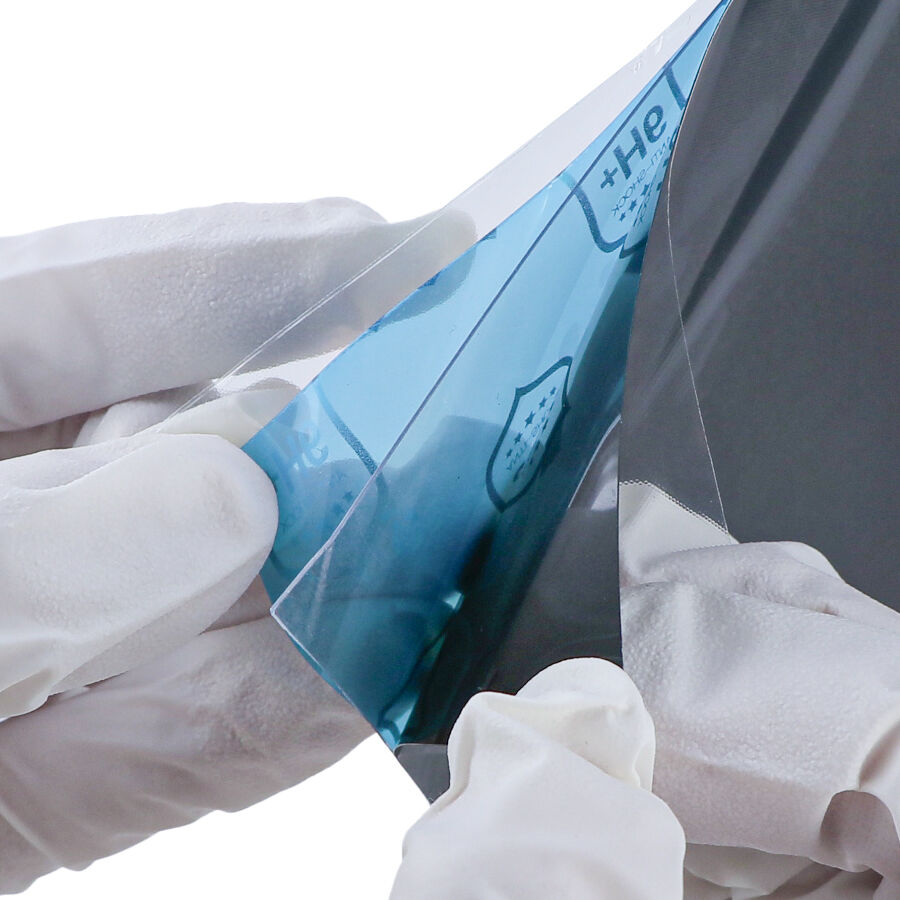
The safety-supporting performance of anti-rainproof film depends fundamentally on proper installation that achieves complete, void-free adhesion to the device surface. Any gaps, bubbles, or edge lifting create pathways for water infiltration that can trap moisture against the device screen, create localized distortions, or allow contamination accumulation in the interface space between film and device. Professional installation protocols for safety-critical applications therefore emphasize rigorous surface preparation including thorough cleaning with appropriate solvents, dust removal in controlled environments, and application techniques that progressively eliminate air pockets while establishing uniform adhesive contact across the entire protected area.
For outdoor devices deployed in harsh environments, edge sealing becomes particularly critical to preventing moisture wicking under the film perimeter. Some advanced anti-rainproof film systems incorporate edge-sealing adhesives or recommend secondary sealing treatments that create moisture barriers around film perimeters, preventing the gradual infiltration that can occur through capillary action in microscopic gaps. These installation details, though seemingly minor, directly affect the long-term safety performance of the protective system by preventing the adhesion failures that would compromise both visibility and moisture protection over time.
Compatibility with Device Touch and Sensor Systems
Safety-critical outdoor devices frequently incorporate not only touchscreens but also proximity sensors, ambient light detectors, and camera systems that must function through protective films without performance degradation. Selecting appropriate anti-rainproof film requires careful attention to optical transmission characteristics, dielectric properties that affect capacitive touch sensitivity, and surface treatments that won't interfere with sensor operations. Films designed specifically for outdoor electronic applications undergo testing to verify compatibility with common touchscreen controllers, ensuring that touch sensitivity, multi-touch gesture recognition, and palm rejection features continue operating normally after film application.
The safety implications of sensor compatibility extend beyond basic functionality to include the precision and reliability necessary for safety-critical operations. A film that slightly degrades touch sensitivity might cause operators to press harder or make repeated attempts to register inputs, introducing delays and frustration that increase error likelihood during time-sensitive operations. Similarly, films that interfere with ambient light sensors can cause inappropriate screen brightness adjustments that reduce visibility during critical moments. Proper film selection based on comprehensive compatibility testing ensures that all device safety features continue operating at design specifications after protection is applied.
Durability in Extreme Weather Conditions
Outdoor electronic devices in industrial, marine, and infrastructure applications encounter weather extremes that test the limits of protective materials. Anti-rainproof film must maintain its safety-supporting properties across temperature ranges from freezing conditions that make some materials brittle to extreme heat that can soften adhesives or degrade coatings. UV radiation exposure represents another critical durability factor, as prolonged sunlight can break down polymer chains in inferior films, causing yellowing, surface crazing, and loss of hydrophobic properties that compromise both optical quality and water-shedding performance.
Premium anti-rainproof film formulations address these durability challenges through UV-stabilized polymer matrices, thermally stable adhesive systems, and protective coatings designed to maintain performance across industrial temperature specifications. This weathering resistance directly supports safety by ensuring predictable protection throughout seasonal variations and multi-year deployment periods, eliminating the need for frequent replacement that would create windows of vulnerability when devices operate without adequate protection. For safety-critical applications, specifying films with documented weathering test results and accelerated aging performance data provides confidence that protection will persist throughout the device's intended service life.
Industry-Specific Safety Applications and Performance Requirements
Industrial Monitoring and Control Systems
Manufacturing facilities, chemical processing plants, and utility infrastructure rely on outdoor monitoring panels and control interfaces that must remain operational during all weather conditions to prevent safety incidents and production disruptions. These environments often combine precipitation exposure with airborne contaminants including oils, chemical vapors, and particulate matter that create complex challenges for maintaining interface visibility. Anti-rainproof film in these applications must not only shed water effectively but also resist chemical exposure and facilitate easy cleaning of accumulated industrial residues without degrading hydrophobic properties.
The safety stakes in industrial applications make film performance particularly critical, as interface malfunctions or visibility loss during process upsets, equipment failures, or emergency situations can lead to catastrophic outcomes including personnel injuries, environmental releases, or equipment damage. Industrial-grade anti-rainproof film specifications therefore typically include chemical resistance testing, cleanability verification, and performance validation under contamination conditions representative of specific industrial environments, ensuring that protection remains effective under realistic operating conditions rather than just clean laboratory settings.
Transportation and Navigation Systems
Maritime navigation displays, vehicle-mounted tablets, aviation ground support equipment, and railway control interfaces represent transportation applications where anti-rainproof film directly supports operational safety. In these contexts, momentary visibility loss or interface malfunction during critical navigation or control operations can result in collisions, groundings, or other transportation accidents with potentially severe consequences. The film must therefore provide absolutely reliable water shedding even during the heavy precipitation, sea spray, or wash-down operations common in transportation environments.
Transportation applications also demand anti-rainproof film that maintains performance under vibration, shock, and the mechanical stresses associated with vehicle motion. Films must resist edge lifting from vibration-induced fatigue, maintain adhesion despite temperature cycling during day-night and seasonal variations, and preserve optical clarity despite the increased risk of abrasion from airborne particles at vehicle speeds. These enhanced durability requirements ensure that safety protection persists throughout the demanding duty cycles typical of transportation equipment rather than failing prematurely under operational stresses.
Public Safety and Emergency Communication Infrastructure
Emergency call boxes, outdoor public information displays, building evacuation systems, and disaster notification equipment represent applications where anti-rainproof film directly supports public safety during the very conditions—severe weather events—when these systems become most critical. These devices must remain fully functional during storms, floods, and other weather emergencies when the public depends on them for safety information, emergency communication, and evacuation guidance. Film performance under extreme precipitation conditions including driving rain, flooding exposure, and prolonged moisture saturation therefore becomes a critical specification factor.
Public safety applications also introduce vandalism and abuse resistance as critical performance factors, since emergency communication equipment must continue functioning even after deliberate damage attempts or accidental impact. Anti-rainproof film for these applications often incorporates enhanced scratch resistance and impact protection layers that prevent both environmental damage and deliberate surface degradation from compromising the visibility and touch sensitivity necessary for emergency operation. This comprehensive protection approach ensures that safety infrastructure remains operational through both natural weather challenges and human-caused damage attempts.
Performance Validation and Long-Term Safety Assurance
Testing Protocols for Safety-Critical Applications
Validating anti-rainproof film performance for safety-critical outdoor electronic devices requires rigorous testing protocols that simulate realistic operating conditions rather than just measuring isolated properties. Comprehensive validation includes contact angle measurement over multiple wet-dry cycles to verify hydrophobic durability, optical transmission testing across relevant wavelength ranges to confirm visibility preservation, and accelerated weathering studies that predict long-term performance under UV exposure, temperature cycling, and humidity stress. These tests establish baseline performance expectations and identify potential degradation modes that could compromise safety over time.
For applications where safety consequences are severe, additional testing may include contamination resistance evaluation using representative industrial or environmental pollutants, abrasion resistance measurement through standardized scratch and wear testing, and adhesion strength verification under environmental stress including temperature extremes and moisture exposure. This comprehensive testing approach provides confidence that anti-rainproof film will continue supporting device safety throughout realistic deployment scenarios rather than failing unexpectedly under specific environmental combinations that weren't adequately considered during product development.
Installation Quality Assurance Procedures
Even superior anti-rainproof film will fail to provide expected safety benefits if installation quality is inadequate. Establishing quality assurance procedures for safety-critical applications includes environmental controls during installation such as temperature and humidity specifications that ensure proper adhesive curing, cleanliness standards that prevent contamination entrapment, and inspection protocols that verify complete adhesion without bubbles or edge gaps. Professional installation teams working on safety-critical devices should follow documented procedures that address surface preparation, application technique, edge treatment, and post-installation inspection to ensure consistent protection quality across multiple device installations.
Documentation of installation quality becomes particularly important for safety-critical applications, where traceability requirements may mandate recording of film lot numbers, installation dates, environmental conditions during application, and inspector verification signatures. This documentation supports lifecycle management of protected devices, enables investigation of any performance issues that arise, and provides evidence of proper installation practices for regulatory compliance or liability defense purposes. The administrative rigor surrounding installation quality assurance reflects the serious safety implications of protective film performance in critical applications.
Maintenance and Replacement Planning
While anti-rainproof film provides durable protection, it is ultimately a consumable component with finite service life that degrades gradually under environmental exposure and mechanical wear. Responsible deployment in safety-critical applications requires maintenance planning that includes periodic inspection for signs of degradation including reduced water-shedding performance, optical clarity loss, edge lifting, or surface damage. Establishing inspection intervals based on environmental severity, device criticality, and manufacturer recommendations ensures that film protection is renewed before degradation reaches levels that compromise safety.
Proactive replacement strategies based on documented service life rather than reactive replacement after failure provides superior safety assurance by preventing the period of compromised protection that occurs when degraded film continues in service beyond its effective lifetime. For devices in harsh environments or safety-critical roles, establishing replacement intervals at perhaps 70-80% of expected film lifetime provides safety margin against premature failure while optimizing lifecycle costs by avoiding excessive early replacement. This planned maintenance approach treats anti-rainproof film as an integral component of device safety systems rather than an afterthought applied only when problems emerge.
FAQ
What is the typical service life of anti-rainproof film on outdoor electronic devices?
The service life of anti-rainproof film depends significantly on environmental severity, UV exposure intensity, temperature extremes, and mechanical wear factors specific to each installation. Premium films designed for outdoor electronic applications typically maintain effective hydrophobic performance for 2-5 years under normal outdoor conditions with moderate UV exposure. However, in harsh environments with intense sunlight, extreme temperatures, or high contamination levels, effective service life may reduce to 1-2 years. Regular inspection allows for performance-based replacement decisions rather than relying solely on time-based schedules, ensuring protection remains adequate for safety-critical applications.
Can anti-rainproof film be applied to devices that already have factory screen protectors?
Applying anti-rainproof film over existing screen protectors is technically possible but introduces several complications that may compromise performance. The adhesive must bond to the existing protector surface rather than the original device screen, potentially reducing adhesion strength and creating additional interfaces where optical clarity can degrade. Furthermore, the combined thickness of multiple protective layers may affect touchscreen sensitivity and optical transmission. For safety-critical applications, removing factory protectors before applying specialized anti-rainproof film typically provides superior performance, though this decision should consider warranty implications and manufacturer recommendations specific to each device model.
How does anti-rainproof film performance compare to active systems like heated screens or mechanical wipers?
Anti-rainproof film provides passive protection that operates continuously without power consumption, mechanical complexity, or maintenance requirements associated with active systems. While heated screens effectively clear condensation and can melt ice, they consume significant power and may not adequately address liquid water shedding during active rainfall. Mechanical wipers provide aggressive water removal but introduce moving parts that require maintenance, can scratch screens over time, and may fail during critical moments. The optimal approach for many safety-critical outdoor devices combines anti-rainproof film as primary protection with active systems as secondary or emergency measures, leveraging the reliability of passive protection while maintaining active capabilities for extreme conditions.
Are there specific anti-rainproof film formulations optimized for different climatic conditions?
Advanced anti-rainproof film manufacturers do offer climate-optimized formulations addressing specific environmental challenges. Films for tropical environments emphasize resistance to high humidity, biological growth, and intense UV exposure, while formulations for cold climates prioritize low-temperature flexibility, ice-release properties, and thermal shock resistance. Marine-grade films incorporate enhanced salt resistance and corrosion prevention features. For safety-critical applications, selecting climate-appropriate film formulations ensures optimal performance under local conditions rather than accepting compromised protection from generic products. Consultation with film manufacturers regarding specific deployment environments allows specification of formulations best suited to local climatic challenges and safety requirements.
Table of Contents
- The Critical Safety Gap That Anti-Rainproof Film Addresses
- Physical Mechanisms Enabling Safety-Critical Performance
- Application Considerations for Maximum Safety Benefit
- Industry-Specific Safety Applications and Performance Requirements
- Performance Validation and Long-Term Safety Assurance
-
FAQ
- What is the typical service life of anti-rainproof film on outdoor electronic devices?
- Can anti-rainproof film be applied to devices that already have factory screen protectors?
- How does anti-rainproof film performance compare to active systems like heated screens or mechanical wipers?
- Are there specific anti-rainproof film formulations optimized for different climatic conditions?

