
 EN
EN
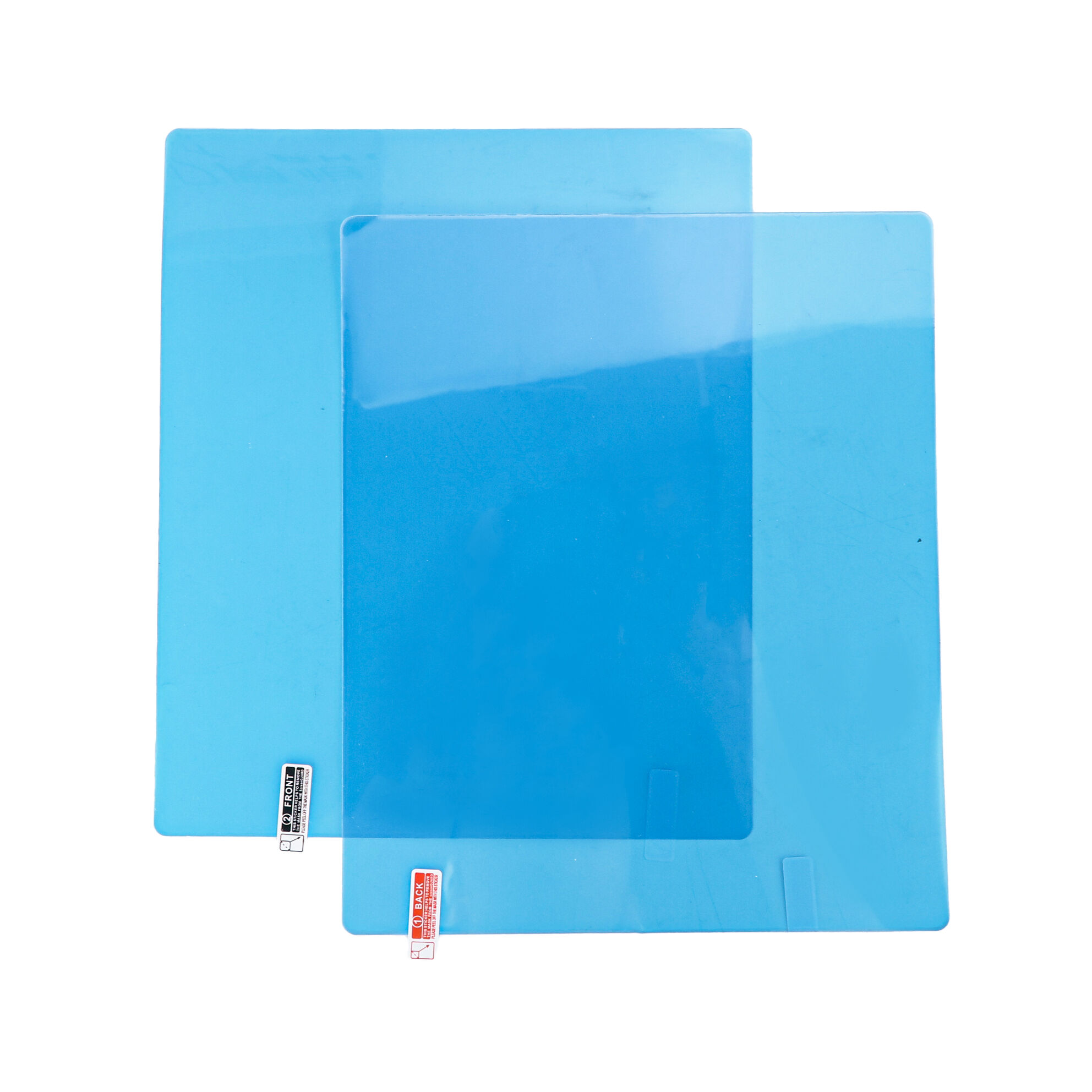
In high-humidity environments, fogged surfaces are more than a minor inconvenience — they create real safety risks, reduce operational efficiency, and accelerate surface deterioration. anti-fog film has become an increasingly relied-upon solution across bathrooms, vehicles, commercial spaces, and industrial facilities where moisture is a constant challenge. Understanding what makes anti-fog film genuinely valuable helps buyers and facility managers make smarter investment decisions.
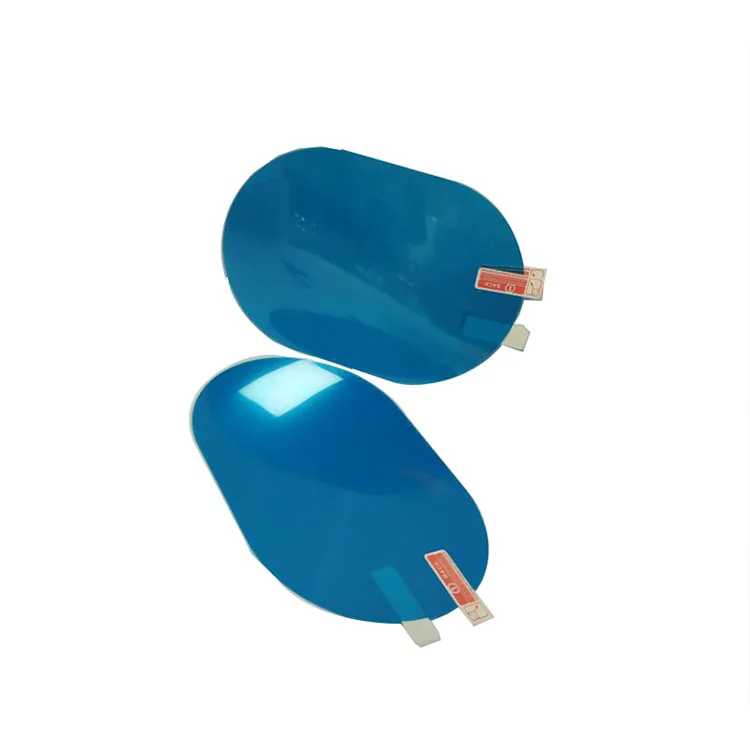
Anti-fog film works by creating a thin hydrophilic layer on glass or mirror surfaces. Instead of allowing water vapor to condense into droplets that scatter light and obscure vision, anti-fog film spreads moisture evenly across the surface as a transparent film. This fundamental mechanism drives nearly every advantage that anti-fog film delivers in demanding humid conditions, and it explains why anti-fog film is favored over traditional cleaning approaches or chemical spray treatments.
Visibility and Safety Advantages of Anti-Fog Film
Sustained Optical Clarity in Humid Conditions
The most immediate advantage of anti-fog film is the reliable visual clarity it maintains even when ambient humidity is high. In bathrooms, anti-fog film keeps mirrors usable immediately after hot showers, eliminating the need to wipe surfaces repeatedly. In vehicles, anti-fog film applied to rearview mirrors and rear windows ensures drivers retain full sight lines during rain or when humidity inside the cabin rises sharply. Anti-fog film prevents the micro-droplet condensation that causes that characteristic opaque haze, so the surface remains clear without any manual effort from the user.
This sustained clarity is not just about comfort — it is a genuine safety factor. A fogged rearview mirror in wet driving conditions can cause serious accidents. Anti-fog film eliminates that risk by keeping the reflective surface functional at all times. Commercial kitchens, cold storage facilities, and laboratories also rely on anti-fog film to maintain clear observation windows and mirrors where staff must monitor conditions continuously.
Consistent Performance Without Surface Treatments
Unlike spray-on anti-fog products that wear off after a few uses, anti-fog film provides persistent performance once applied. Anti-fog film bonds to the substrate surface and retains its hydrophilic properties through repeated exposure to moisture. Facilities operating in coastal zones, tropical climates, or high-moisture industrial settings benefit from anti-fog film because it does not require frequent reapplication. Anti-fog film essentially removes humidity-related visibility management from the daily maintenance checklist.
Surface Protection Benefits Anti-Fog Film Provides
Defense Against Moisture-Driven Surface Damage
Anti-fog film does more than manage condensation — it actively protects the underlying glass or mirror surface from prolonged moisture exposure. In high-humidity areas, water repeatedly settling on glass creates mineral deposit buildup, commonly called water stains or limescale. Anti-fog film forms a barrier that prevents direct water contact with the glass surface, reducing the accumulation of these deposits. Over time, anti-fog film helps preserve the optical quality and physical condition of mirrors and windows that would otherwise show permanent etching or clouding.
Bathroom mirrors installed without anti-fog film often develop edge blackening and surface pitting within a few years due to moisture seeping behind or across the glass. Anti-fog film provides an additional protective layer that significantly slows this degradation process. For commercial installations where mirror replacement is costly and disruptive, anti-fog film represents a practical long-term maintenance strategy.
Scratch and Abrasion Resistance as a Secondary Benefit
Many versions of anti-fog film incorporate a hard-coat layer that also resists minor surface scratches and abrasions. When users wipe down fogged surfaces, micro-scratches accumulate over time on unprotected glass. Anti-fog film reduces this risk because its surface layer handles routine wiping without showing damage as quickly as bare glass. This dual function — fog prevention plus surface protection — makes anti-fog film a more comprehensive solution than its name alone suggests.
Operational and Economic Value of Anti-Fog Film
Reducing Maintenance Labor and Material Costs
Facilities management teams in hotels, spas, fitness centers, and commercial buildings spend measurable labor hours managing fogged mirrors and windows. Anti-fog film reduces this burden substantially. When anti-fog film handles condensation automatically, cleaning staff can redirect their time to higher-priority tasks. The reduction in chemical cleaning sprays, microfiber cloths, and repeated wipe-down cycles also lowers consumable costs over time. Anti-fog film delivers a quiet operational efficiency that compounds in value the larger the facility and the more mirrors or glass surfaces it contains.
From a procurement perspective, anti-fog film is available in custom sizes and can be cut to fit mirrors, side windows, rear windows, and flat glass panels of almost any dimension. This flexibility means anti-fog film can be deployed across a wide range of assets without requiring custom glass orders or full surface replacements. Anti-fog film is therefore both a retrofit and a new-installation solution, giving facility operators maximum flexibility in how and when they apply it.
Long Service Life and Return on Investment
Anti-fog film, when applied correctly to clean and prepared glass surfaces, maintains its functional properties for an extended service period. Unlike heating elements embedded in mirror glass — which consume electricity continuously — anti-fog film requires no energy input after installation. Anti-fog film achieves its moisture-management effect passively, through material science rather than power consumption. This makes anti-fog film an environmentally and economically efficient choice for facilities seeking to reduce operational overheads in humid zones. The upfront cost of anti-fog film is typically recovered quickly through savings in cleaning labor, surface repair, and replacement costs.
FAQ
Can anti-fog film be applied to any type of mirror or glass surface?
Anti-fog film is compatible with most smooth glass and mirror surfaces, including bathroom mirrors, car side mirrors, rear windows, and flat panel windows. Proper surface cleaning and preparation before applying anti-fog film are essential to ensure good adhesion and long-lasting performance. Textured or frosted glass may not bond as effectively with anti-fog film, so flat surfaces are the ideal application environment.
How long does anti-fog film typically last in a high-humidity bathroom?
The lifespan of anti-fog film depends on application quality, surface preparation, and the intensity of daily moisture exposure. In a well-ventilated bathroom with regular but not extreme humidity, anti-fog film can maintain effective performance for several years. Anti-fog film applied professionally to properly cleaned surfaces consistently outlasts spray-based anti-fog treatments by a significant margin.
Is anti-fog film safe for use in food preparation or commercial kitchen environments?
Anti-fog film designed for commercial use is generally formulated to be safe for application on observation windows and mirrors in kitchen or food service environments. It does not release harmful substances under normal temperature and humidity conditions. Always verify that the specific anti-fog film product you select is rated for the temperature range and humidity levels present in your application environment before installation.

