
 EN
EN
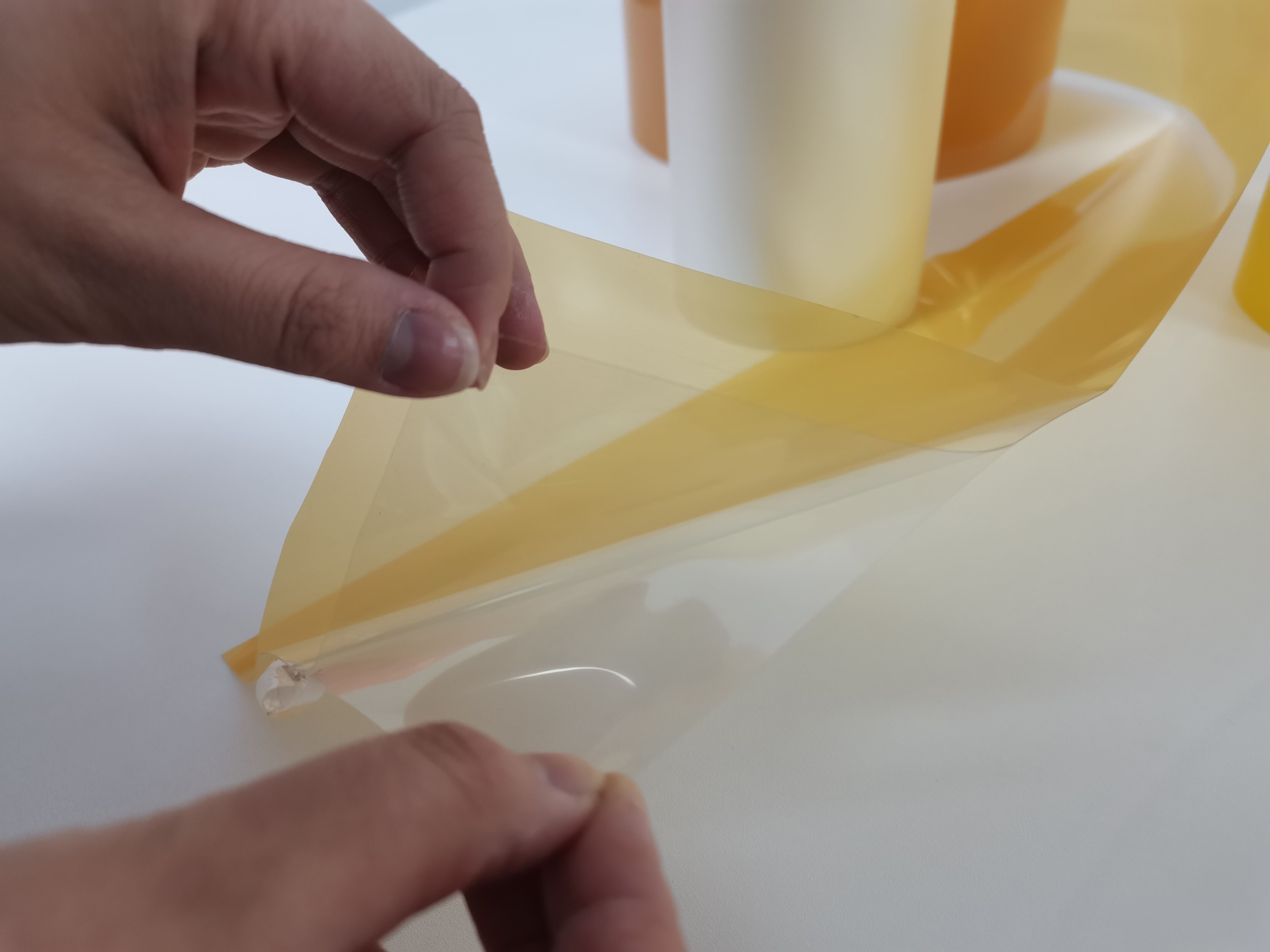
Digital artists and note-takers increasingly turn to handwriting film as an essential upgrade for their tablets and drawing devices. Unlike a standard glass screen, handwriting film introduces a textured surface that mimics the friction and feel of writing on real paper, transforming the digital drawing experience from a slippery, frustrating process into a natural and controlled one. For anyone serious about digital art, journaling, or sketching, understanding what makes handwriting film the right tool is the first step toward a better creative workflow.
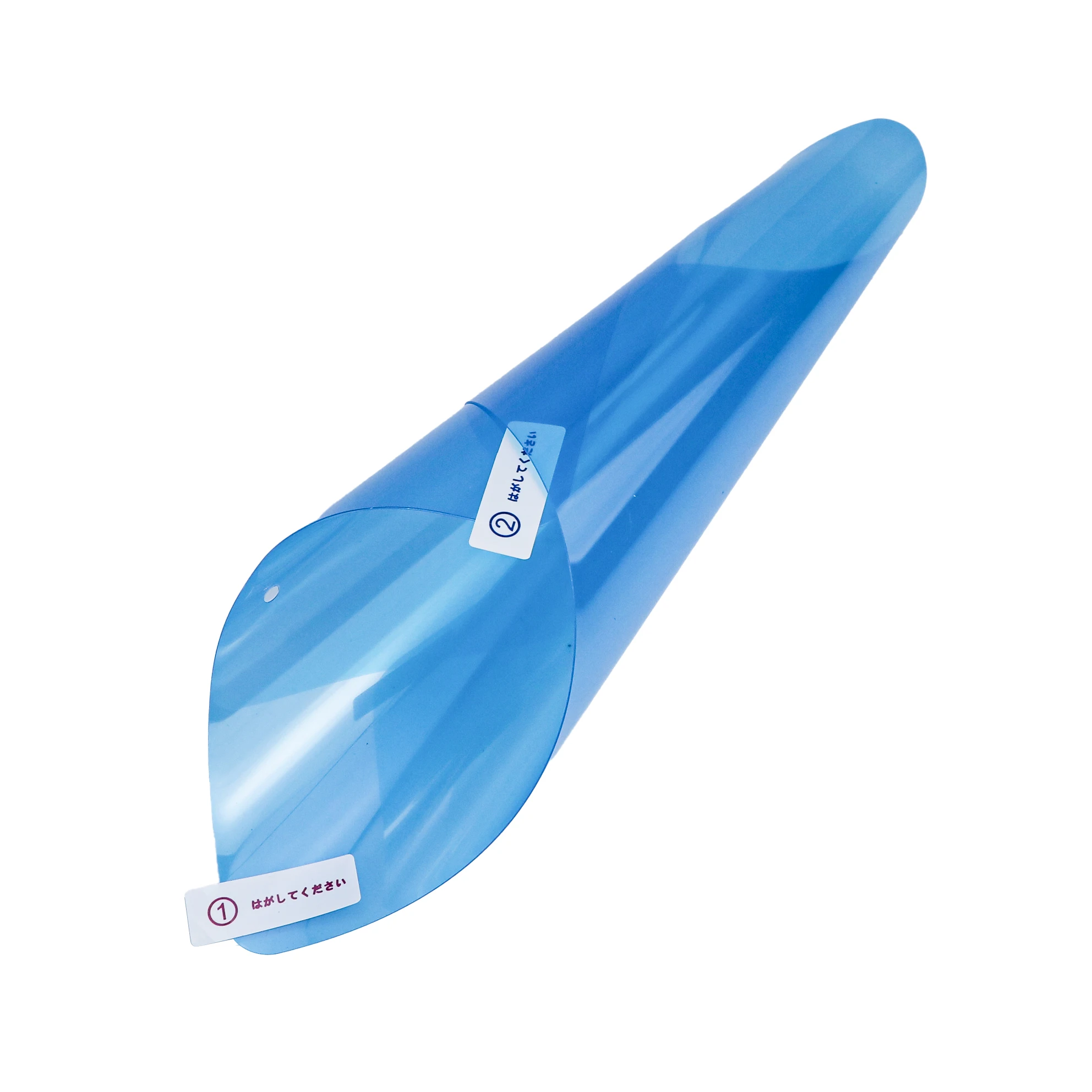
The qualities that define a great handwriting film go far beyond simple surface protection. A well-engineered handwriting film balances texture, anti-glare performance, stylus sensitivity, and durability in a way that feels immediately intuitive to the user. This article breaks down the core attributes that make handwriting film ideal for digital drawing, helping you understand exactly why this thin layer of material can have such a significant impact on your creative output.
The Role of Surface Texture in Handwriting Film
Why Texture Defines the Drawing Experience
The most immediately noticeable quality of any handwriting film is its surface texture. Standard tablet screens are perfectly smooth, offering almost no resistance to a stylus. This creates a gliding sensation that many artists find unnatural and difficult to control. A quality handwriting film uses a micro-textured surface to introduce just enough friction, replicating the tactile feedback you get when a pencil or pen moves across paper. This texture is precisely calibrated — too much resistance and the stylus drags, reducing speed and comfort; too little and the paper-like feel disappears entirely.
The texture in handwriting film also affects how strokes feel during extended drawing sessions. Artists who work for hours at a time report significantly less hand fatigue when using handwriting film compared to bare glass. The controlled resistance allows the wrist and fingers to maintain consistent pressure without overcompensating, which is a key benefit for detailed illustration work. In short, the texture built into handwriting film is not a cosmetic feature — it is functional engineering that directly improves the quality of digital drawing.
Micro-Texture and Stylus Tip Interaction
The interaction between the micro-texture of handwriting film and the stylus tip is a critical factor in drawing precision. High-quality handwriting film is designed so that the texture engages the stylus tip evenly across the entire surface, preventing uneven wear and maintaining consistent stroke behavior. This means that whether you are drawing in the center of the screen or near the edge, the handwriting film delivers the same tactile response. For digital artists who rely on edge-to-edge consistency, this uniformity is an important technical advantage that a bare screen cannot provide.
Anti-Glare Properties and Visual Clarity
How Handwriting Film Reduces Screen Glare
One of the most practical advantages of handwriting film is its anti-glare coating. Drawing on a highly reflective screen is visually tiring and disruptive, especially in brightly lit environments. Handwriting film applies a matte or semi-matte finish that diffuses ambient light, dramatically reducing the reflections that bounce off a standard glass screen. This anti-glare property is not simply a comfort feature — it also improves color accuracy perception by eliminating the competing light sources that distort how an artist sees their work.
For digital illustrators working near windows or under studio lighting, handwriting film with strong anti-glare performance means they can see fine details and subtle color gradations without squinting or repositioning constantly. The matte surface of handwriting film also softens the overall visual output slightly, giving the screen a look that is closer to viewing work on paper. Many artists find this visual quality more comfortable for long drawing sessions, which reduces eye strain and increases productivity. The anti-glare benefit alone makes handwriting film a worthwhile investment for any serious digital artist.
Balancing Clarity and Matte Finish
A common concern about handwriting film is whether the matte finish reduces screen clarity or affects color vibrancy. In practice, a premium handwriting film is engineered to minimize this trade-off. Modern handwriting film uses advanced optical coatings that reduce glare without significantly dulling the display. The result is a screen that retains excellent color depth and sharpness while eliminating distracting reflections. For most digital drawing applications, the visual clarity offered by a quality handwriting film is more than sufficient, and the reduction in eye fatigue far outweighs any minor softening of the display.
Sensitivity, Compatibility, and Long-Term Value
Touch Sensitivity Preserved by Handwriting Film
A frequent question about handwriting film is whether adding a textured layer interferes with touch sensitivity or stylus accuracy. High-sensitivity handwriting film is specifically engineered to allow full signal transmission between the stylus and the device's touch layer. This means that pressure sensitivity, tilt recognition, and palm rejection all continue to function at full capacity when handwriting film is properly applied. The film layer is thin enough to preserve the precision that professional-grade styluses are designed to deliver, making handwriting film compatible with advanced drawing workflows that depend on nuanced stylus input.
Handwriting film designed for devices like the iPad is tested to ensure zero interference with the stylus detection system. Artists who rely on variable pressure strokes to create line weight variation will find that handwriting film supports this technique without lag or signal loss. This level of technical compatibility is what separates a purpose-built handwriting film from a generic screen protector. Choosing handwriting film that is matched to your specific device model is important for maintaining full stylus performance.
Durability and Consistent Performance Over Time
Durability is another defining quality that makes handwriting film practical for daily use. Because handwriting film introduces deliberate friction, it does experience gradual wear from stylus contact over time. A well-manufactured handwriting film uses materials that are resistant to this wear, maintaining consistent texture and anti-glare performance across months of regular use. Some handwriting film products also feature replaceable designs, allowing users to swap out the film when the texture has worn down rather than replacing the device screen. This makes handwriting film a cost-effective and sustainable solution for long-term digital drawing practice.
FAQ
Does handwriting film affect the display brightness of a tablet?
Handwriting film with a matte anti-glare finish may slightly reduce perceived brightness due to its light-diffusing surface. However, high-quality handwriting film minimizes this effect through advanced optical engineering, and most users find the reduction in glare far outweighs any minor brightness change during drawing sessions.
Is handwriting film suitable for all types of stylus pens?
Most handwriting film products are compatible with capacitive and active stylus pens, including professional-grade options used for digital drawing. It is important to select handwriting film designed for your specific device to ensure full sensitivity and compatibility with your stylus model.
How long does handwriting film typically last with regular use?
The lifespan of handwriting film depends on usage intensity and stylus tip material. Under regular daily drawing use, a quality handwriting film typically maintains its texture and performance for several months. Many products are designed as replaceable films, allowing you to refresh the surface when wear becomes noticeable without any damage to the device screen.

